Only $3.7bn of health-climate funds spent on adaptation: AIIB
ISLAMABAD: Assessing all health-sector investments made by multilateral development banks between 2019 and 2023, a report by the Asian Infrastructure Investment Bank (AIIB) reveals that while major funders have invested $42.2 billion in health and climate initiatives over the past five years, only $3.7bn has been directed towards adaptation.
Immunisation against climate-sensitive diseases and the strengthening of health infrastructure have some of the highest climate-adaptation values among health sector investments. For every $100 invested in these activities, up to $36.50 goes towards addressing the additional disease burden caused by climate change.
The report, titled “Protecting Our Future: An Investment Framework for Quantifying the Climate Adaptation Benefits of Health and Immunisation Investments”, proposes a quantitative framework that enables key funders and national governments to identify health sector investments — such as strengthening healthcare infrastructure, early warning and health surveillance systems, improving vaccine delivery and cold-chain systems, and bolstering immunisation and disease-outbreak preparedness — that simultaneously advance both health and climate objectives.
Collectively, multilateral development banks (MDBs) have invested nearly $2bn between 2019 and 2023 in making health systems more resilient to the effects of climate change. Despite the urgent need to build health resilience among vulnerable populations facing escalating climate-driven threats, less than 0.5 per cent of global climate finance currently supports human health interventions, leaving a critical gap in adaptation strategies, notes the report.
Six countries examined
The report assessed all health-sector investments made by AIIB, the World Bank and Gavi between 2019 and 2023. It also examined six countries highly vulnerable to climate impacts — Pakistan, Bangladesh, Ethiopia, Malawi, Nigeria and the Philippines — and found that the share of funding for health programmes with climate adaptation objectives has increased in these countries in recent years.
In Pakistan, 74pc of the funding targeted mitigation
Regarding Pakistan, the report states that growing exposure to extreme climate events, such as floods, droughts and heatwaves, has contributed to an increase in climate finance. Estimates place the total amount of development finance targeting climate change from 2019 to 2021 at $5.4bn.
During this three-year period, the majority (74pc) of the funding targeted mitigation, while a quarter ($1.37bn) went to adaptation activities. Overall, Pakistan has limited climate-finance provision, as pressing priorities such as poverty eradication often outweigh long-term domestic investments. One earlier report noted that climate-related expenditures made up only 6pc of the federal development budget in 2014.
The most common climate-related health hazards in Pakistan stem from extreme heat, erratic rainfall patterns, landslides and droughts. Many of these extreme weather events have intensified and become more frequent in recent years.
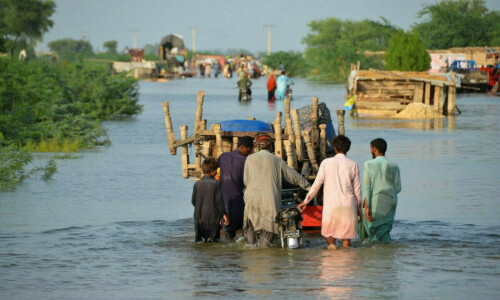
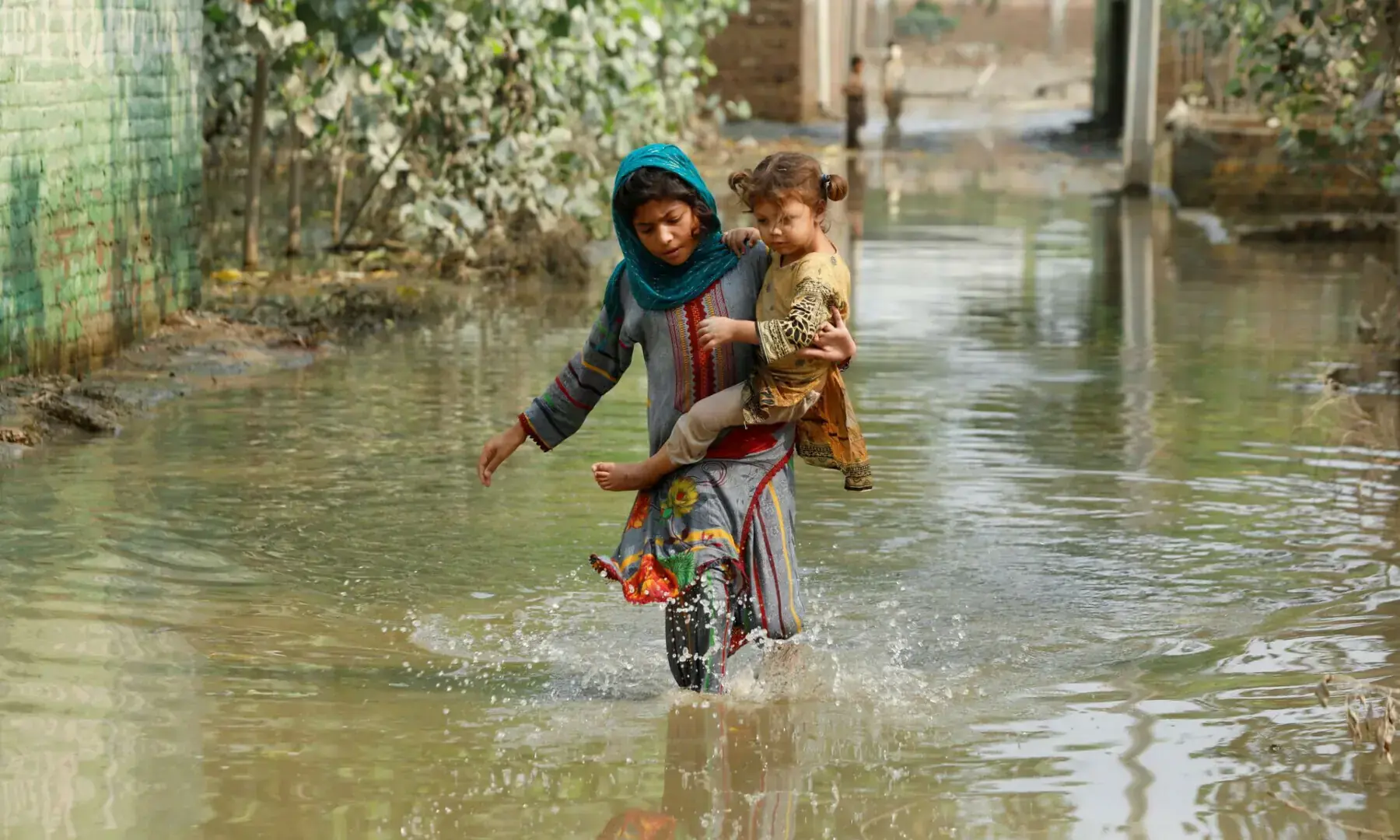
Flooding also poses major risks due to heavy rainfall and erratic monsoons. Communities along the Indus River are particularly susceptible to diseases like cholera and malaria because of their proximity to flooding events.
Published in Dawn, November 16th, 2025