Trade gap with Middle East narrows in first quarter


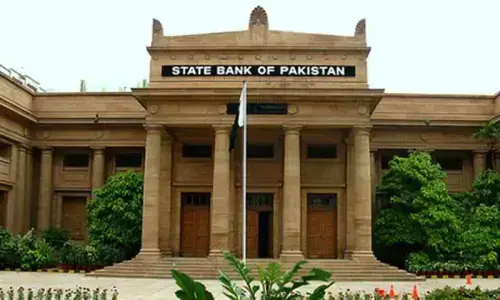
ISLAMABAD: Pakistan’s trade deficit with Middle Eastern countries contracted by 3.99 per cent in the first quarter of FY26, mainly due to a simultaneous decline in imports and exports, according to data released by the State Bank of Pakistan (SBP).
The trade gap with the region fell to $3.558bn during July-September FY26, from $3.706bn in the same period last year. In contrast, the deficit had widened 7.37pc to $13.974bn in FY25, compared to $13.014bn a year earlier.
Imports from the Middle East dropped 5.48pc to $4.274bn in the first quarter, from $4.522bn in the corresponding months of last year. The decline largely reflected lower oil imports, particularly from the United Arab Emirates (UAE), as Pakistan began sourcing crude from the United States under a new energy arrangement.
Exports to the region fell 12.19pc to $715.63m, compared to $815.04m a year earlier. In FY25, exports had slipped 1.52pc to $3.107bn, while imports rose 5.64pc to $17.081bn, widening the annual trade gap.
Oil purchases from GCC ease as Pakistan diversifies energy sources
Islamabad recently signed a free trade agreement (FTA) with the Gulf Cooperation Council (GCC), aimed at improving market access for Pakistani products and addressing the persistent imbalance in regional trade.
Country-wise performance
Exports to Saudi Arabia fell 8.94pc to $160.24m in July–September FY26, from $175.99m in the same period last year, while imports from the kingdom dropped 16.99pc to $884.01m, from $1.065bn.
Trade with the UAE showed mixed trends. Exports declined 12.95pc to $491.58m, from $564.72m, while imports rose 7.61pc to $2.163bn, from $2.010bn. Pakistan’s main exports to the UAE include rice, bovine meat, cotton garments, guavas and mangoes.
Exports to Bahrain fell to $12.79m from $14.63m, while imports surged to $76.02m from $19.09m. Exports to Qatar declined to $23.63m from $33.18m, while imports dropped 12.21pc to $781.34m, from $890.07m. Exports to Kuwait edged up to $27.39m from $26.52m, but imports decreased to $369.84m, from $538.03m.
Officials say that while the quarterly data indicate a modest improvement, the overall trade balance with the Middle East remains heavily influenced by petroleum imports. Further progress will depend on Pakistan’s ability to expand exports beyond traditional products and markets.
Published in Dawn, November 9th, 2025