Nepra warns circular debt to persist sans reforms


 0
0
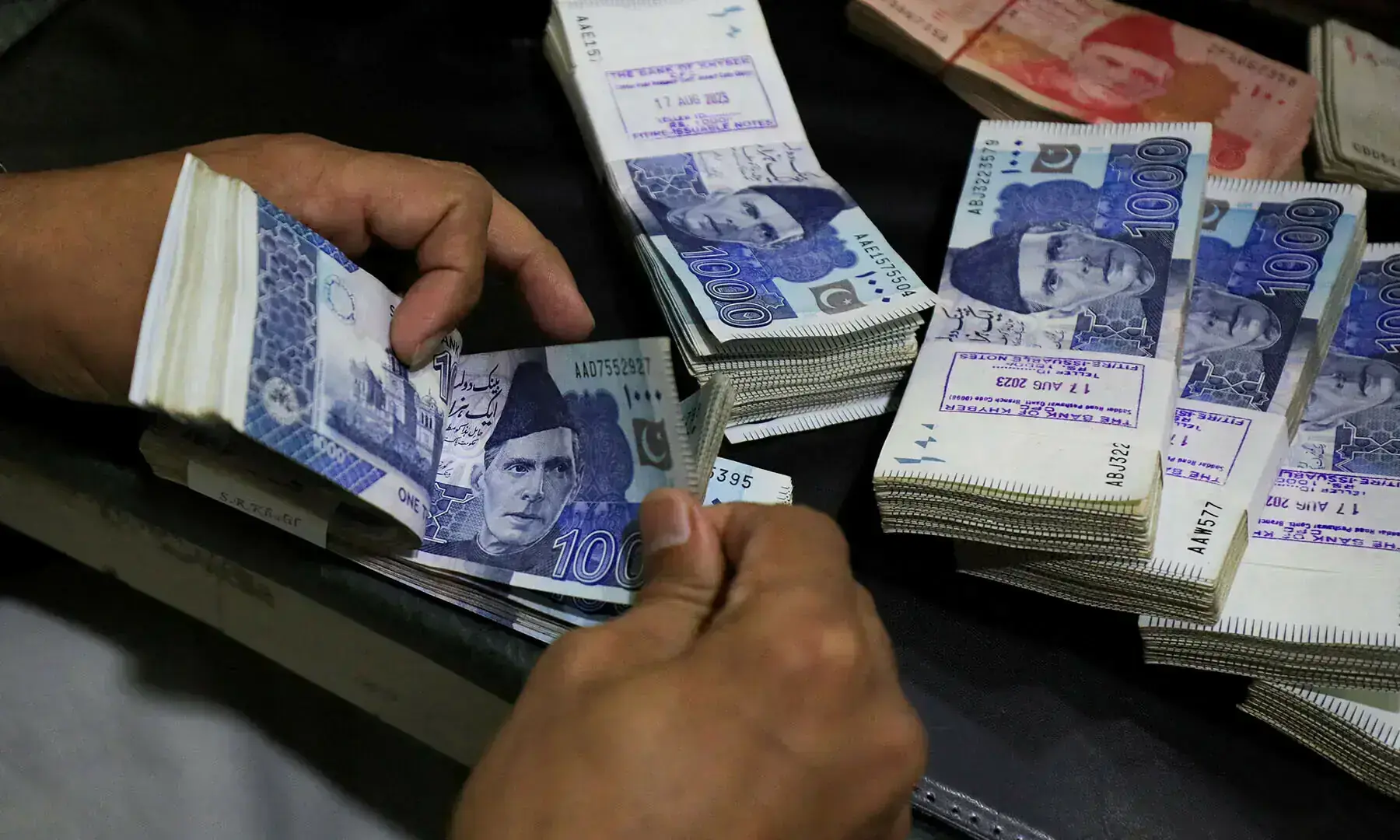

ISLAMABAD: The National Electric Power Regulatory Authority (Nepra) on Thursday warned that circular debt could not end without reducing system and improving recoveries as the government sought more than Rs2 per unit increase in power rates for three months and about Rs11per unit reduction for the industrial and agricultural sectors on incremental consumption for three years.
The regulator conducted a public hearing for additional recovery worth Rs8.4 billion from all consumers over the coming three months — December to February 2026 — under quarterly tariff adjustment (QRA) for the first quarter (July-September) that would result in a per unit additional charge of about 50 paise per unit.
Since a previous negative QTA of about Rs1.80 per unit is expiring this month, the consumers would be paying a Rs2.30 per unit net higher cost in the December-February period.
Separately, Nepra called a public hearing on Nov 11 on another government directive for slashing power rates on incremental consumption by Rs11 per unit to Rs22.98 per unit for industrial and agricultural users to revive consumption that has plummeted by 14pc and 47pc, respectively.
Both revisions, upon approval, would apply across the country, including all distribution companies (Discos) and K-Electric, under the government’s end-to-end national uniform tariff policy.
Power tariffs set to increase by Rs2.30 for users; govt pushes for Rs11 cut for incremental industrial, agricultural consumption
The public hearing was told that capacity charges had increased by Rs21.7bn in the first quarter of the current fiscal year, which was an alarming situation. However, the capacity charges were partly compensated by Rs13.3bn reduction in operation and maintenance costs, use of service charges and market operation fee and impact of technical losses in fuel costs, leaving a net additional financial burden of Rs8.4bn.
The hearing was also told that consumption in the July-September period increased by 1.5pc to 7pc in various Discos, while industrial consumption alone went up by 11 to 28pc, which was a good sign. All Pakistan Textile Mills Association (Aptma) suggested that, in view of encouraging consumption patterns, the government should not impose fixed charges on net-metering consumers as demanded by some power companies.
Some industrial representatives said the consumers would get a net benefit Rs2.40 per unit through the proposed incentive package from the government because it would come into force only after 25pc increase in consumption. They said the incentive package was unfeasible given ambitious targets to become eligible for a discount, while there was no improvement in system losses and recoveries.
Nepra’s Member Technical Rafique A. Shaikh said the circular debt would not end unless recoveries improved and losses reduced, as evident from first quarter results showing Rs87bn increase in circular debt due to losses and Rs84bn due to lower recoveries.
On the other hand, the Power Division, in its petition for an incentive package for incremental consumption, the electricity demand across major consumer categories witnessed a noticeable contraction, reflecting broader macroeconomic adjustments, structural changes in consumption patterns, and increased adoption of alternative supply options such as net metering (6,035MW).
“The decline has been (particularly pronounced in the industrial and agricultural sectors, where consumption has reduced by 14pc and 47pc respectively”, it said, adding the demand reduction was leading to a vicious cycle where under-utilisation of system assets further increased the tariff due to under recovery of fixed cost.
It said the targeted incentive package in the past had worked well in stimulating demand and enhancing asset utilisation. The Industrial Support Package of November 2020-2023 helped increase industrial consumption by 14pc while Bijli Sahulat Package of December 2024-February 2025 recorded industrial growth of 6.9pc, 2.7pc and 10.2pc over three consecutive months.
Published in Dawn, November 7th, 2025