China suspends some US tariffs, yet soybean buyers still face high tariffs


 0
0
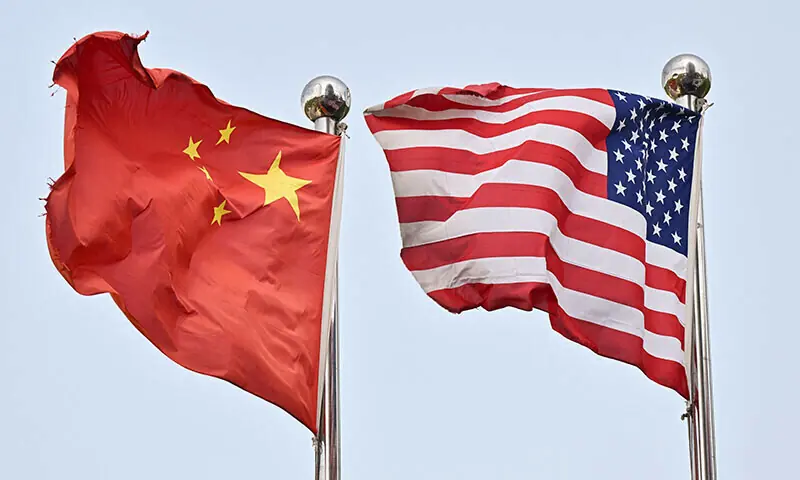

China will suspend for one year the 24 per cent additional tariffs it imposed on US goods in April, while maintaining the 10pc levies also introduced in response to US President Donald Trump’s ‘Liberation Day’ duties, its cabinet confirmed on Wednesday.
The State Council’s tariff commission also announced it would remove the duties of up to 15pc it imposed on certain US agricultural goods from November 10, referring to a release from March detailing the products the world’s top agricultural buyer would begin taxing on import.
But the cut still leaves Chinese buyers of soybeans facing tariffs of 13pc, including a preexisting 3pc base tariff. Traders say that makes US shipments still too expensive for commercial buyers compared to Brazilian alternatives.
Before Trump took office in 2017 and the first US-China trade war began, soybeans were by far the top US export to China, with the world’s biggest agricultural buyer purchasing $13.8 billion worth of the staple in 2016.
But China has largely held off on buying US crops this year, costing American farmers billions of dollars in lost exports. In 2024, China bought roughly 20pc of its soybeans from the United States, down from 41pc in 2016, customs data shows.
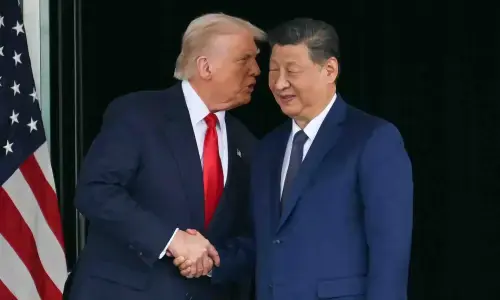
Investors on both sides of the Pacific breathed a sigh of relief last week when Trump met Chinese leader Xi Jinping in South Korea, easing fears that the world’s two largest economies might abandon talks aimed at resolving a tariff war that has disrupted global supply chains.
While Trump and the White House were quick to publish their take on the meeting, the Chinese side did not immediately move to provide a detailed summary of what it had agreed.
China’s state-owned COFCO bought three US soybean cargoes the day before the summit, an act analysts attributed to a goodwill gesture signalling Beijing’s desire to avoid a destabilising escalation in trade tensions.
Some market participants expressed doubt that the soybean trade would return to normal anytime soon.
“We don’t expect any demand from China to return to the US market with this change,” said one trader at an international trading company. “Brazil is cheaper than US and even non-Chinese buyers are taking Brazilian cargoes.