Four more die of dengue as death toll climbs to 20
KARACHI: The dengue fever situation is getting worse day by day as the health department declared on Tuesday the death of four more patients.
According to the latest data released by the department, 20 people have so far died of dengue fever in the province, four of them in the last 24 hours, while more than 1,200 patients tested positive for the mosquito-borne viral infection in a single day.
While the health department has confirmed 20 deaths, the actual number of fatalities is said to be much higher in Karachi and Hyderabad.
The official figures show that 13 deaths were reported in October in Sindh: four in Hyderabad, one in Tando Muhammad Khan, one in Korangi, three in Malir, two in Karachi East and two in Karachi West.
13 died in October, seven in November so far, health dept says
In November, seven patients have lost their lives to dengue fever: five in Hyderabad, one in Tando Allahyar and one in Keamari.
“Several of these patients had serious underlying medical complications, which contributed to their worsening condition,” Health Secretary Rehan Baloch clarified in a press statement.
All deaths were reviewed by hospital committees and, only after thorough assessment, was dengue fever confirmed as the cause of death, he added, requesting the public not to believe unverified information.
“A new viral mutation reported internationally might be contributing to the disease’s severity in some cases,” he pointed out, while stating that the dengue response cell was fully activated, field operations remained active, and hospital capacities were being expanded.
Health experts, however, believe that urgent vector-control measures and public awareness initiatives are required to control the situation.
Complications in cases, they say, occur due to self-medication and inadequate hydration. Some medications, including painkillers and antibiotics, can cause a low platelet count, which may lead to excessive bleeding.
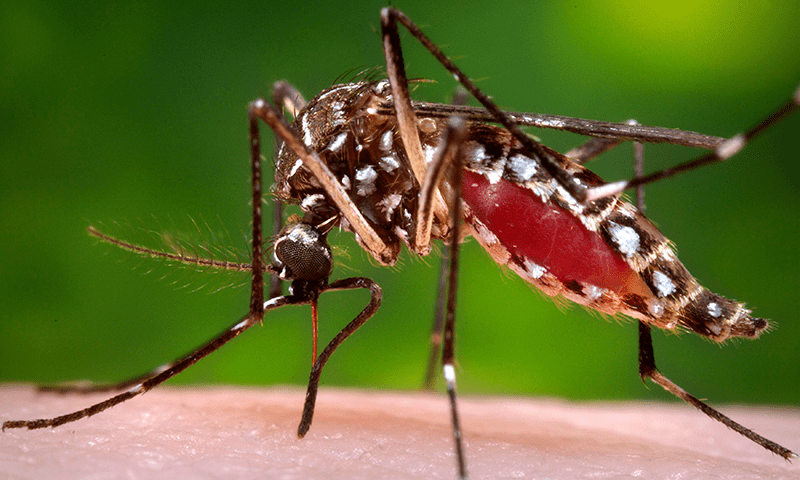
Dengue, a mosquito-borne viral infection transmitted by the Aedes aegypti mosquito, remains a recurring health concern in Sindh.
Health experts have attributed the surge in dengue cases to a lack of fumigation and the delayed drainage of water accumulated after the heavy monsoon rains.
Most people with dengue have mild or no symptoms and recover within one to two weeks. Symptoms may include high fever, severe headache, pain behind the eyes, muscle and joint pain, nausea, vomiting and rash.
Published in Dawn, November 5th, 2025