Azma Bokhari dismisses ‘propaganda’ about restriction on inter-provincial movement of wheat
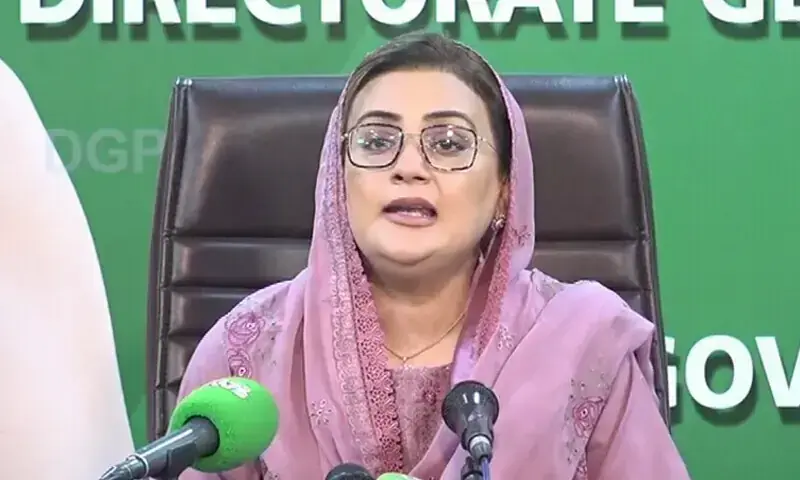


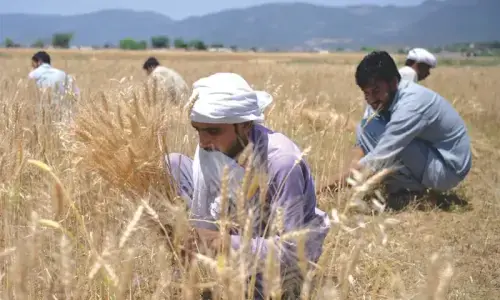
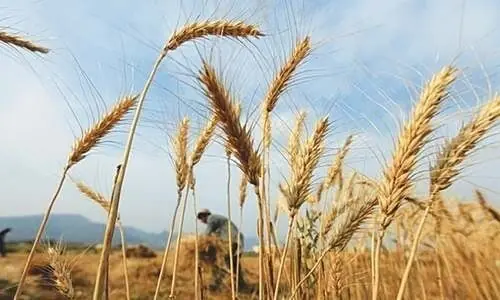
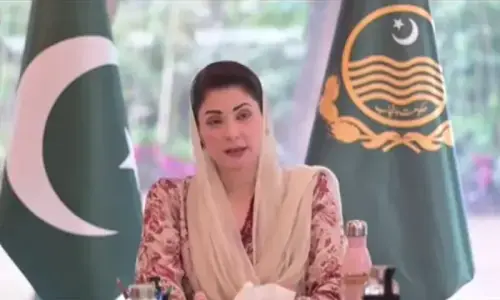
Punjab Information Minister Azma Bokhari maintained on Sunday that there was no ban on the inter-provincial movement of wheat, terming the “ongoing propaganda in this regard baseless and contrary to facts”.
Her statement, carried by state-run APP, comes after the Punjab government faced criticism by Khyber Pakhtunkhwa and Sindh governments for allegedly choking wheat flow to the two provinces.
In a letter dated October 23, the KP government asked Punjab to withdraw restrictions on the inter-provincial movement of wheat and flour, warning that the curbs were disrupting supply chains, increasing prices and threatening food security in the province.
Meanwhile, the PPP leadership in Sindh also lashed out at the Punjab government, accusing it of restricting the supply of wheat seed.
Rejecting these “claims”, Bokhari clarified that the inter-provincial transportation of flour was “continuing transparently through official permits, ensuring a clear and traceable record of all consignments being transported out of the province”, the statement carried by APP said.
Criticising the KP government, she said that “if the province’s flour demand has exceeded its production capacity, the provincial government should release its own stored wheat or procure it” from the Pakistan Agriculture Storage and Services Corporation (Passco).
“Punjab cannot compromise the right of its people to affordable flour for the sake of another [party’s] political theatrics,” she said.
The minister claimed that over 200 flour mills in KP were currently non-operational and said the province’s chief executive should “focus on reviving these mills instead of staging protests outside Adiala Jail” — an apparent jibe at KP CM Sohail Afridi, who had staged a sit-in outside the prison after he was not allowed to meet incarcerated PTI founder Imran Khan.
In May this year, the federal food minister had informed the National Assembly that the Passco was being abolished. The policy has since been reversed under a national wheat policy, but procurement modalities remain contested.
It was also said under the policy that there would be no restriction on the inter-provincial movement of wheat.
Reiterating in her statement that there was “no ban” on the inter-provincial movement of wheat or flour, she said under Article 18 of the Constitution and relevant laws, permits and digital monitoring had been made mandatory to prevent hoarding and profiteering.
The minister further said that the welfare of the people of Punjab remained her government’s top priority and “the availability and affordability of flour for every citizen have been fully ensured”.
“This pro-people style of governance is what some elements find hard to digest,” she claimed.
Bokhari added that the Punjab government was “utilising taxpayer’s money to provide subsidised wheat to ensure public relief and avert any potential crisis during the dry months”.
“Punjab currently possesses 0.885 million metric tons of wheat reserves, valued at around Rs100 billion. This reflects the farsighted and organised policies of [Punjab] Chief Minister Maryam Nawaz.”
Bokhari further stated that flour mills were being supplied wheat at Rs 3,000 per maund (40 kilogrammes) to “maintain steady availability and price stability in the market”.
Wheat restrictions
In the aftermath of floods, the Punjab government began tightening controls on the inter-provincial movement of wheat and flour through a permit regime to curb price hikes within the province — a move that has particularly been denounced by KP amid soaring prices and wheat shortage.
The restrictions have also drawn sharp criticism from politicians and flour millers who argue that it violates constitutional rights and a recent deregulation agreement.
While Punjab officials have denied a formal ban, they acknowledged establishing checkpoints to curb what they termed “unusual” wheat movement. Critics, however, argued that these measures are against the spirit of a deregulated market.
In the KP govt’s Oct 23 letter, the province’s food department had said that the inter-provincial wheat restrictions were “inconsistent” with Article 151(1) of the Constitution, which guarantees “freedom of inter-provincial trade and movement of goods across the country”.
“Khyber Pakhtunkhwa, being a wheat-deficient province, heavily relies on inter-provincial supplies from Punjab to meet its daily wheat requirement of approximately 14,500 metric tonnes,” the letter read.
“The prevailing restrictions have severely disrupted the flow of wheat and flour into the province, thereby threatening food availability and destabilising market prices,“ it added.