

Pakistan-Afghanistan border closures push up prices of essentials such as tomatoes


Border closures between Pakistan and Afghanistan have pushed up prices of essential goods in both nations, with tomatoes now costing five times more in Pakistan since fighting broke out between the two neighbours this month.
Border crossings between the two countries have remained closed since October 11, following ground fighting and Pakistani airstrikes across their 2,600-km frontier that killed dozens on both sides in the worst fighting since the Taliban’s 2021 takeover of Kabul.
All trade and transit have been blocked since the fighting erupted, Khan Jan Alokozay, the head of the Pak-Afghan Chamber of Commerce in Kabul, told Reuters on Thursday.
“With each passing day, both sides are losing around $1 million,” he said. Fresh fruit, vegetables, minerals, medicine, wheat, rice, sugar, meat and dairy products make up most of the $2.3 billion annual trade volume between the two countries.
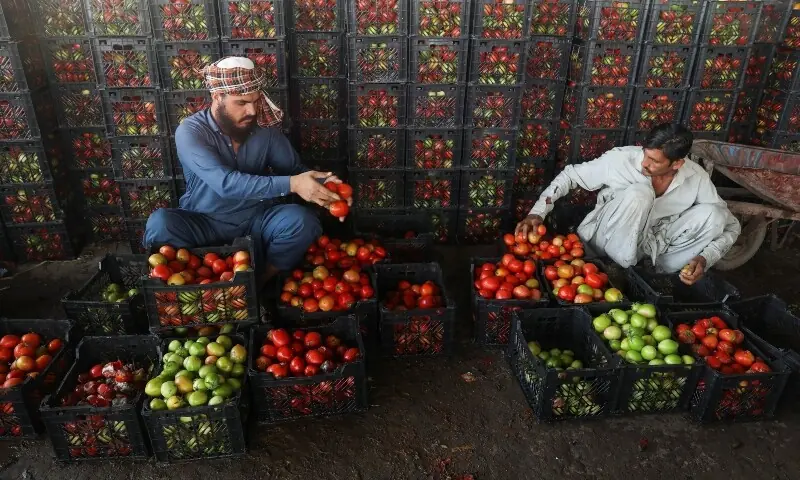
The prices of tomatoes, used extensively in cooking, have jumped by over 400 per cent to around Rs600 per kg. Apples, which mostly come from Afghanistan, are also seeing a price surge.
“We have around 500 containers of vegetables for export daily, all of which have spoiled,” said Alokozay.
Around 5,000 containers of goods are stranded on both sides of the border, said a Pakistani official at the main Torkham border crossing in northwest Pakistan.
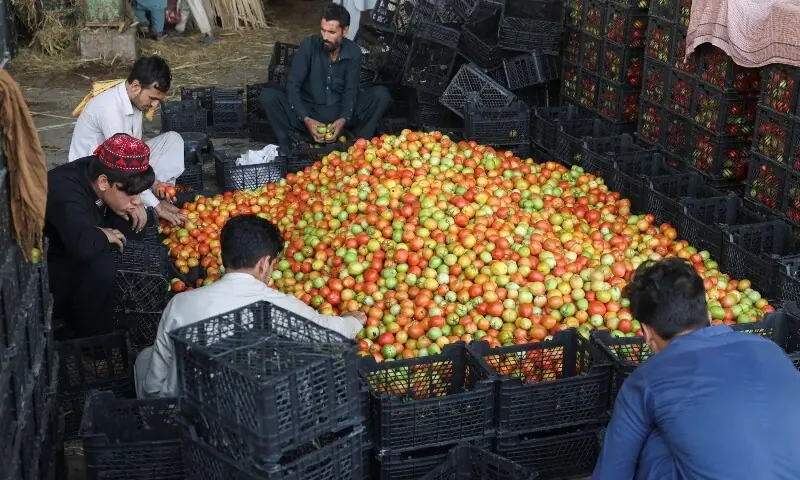
He said there was already a shortage of tomatoes, apples and grapes in the market. Pakistan’s commerce ministry did not respond to a request for a comment.
The border clashes were triggered after Islamabad demanded that Kabul control militants who attack Pakistan across their shared border, saying they operated from havens in Afghanistan. The Taliban has denied the charge.
A ceasefire was agreed in talks hosted by Qatar and Turkey last weekend and is holding between the two sides, but the border trade remains closed. The next round of negotiations is scheduled for October 25 in Istanbul.




























