Chikungunya outbreak declared in Peshawar’s dengue hotspots
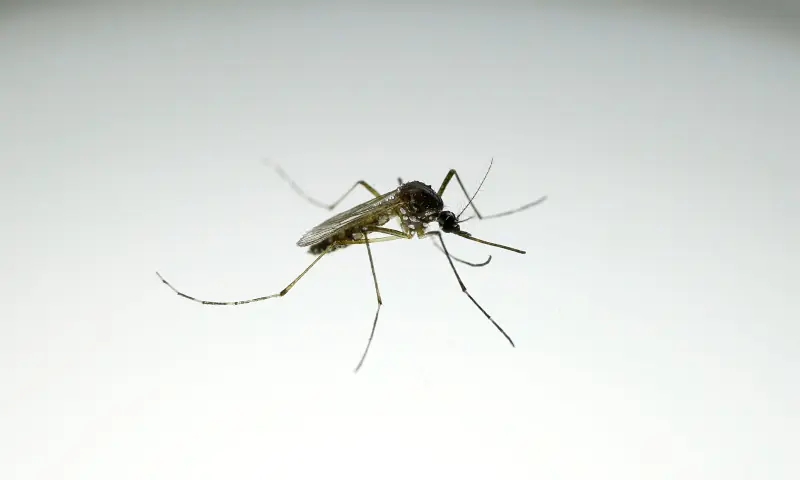

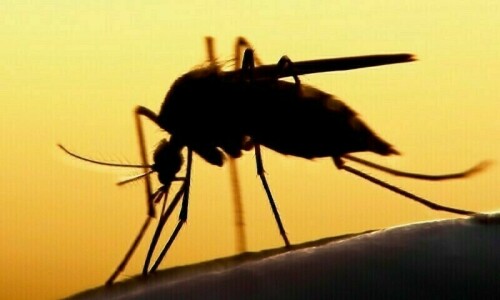
PESHAWAR: The Khyber Pakhtunkhwa health department on Saturday declared a Chikungunya outbreak in Peshawar after the detection of 16 cases of the viral fever caused by mosquito bites.
The cases have been reported in the areas with high dengue incidence, according to a statement from the department.
It said Sufaid Dheri area in Peshawar had been declared a “Chikungunya outbreak zone” after tests confirmed 16 cases.
The department also said effective measures to contain the outbreak were being taken.
Health secretary Shahidullah Khan said a surge in Chikungunya incidence came to light earlier this week when residents complained about symptoms of the viral fever, raising concerns about an outbreak.
Health secretary says effective steps being taken to prevent spread of viral fever
He said a field team from the department collected samples from 21 individuals and sent them to the Public Health Reference Laboratory for analysis.
“Sixteen of those samples tested positive for Chikungunya, confirming the presence of the virus in the community,” he said in the statement.
He said the Directorate General (Health Services) later issued an advisory, asking the district health officer to initiate immediate response actions, while a control room had been established at the DHO office to monitor the situation and coordinate field operations.
“Epidemiological investigations have begun to trace the outbreak’s source and virus transmission patterns,” he said.
According to the health department’s disease surveillance unit, vector control activities, including fogging and larviciding, are under way to curb mosquito breeding sites in the affected area. Also, public awareness efforts have also been launched, with social mobilisation teams engaging residents on preventive measures and early symptom recognition.
The secretary said the health department had instructed its facilities in the area to ensure the availability of diagnostic kits and essential medicines.
“Daily situation reports are being submitted to the department to track the outbreak’s progression and guide further interventions. Residents have been urged to avoid unnecessary movement and adopt mosquito prevention strategies, including the use of repellents and maintaining clean surroundings,” he said.
The secretary also said efforts were being made to contain the disease within the union council, while contact tracing and close monitoring of suspected cases were under way.
He said authorities had assured that all necessary resources were being utilised to control and prevent Chikungunya.
The doctors said Chikungunya was a community-based infection and not a fatal one like dengue and was usually self-limited as it resolved without treatment in 7-10 days.
They said the patients reported temperature along with joint pain.
Meanwhile, Charsadda has become the first district in the province after Peshawar to record more than 1,000 dengue cases in the year. The dengue cases from across the province in the year reached 3,202 in the day.
Of them, Charsadda, which borders Peshawar, recorded 1,006 cases, which is 31.42 per cent of the total count. The health department reported 301 cases in Haripur, 299 in Mansehra, 294 in Peshawar, 238 in Mardan, 132 in Swabi, 125 in Kohat and 112 in Abbottabad.
It said the province had 238 “active” dengue cases, including 99 who tested positive for the infection on Saturday.
Of the new cases,12 dengue patients were hospitalised in the province, taking the number of such cases to 56.
The department said the mosquito-borne disease had so far sent 1,355 people to hospitals.
Health officials said there was no specific treatment for the disease and the cases mainly relied on the management of symptoms.
Published in Dawn, October 12th, 2025