A few days ago, I was at a family dinner where I couldn’t help noticing the necklace my cousin was wearing, a simple pearl necklace. It looked so elegant and different from all the other jewelleries worn by the people around us. So I asked her if it was a real pearl necklace or an imitation one.
To my surprise, she told me it was made from real pearls, and therefore, it had this unusual glow and beauty to it. That two-minute talk about real and fake pearls aroused a curiosity inside me to know what it is about pearls that makes them so special.
So the next day, all I did was to read about their origins, the long and difficult process of how they are cultivated or naturally formed, and how they eventually make their way into our lives in different shapes. And believe it or not, kids, now I not only appreciate them more, but also respect the fact that they are something really unusual — unusual in a way that a living thing produces them, unlike other gemstones, which are minerals and found deep inside the earth, born out of heat and pressure. Pearls take a completely different route. They are the only gem made by a living creature, hidden inside the soft folds of oysters and mussels.
The interesting story
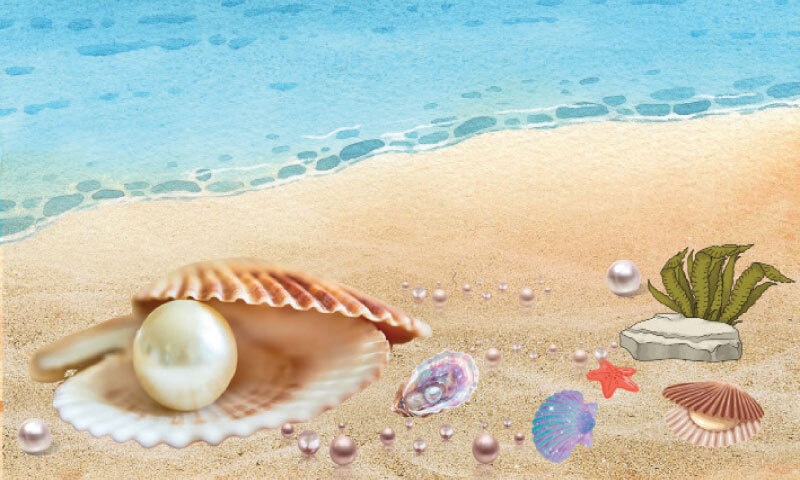
It’s pretty interesting that deep in the ocean, a tiny irritant, sometimes a grain of sand, a parasite or some other intruder, finds its way into the soft tissue of an oyster or mussel. To defend itself, the creature secretes calcium carbonate and nacre, a smooth, shiny substance also called “mother-of-pearl.” Layer after layer, year after year, the oyster coats the irritant until it is no longer a threat. The result is what we see as a pearl.
The shape and the size of a pearl are actually pretty random. Some pearls come out round and perfect; others look like teardrops or just weird shapes. Their size also depends on how long they are inside. The longer the pearl stays inside the oyster, the bigger it grows and the oyster just keeps adding layers around it. And whether it’s shiny or not? That depends upon the layers going over it nicely and evenly.
This whole process takes around six months for small pearls to several years for larger, high-quality gems. That’s why every pearl looks different. The really perfect, round, shiny ones are super rare, so they cost way more. Natural pearls are really hard to find. What you see in stores isn’t natural. They’re called cultured pearls and they are made by putting a tiny bead inside the oyster, plus a little piece of tissue. Then the oyster starts its defence mechanism — it covers it up with layers until it becomes a pearl. It’s like tricking the oyster into making pearls for us!
The rarity of true pearls
Cultured pearls are basically those grown with human help. Instead of leaving it all to nature, farmers gently place a tiny bead or bit of tissue inside the oyster to start the process and then let nature do the rest.
The idea of cultured pearls was first made real in Japan in the early 1900s by Kokichi Mikimoto, a man who spent his life chasing the dream of making pearls accessible to the masses. In 1893, after years of trying, he finally succeeded in creating the world’s first cultured pearl.
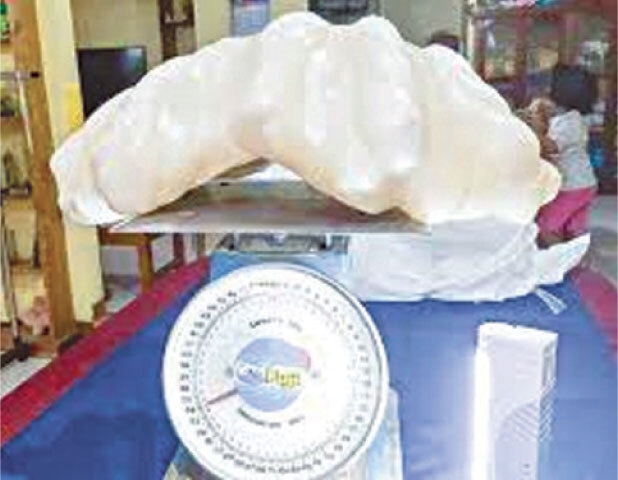
Symbolism
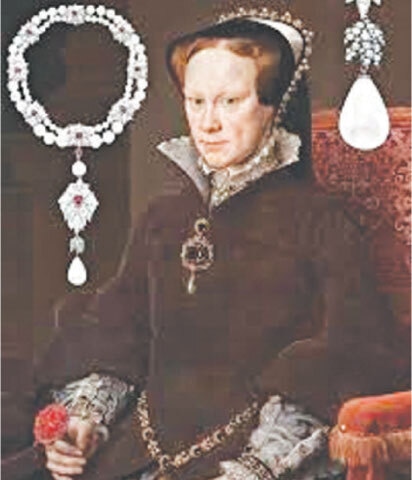
Pearls have carried more meaning than most gemstones since ancient times. In Europe pearls signified purity, which is why brides still choose them on their wedding day. While in Rome, they represented wealth and power; therefore, only the ruling classes were allowed to wear pearls. As for China, pearls symbolised wisdom and were thought to protect against fire. And across literature and poetry, you can find pearls have stood for tears, the moon and the idea of something rare and precious.
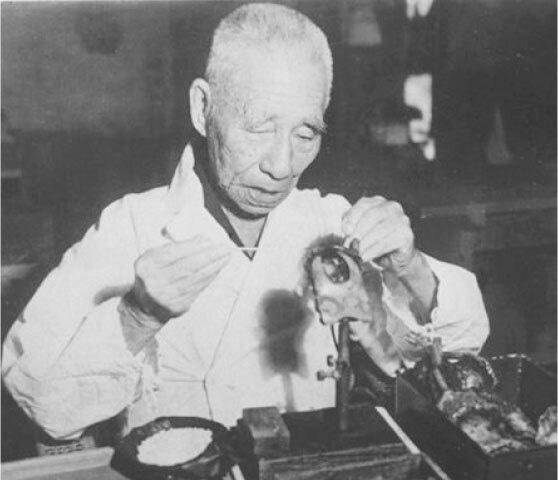
Rarest pearls around the world
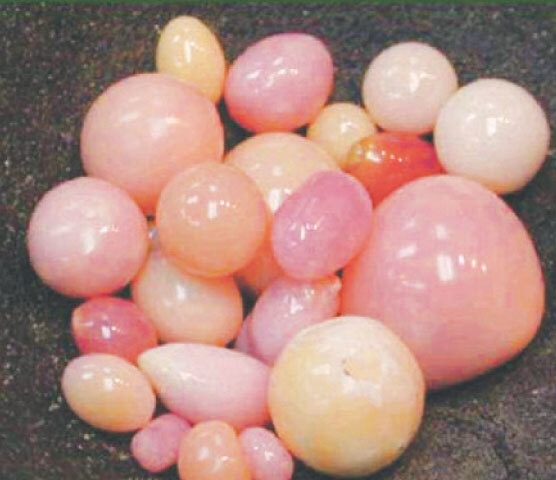
Conch pearls
A conch is a large, marine, spiral-shelled sea snail that is native to the Caribbean. You may have seen people blowing a sound from it in movies. Interestingly, conches also make pearls, but they are formed inside the queen conch.
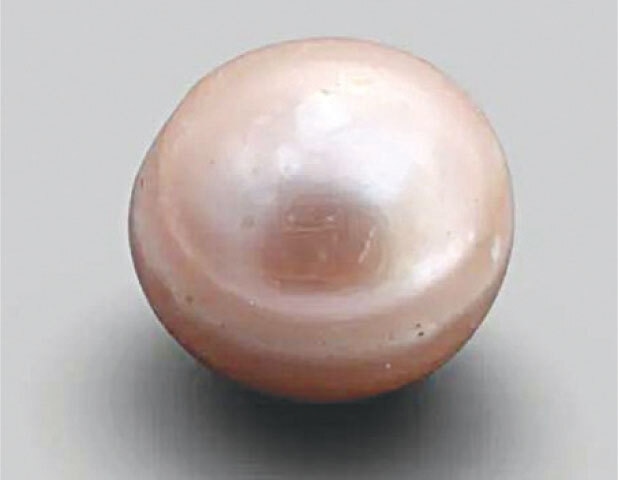
Conch pearls can’t be cultured or farmed; therefore, they are rare and precious. Experts say maybe only one in every 10,000 conchs has a pearl inside. Which means each conch pearl is completely natural and one of a kind. What makes them really special is their colour, as they come in soft pinks, peaches, sometimes even a bright coral shade and many of them have a flame-like pattern across their surface.
Melo pearls
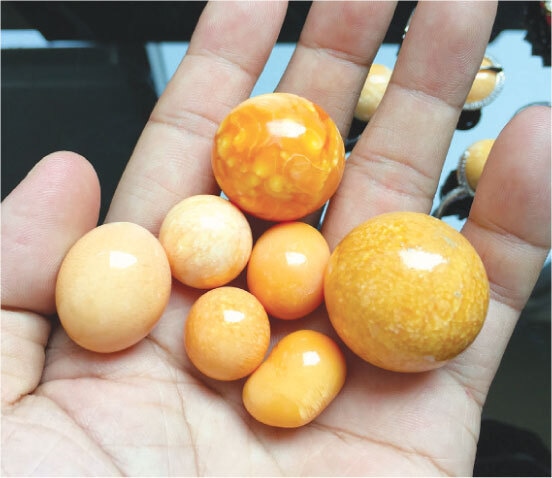
Melo pearls can’t even be farmed like regular pearls. They just happen naturally, which makes them hard to find. They come in a gorgeous orange colour and sometimes they look like a bright pumpkin. The surface feels smooth and silky.
They get their name from where they come from, the big sea snails called Melo Melo that live around Southeast Asia.
Abalone pearls
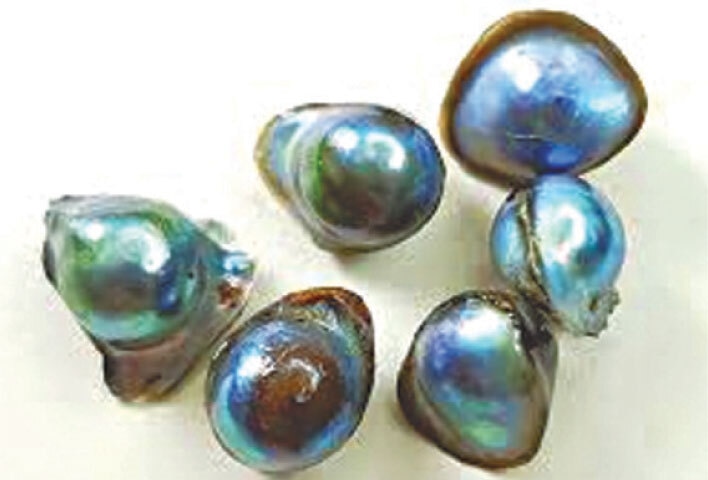
Now these are something else. Abalone pearls look like someone painted a rainbow inside them. You’ll see blues, greens, purples and pinks all swirling together in one pearl. They form inside abalone sea snails that you find near New Zealand and California.
Abalones are caught to eat them, not for pearls. So finding these colourful pearls is just pure luck. And this is why their pearls are also rare and special.
Black pearls
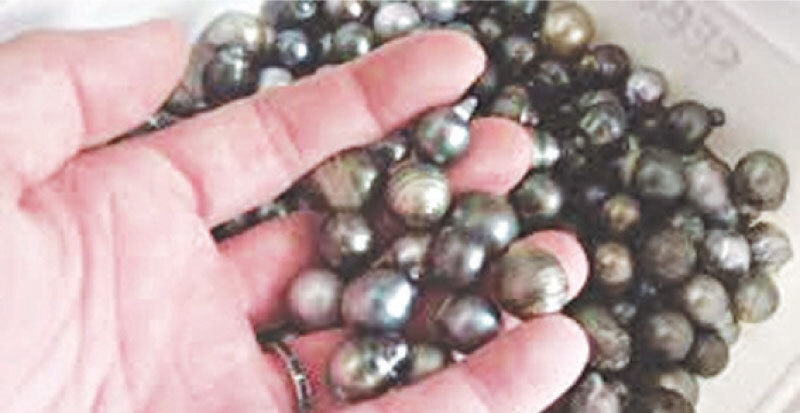
Black pearls are also called Tahitian pearls. They come from black-lipped oysters in French Polynesia. They are not pure black; they have shades of grey, silver, deep green or peacock colours with hints of purple and blue.
Golden pearls
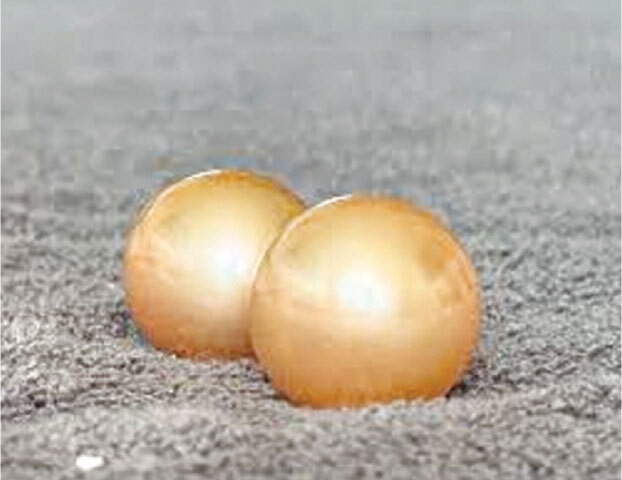
These pearls are among the most prized ‘cultured pearls’ today; they come from the golden-lipped oyster in the Philippines and parts of Indonesia.
Pearl farms
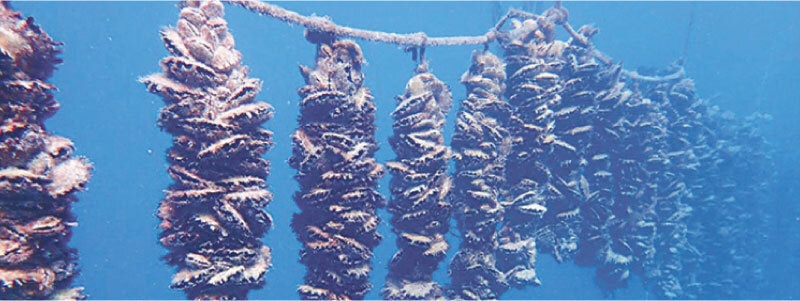
Pearl farming began in the early 1900s in Japan, thanks to Kokichi Mikimoto. His idea changed the jewellery world forever. Now pearl farms stretch across Japan, China, Australia, French Polynesia and the Arabian Gulf. The process is a little like underwater gardening. Farmers clean the shells, protect the oysters from predators, and carefully watch over them for years before the pearls are ready to be harvested.
A pearl is more than a gemstone
Pearls are really something special, aren’t they? Think about it — they’re basically born from trouble. When something gets stuck in an oyster and bothers it, the oyster doesn’t just give up. It covers that annoying thing with layers and layers until it becomes something beautiful.
Doesn’t it remind you of life? When we go through tough times, we don’t stay the same. We grow from it. We get stronger. Just like how an oyster turns something irritating into a pearl.
It makes you think that maybe the best things don’t come from having everything perfect. Maybe they come from sticking with something, even when it’s hard. Taking your time. Not giving up.
Published in Dawn, Young World, October 11th, 2025