0
0

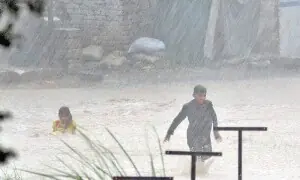
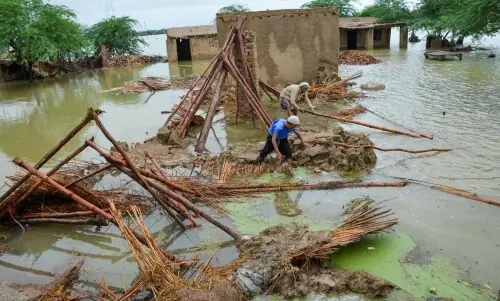
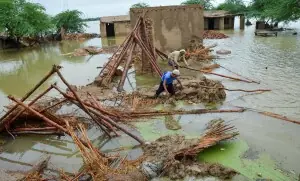
HYDERABAD: The Sindh Abadgar Board (SAB) in its meeting here on Sunday expressed concerns over agricultural losses in Punjab and expressed solidarity with its farmers, demanding immediate rehabilitation measures be taken by the government.
These measures should be planned and implemented by taking farmers in confidence, noted the meeting chaired by SAB president Mahmood Nawaz Shah. It also discussed current alarming situation of paddy, which is the largest crop of Kharif and one of the largest export commodity.
It said that harvesting of paddy had just started and its prices continued to decline. In the last three years, it observed, paddy prices had reduced from Rs3,500 per 40kg to Rs2,200 per 40kg so far.
On the other hand, cost of production continued to increase and on top of that, there was no control from the government to ensure transparency and fairness in paddy purchases from growers. The buyers of paddy continued to deduct payments on flimsy basis of moisture and quality without having proper moisture metres or quality parametres.
The meeting reminded that rural economy had been suffering for the last two years. The impact of climate change was a challenge, and mitigating the risks would always be complicated, but policy decisions of the government in the last one and a half years had hurt agricultural economy the most, it added.
It said the current measure of the Sindh government to counter those losses by providing DAP and urea, was laudable but it was not an answer to more pressing challenges being faced by the agricultural economy today.
The SAB said the government needed to create a business environment where commodity prices rose commensurate with the rise in input prices and climate-related losses. It said the government rather had taken opposite measures. They neither had fixed prices nor allowed markets to open up.
The meeting said that it was already too late. If the government was to deregulate, then prices of commodities should not be controlled, and export of agricultural commodities should be allowed without hindrances, it said.
The meeting was attended by Dr Zulfiqar Yousfani, Syed Nadeem Shah, Dr Bashir Nizamani, Irfan Jatoi, Imran Bozdar, Malook Nizamani, Mohammed Aslam Mari, Taha Memon, Yar Mohammad Leghari, Arbab Ahsan, Abdul Jalil Nizamani, Murad Ali Shah and others.
Published in Dawn, October 6th, 2025