Africans dumped in Togo after deportation by US to Ghana
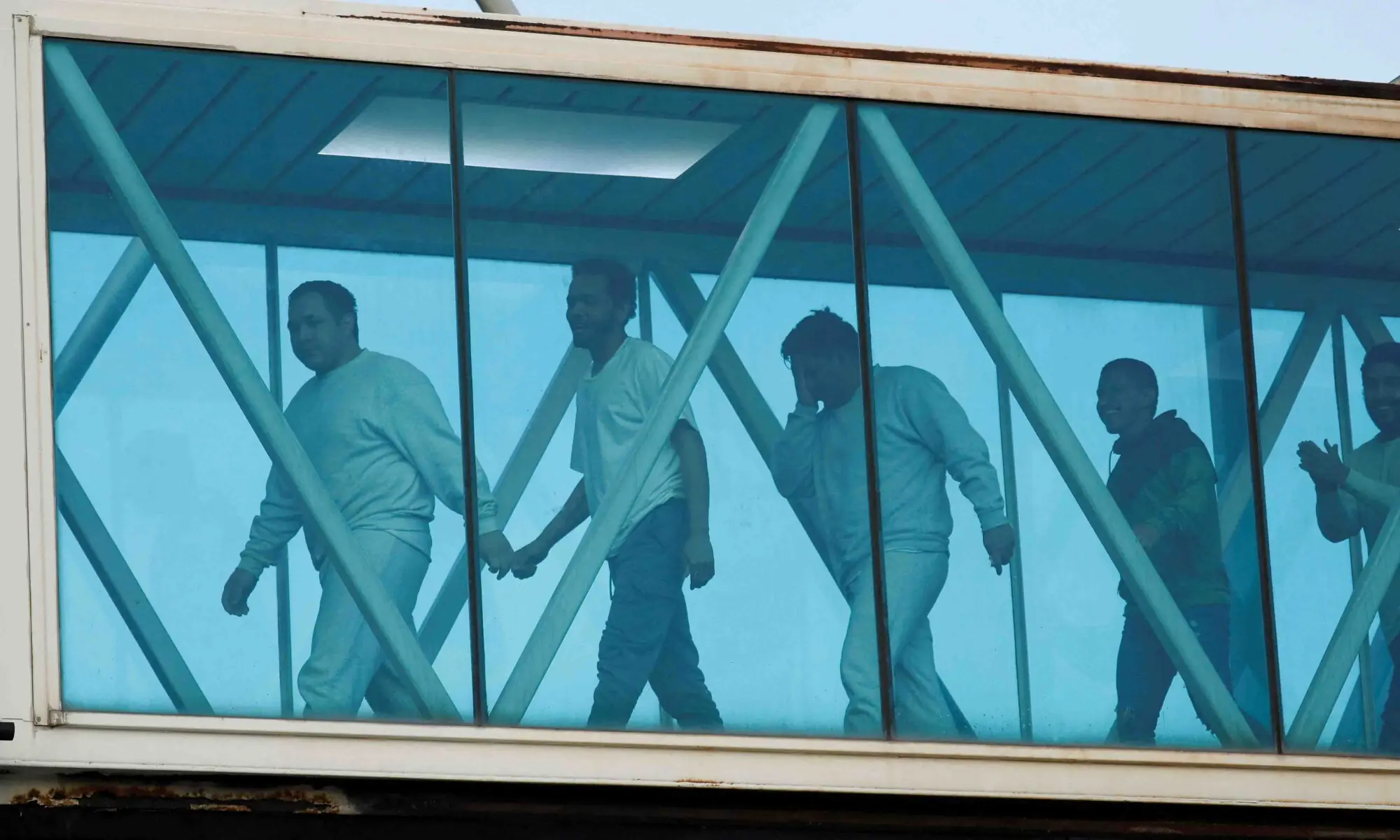
ABUJA: West Africans deported by the United States to Ghana are now fending for themselves in Togo after being dumped in the country without documents, according to lawyers and deportees.
The latest chapter in US President Donald Trump’s vast, opaque deportation programme, their saga became public last month when Ghanaian leader John Mahama disclosed that his country had struck a deal to accept deportees from the region.
Eight to 10 west African nationals have since been forcibly sent by Ghana to Togo, bypassing a formal border crossing and left on the street without passports.
“The situation is terrible,” said Benjamin, a Nigerian national. He said over the weekend that he was staying in a hotel room with three other deportees and only one bed, living off money sent from their families in the United States.
Benjamin said an immigration judge had ruled in June that he couldn’t be deported to Nigeria, citing risks to his life because of his past involvement in politics. He had expected to be released to his wife and children, who are US citizens.
He said he was beaten by Immigration and Customs Enforcement (ICE) agents when he said he would not board a US military plane headed to an unspecified location — which turned out to be Ghana.
Up to 28 people have arrived in the west African nation so far.
Accra disclosed an initial batch of 14 and US-based lawyer Meredyth Yoon said a second plane that could carry that same amount had since landed — though it was unclear how many people were on it. The initial 14 deportees had won protections in US immigration courts preventing their removal to their home countries for fear of persecution.
But Washington is sending them to Ghana as a loophole, Yoon said. One, a bisexual man from Gambia, was immediately sent home by Ghanaian authorities and is living in hiding because same-sex relations are criminalised in the country.
Togolese nationals in hiding
Two Togolese nationals were deported to the Togo border with Benjamin — a pseudonym he is using to protect his identity, as he fears persecution in Nigeria.
They were crying, repeating “it’s over, it’s over,” he said, adding that they’ve since gone into hiding.
Benjamin and another deportee, Emmanuel — also a pseudonym — said they spent more than two weeks under military guard in Ghana’s Dema Camp, in the town of Bundase, 70 kilometres outside Accra, with nine other deportees who suffered from exposure to heat, mosquitoes and unsanitary water.
The Ghanaian military eventually told them they were taking them to a hotel. Instead, they were driven to the Aflao border crossing, on the outskirts of Togolese capital Lome, and with the cooperation of Togolese border officials taken “through the back door” of the facility and left on the other side.
“We are in hiding right now because we have no type of documents, ID whatsoever,” said Emmanuel, a Liberian national.
Emmanuel came to the United States in the 1990s during the first Liberian civil war and was granted asylum.
Both he and Benjamin had been green card holders and are married to US citizens.
Published in Dawn, October 4th, 2025