MUZAFFARABAD: Journalism in Azad Jammu and Kashmir (AJK) remains under severe strain due to censorship, harassment, legal curbs, and systemic shortcomings, according to a new research report released by a Pakistan-based media and development sector watchdog on Thursday.
Titled “Journalism in Azad Jammu & Kashmir: state of media freedom, access to information and safety of journalists and other Media professionals – way forward,” the study was launched by Freedom Network in Muzaffarabad in collaboration with the central press club, with technical support from International Media Support (IMS).
Painting a bleak picture of working conditions for media professionals in the region, the report noted that threats to free speech in AJK stemmed from multiple quarters, including government authorities, caste-based structures, extremist groups and organised crime.
Journalists, it added, faced pressure from political actors, business elites and mafias, while digital reporters in particular were vulnerable as many operate without editorial guidance and take unnecessary risks.
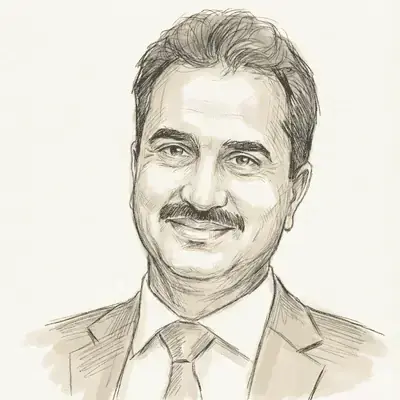
“Media is facing severe limitations, including financial constraints, bureaucratic controls and safety concerns,” Freedom Network Executive Director Iqbal Khattak said at the launch.
“But the rise of native digital journalism is a new discovery, and I hope this report provides food for thought for stakeholders to work jointly on solutions.”
The study pointed out that many journalists were either unpaid or underpaid, with low wages, poor service structures and little professional support.
In the absence of industry regulations, media workers often relied on their organisations to pressure advertisers for revenue, further undermining independence.
While the Sindh province and federal government have enacted protective laws, AJK was devoid of any such framework, leaving media workers to navigate hostile environments on their own.
This lack of legal safeguards, the report said, was reflected in frequent harassment, intimidation and threats against journalists.
It said that censorship in AJK manifested in multiple ways, including direct restrictions, self-censorship and digital silencing. A broadened legal definition of “community” allowed authorities to criminalise criticism of government institutions, with punishments of up to seven years’ imprisonment. The report also highlighted poor gender representation, with only five women journalists in AJK, of whom just three are Press Club members.
At the same time, digital platforms were rapidly reshaping the media landscape, though algorithms on social media were said to favour Indian narratives and suppress Kashmiri voices.
Among its recommendations, Freedom Network called for institutional support, improved legal protections, stronger advocacy for media rights, gender sensitisation, right-to-information reforms, and capacity building for digital media practitioners.
Published in Dawn, September 19th, 2025