WHO chief lifts global mpox emergency
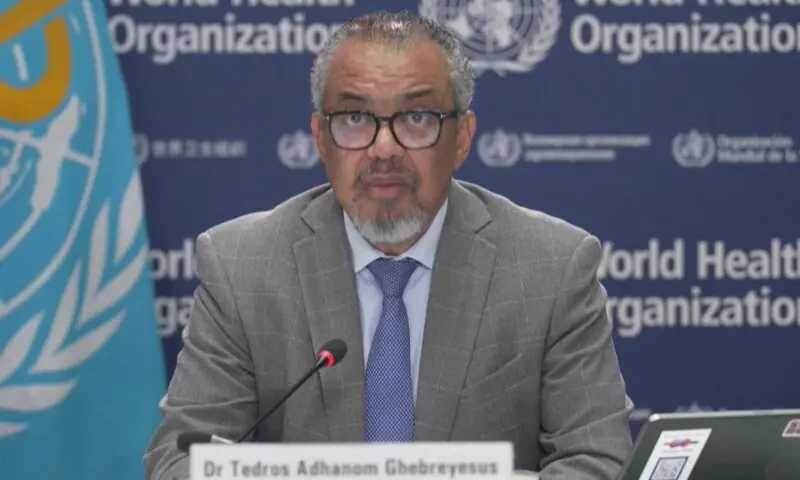
World Health Organisation (WHO) Director General Dr Tedros Adhanom Ghebreyesus on Friday announced that he was lifting the global mpox emergency, based on the advice of a committee convened to assess the impact of the disease.
“More than a year ago, I declared a public health emergency of international concern over the spread of mpox in Africa on the advice of an emergency committee,” he said during a live press briefing. The committee meets every three months to evaluate the outbreak.
“Yesterday, they met again and advised me that, in its view, the situation no longer represents an international health emergency. I have accepted that advice.”
Dr Ghebreyesus said that the decision was based on sustained declines in cases and deaths in the Democratic Republic of Congo, Burundi, Sierra Leone and Uganda, among other affected nations.
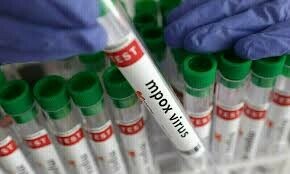
Mpox is caused by a virus from the same family as smallpox. It can be transmitted to humans by infected animals but can also be passed between people through close physical contact.
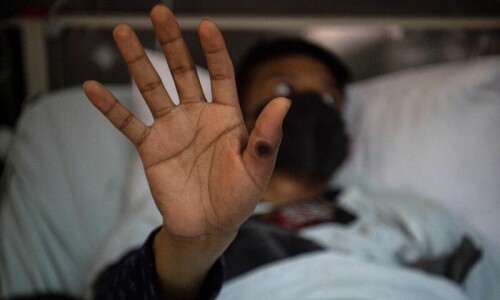
The disease, which was first detected in humans in 1970 in the Democratic Republic of Congo, then known as Zaire, causes fever, muscular aches and large boil-like skin lesions, and can be deadly.
It has two subtypes: clade 1 and clade 2.
The virus, long endemic in central Africa, gained international prominence in May 2022 when clade 2 spread around the world, mostly affecting gay and bisexual men.
The WHO first declared the emergency in August last year, when an outbreak of a new form of mpox spread from the badly-hit DRC to neighbouring countries.
A public health emergency of international concern is WHO’s highest form of alert.