IT is utterly tragic that 15 years after their approval, 11 out of 12 small and medium-sized multi-purpose dam projects across Pakistan remain incomplete despite billions of rupees having already been spent. The delay has cost the nation the capacity to store about 3.22 million acre-feet (MAF) of water annually. The combined storage of Tarbela, Mangla and Chashma reservoirs in May 2025 stood at just 3.02 MAF against a designed capacity of 13.5 MAF.
The 12 projects include Winder, Naulong, Hingol, Pelar and Garuk dams in Balochistan; Nai Gaj, Darawat and Sita-Khadeji in Sindh; Ghabir and Papin in Punjab; and Bara and Daraban Zam in Khyber Pakhtunkhwa.
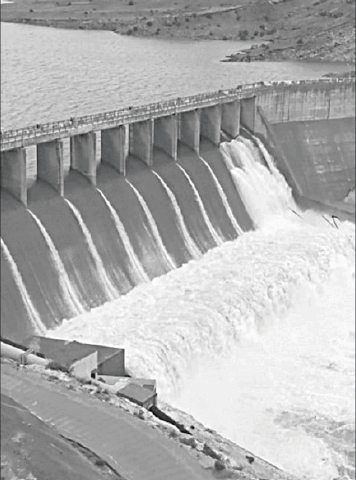
Planned in 2009-10 at a cost of $1 billion, with $700 million pledged by the Exort-Import Bank of China and the rest from domestic resources, these projects were meant to be completed within three to four years. However, 15 years later, only the dam at Darawat, as can be seen in the accompanying image, has been completed even if happened at three times its original cost.
The rest of the projects remain either stalled or abandoned due to chronic mis-management, corruption and lack of political will. China has since withdrawn its financing, while costs have escalated nearly 250 per cent.
As such, these projects are now being funded under the federal Public Sector Development Programme (PSDP). Ironically, the PSDP 2025-26 has allocated funds for only four of the 11 incomplete projects.
The projects, spread across all the four provinces, could have irrigated 380,000 acres of cultivable land, improved ground-water recharge, provided drinking water, and even generated modest hydropower. Instead, they remain stranded in bureaucracy while floods and droughts intensify owing to climate change.
Pakistan today has 142 medium and small dams, but field experts estimate potential for another 750. While large dams remain politically contentious and prohibitively costly, small-medium dams are faster to build and less expensive, besides being vital for flood control, food security and climate resilience.
The development of small dams is not a policy option, but an urgent necessity. Unless the government revives and completes these stalled projects, Pakistan will continue to squander precious water, deepen its food insecurity, and lose a vital chance for sustainable development.
Hussain Ahmad Siddiqui
Islamabad
Published in Dawn, August 31st, 2025