ISLAMABAD: The Oil and Gas Regulatory Authority (Ogra) on Thursday directed all licensed entities in the oil and gas sector to ensure adoption of digital payment solutions for all transactions by Oct 31 as part of the government’s push towards a cashless economy.
According to the directive, oil marketing companies, gas utilities, CNG stations, LPG and LNG operators, refineries and lubricant marketers must introduce and prominently display digital payment options — particularly the State Bank of Pakistan’s Raast QR code — at their outlets.
“No outlet will be allowed to refuse customers opting for digital transactions. Full compliance is required by Oct 31, 2025,” the regulator said. While consumers will still have the option to pay in cash, businesses will be bound to accept digital payments.
Ogra said the initiative supports the State Bank’s digitisation programme and is aimed at improving financial inclusion, transparency and operational efficiency across the energy sector. Companies have been advised to coordinate with banks, microfinance institutions or electronic money providers to obtain free-of-cost Raast QR codes for timely rollout.
All fuel outlets, utilities told to adopt cashless payments by Oct 31
“This initiative will facilitate consumers and strengthen Pakistan’s digital payment ecosystem,” the regulator noted.
The directive applies to the entire upstream, midstream and downstream value chain, covering marketing, refining, transportation, storage, transmission and distribution of petroleum products and natural gas, including CNG, LPG and LNG.
Officials said the decision had been under consideration before the FY26 budget under the direct supervision of the premier as part of the government’s “war on cash.”
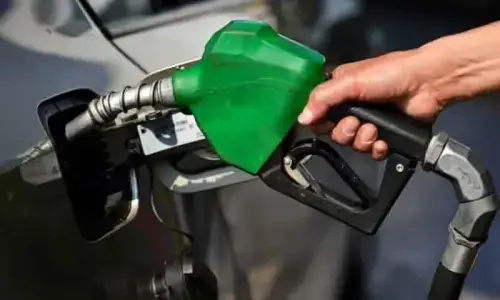
Petrol pumps nationwide — from Karachi to Khyber and Azad Kashmir to Chaman — will be required to offer QR code, debit and credit card, and mobile payment options alongside cash transactions.
Unlike point-of-sale (POS) systems, which require investment in machines and maintenance, QR codes and similar digital solutions involve minimal cost. Authorities cited the experience of India, Indonesia and Bangladesh, where similar measures had expanded cashless transactions significantly.
Despite longstanding legal requirements, tens of thousands of restaurants and businesses — some located near the Federal Board of Revenue (FBR) headquarters in Islamabad — continue to issue paper invoices and resist digital payments.
Separately, the government is pushing legislation in parliament to introduce digital tracking of petroleum products from import and production to retail sales. The measure is aimed at curbing smuggling and adulteration, which are estimated to cause annual revenue losses of Rs300-500bn, while also damaging engines and the environment.
Published in Dawn, August 29th, 2025