Iran says ‘cannot completely’ break with UN nuclear watchdog
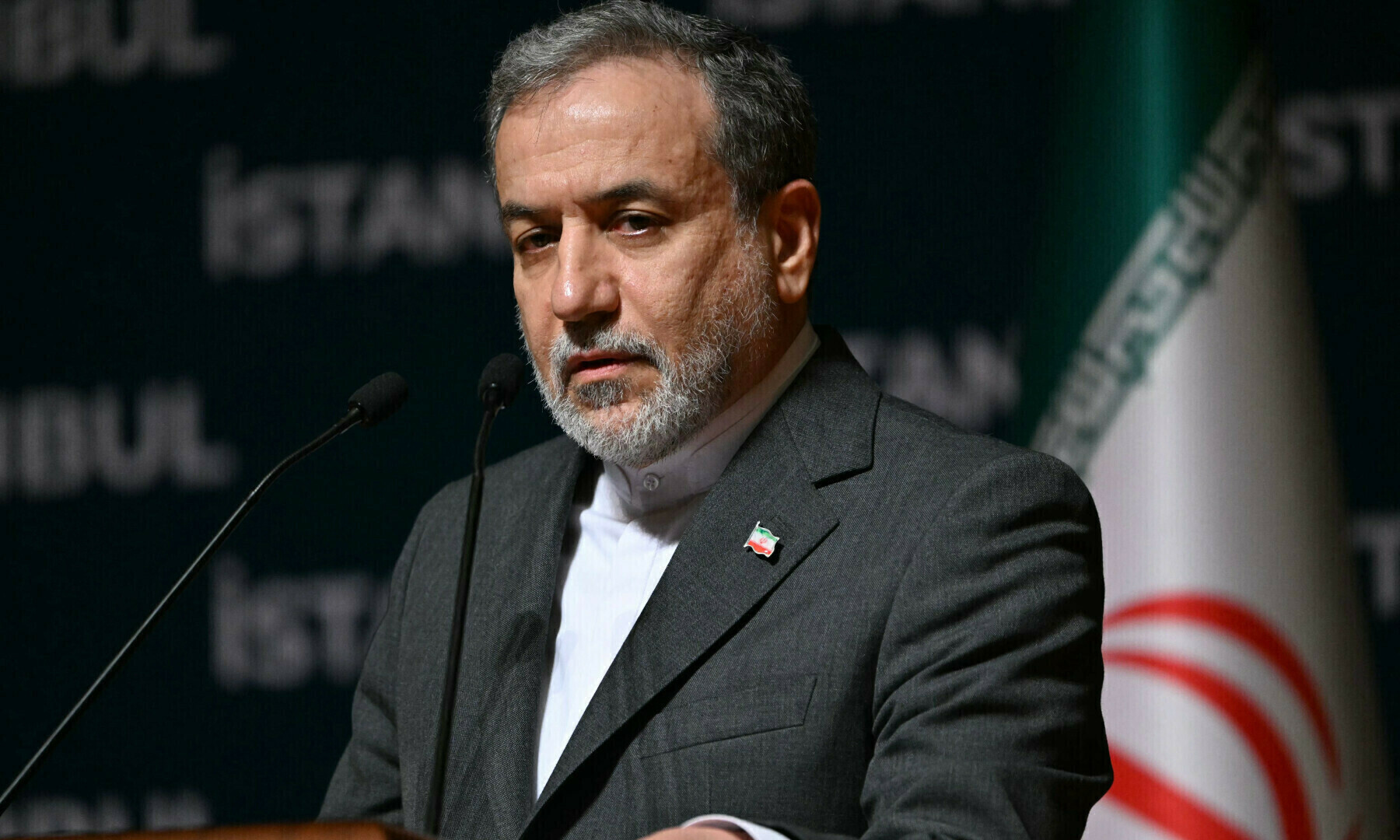

Iran “cannot completely cut cooperation” with the United Nations’ nuclear watchdog but the return of its inspectors is up to the country’s security chiefs, Foreign Minister Abbas Araghchi said on Wednesday.
The remarks come nearly two months after Iran suspended cooperation with the International Atomic Energy Agency (IAEA) following its 12-day war with Israel in June.
Iran has cited the IAEA’s failure to condemn Israeli and American strikes on its nuclear facilities as the reason for its decision, which saw the watchdog’s inspectors leave the country following the passing of new legislation by parliament.
“We cannot completely cut cooperation with the agency,” Araghchi said, noting that new fuel rods need to be installed at Iran’s Bushehr nuclear power plant in the coming weeks, which will require the presence of IAEA inspectors.
“Under the law passed by parliament, the return of inspectors will be possible through a decision of the Supreme National Security Council,” he told the official IRNA news agency in an interview published on Wednesday, referring to Iran’s top security body.
In mid-June, Israel launched an unprecedented attack targeting Iranian nuclear and military sites, but also hitting residential areas.
The United States launched its own attacks on nuclear facilities at Fordo, Isfahan and Natanz.
The war derailed talks between Iran and the US on a new nuclear deal to replace the one abandoned by US President Donald Trump during his first term in 2018.
Iran has since said cooperation with the agency will take “a new form” and earlier this month, the agency’s deputy head visited Tehran for talks.
At the time, deputy foreign minister Kazem Gharibabadi said Iran and the agency had agreed to “continue consultations”.
In recent weeks, Britain, France and Germany have threatened to trigger a snapback of UN sanctions lifted under the 2015 accord if Iran fails to agree a deal on uranium enrichment and cooperation with the IAEA.