How gamers are built for the future

In most offices, remote work is still a work in progress. Managers struggle with Slack threads, video calls drag on, and deadlines get lost in the shuffle. But for gamers, the idea of collaborating with strangers across the world and under pressure is nothing new. They’ve been doing it since their teens, only their “offices” were digital battlefields.
In Pakistan, this isn’t just an interesting cultural quirk, it’s a business story. The players at the top aren’t just earning prize money; they’re building personal brands, managing fan communities, and making real-time decisions under pressure.
Pakistan’s star players
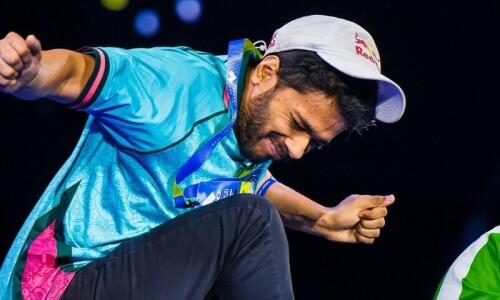
Take Arslan Ash; the Lahore-based Tekken player has played and won against international players from Japan to the US, winning championships and rewriting the narrative about Pakistan’s place in competitive gaming.
His success is about more than fast reflexes. In Tekken, as in business, victory depends on reading your opponent, anticipating moves, and adjusting strategy in seconds. It’s about learning under pressure and executing without hesitation, exactly the kind of adaptability global companies need when markets shift or projects hit roadblocks.
For a country with a young population and limited traditional job opportunities, e-sports offer not only income but also a way to participate in the global economy without relocating
Mr Ash’s career also reflects the economics of modern gaming. Tournament prizes, sponsorships, and streaming revenue add up to a sustainable income. For young Pakistanis, that’s a model: your skills, if honed and marketed right, can bypass traditional job markets entirely.
On a different digital battlefield, Mubeen Ilyas, better known as Star Anonymous, has made his mark through PUBG Mobile. Starting as a player with a passion for battle royale strategy, he built a following on YouTube through gameplay streams, tips, and engagement with fans.
Star Anonymous earns through ad revenue, viewer donations, sponsorships, and brand collaborations. This isn’t a side hustle, it’s a business; his work requires content planning, audience engagement, negotiation with sponsors, and technical production, skills that mirror those of a digital marketing manager or content strategist.
Earning from gaming goes beyond winning tournaments as revenue streams include social media streaming, brand sponsorships, merchandise sales, and even coaching other players
PUBG Mobile’s competitive scene also brings hard currency into the equation. Players compete for prize pools sponsored by tech companies, telecom operators, and international e-sports bodies. A win or even a top placement can be worth months of a traditional salary.
All Work and All Play
For years, gaming was dismissed as a distraction. But today around 2.7 billion people games worldwide. Research shows gamers outperform non-gamers in problem-solving, multitasking, and adaptability.
In Pakistan, these stats intersect with two trends: the growth of high-speed mobile internet and the rise of remote work. Together, they make gaming both a viable career path and a training ground for the skills the digital economy demands.
In a typical multiplayer game, players coordinate across different time zones, communicate in clear, tactical bursts, and adapt strategies in real time. The stakes may be virtual, but the teamwork is real, and directly transferable to project management in business.
While many companies still rely on traditional onboarding to teach collaboration, gamers have been practicing it for years without a single corporate training module. They know how to build trust with teammates they’ve never met in person, execute complex strategies under pressure, and make quick calls when the plan changes mid-game.
In global firms, especially those using artificial intelligence-driven workflows, these abilities are gold.
Monetisation beyond competition
Earning from gaming in Pakistan goes beyond winning tournaments. The revenue streams include: streaming on platforms like YouTube and Twitch; sponsorships from gaming brands, telecoms, and even non-gaming companies targeting a young, tech-savvy audience; merchandise sales, from branded jerseys to in-game skins; and coaching for aspiring players offered online to global clients.
For a country with a young population and limited traditional job opportunities, these pathways offer not only income but also a way to participate in the global economy without relocating.
From a business perspective, Pakistan’s gaming sector sits at the intersection of entertainment, technology, and talent development. The e-sports audience is digital-native, highly engaged, and willing to spend on subscriptions, gear, and experiences. The players themselves are building global networks, acquiring transferable skills, and showcasing Pakistan on an international stage.
There’s also a branding element. Just as cricket stars have put Pakistan on the sports map, e-sports champions are putting the country on the global digital map. For brands, partnering with these figures means reaching a large, loyal audience in a high-growth sector.
If Pakistan wants to leverage this trend, it will need more than individual success stories. Infrastructure for e-sports: venues, training programs, sponsorship pipelines. These could turn gaming from an informal career into a structured industry.
The writer is the head of content at a communications agency
Published in Dawn, The Business and Finance Weekly, August 18th, 2025