0
0

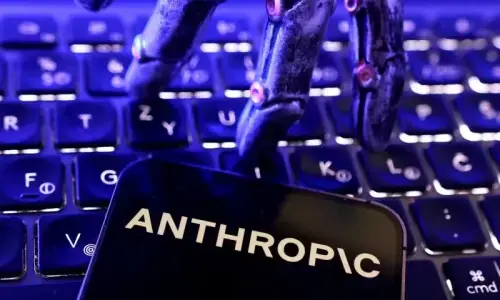
YouTube has started using artificial intelligence (AI) to figure out when users are children pretending to be adults on the popular video-sharing platform amid pressure to protect minors from sensitive content.
The new safeguard is being rolled out in the United States as Google-owned YouTube and social media platforms such as Instagram and TikTok are under scrutiny to shield children from content geared for grown-ups.
A version of AI referred to as machine learning will be used to estimate the age of users based on a variety of factors, including the kinds of videos watched and account longevity, according to YouTube Youth director of product management, James Beser.
“This technology will allow us to infer a user’s age and then use that signal, regardless of the birthday in the account, to deliver our age-appropriate product experiences and protections,” Beser said.
“We’ve used this approach in other markets for some time, where it is working well.”
The age-estimation model enhances technology already in place to deduce user age, according to YouTube.
Users will be notified if YouTube believes them to be minors, giving them the option to verify their age with a credit card, selfie, or government ID, according to the tech firm.
Social media platforms are regularly accused of failing to protect the well-being of children.
Australia will soon use its landmark social media laws to ban children under 16 from YouTube, a top minister said late last month, stressing a need to shield them from “predatory algorithms”.
Communications Minister Anika Wells said four-in-ten Australian children had reported viewing harmful content on YouTube, one of the most visited websites in the world.
Australia announced last year it was drafting laws that will ban children from social media sites such as Facebook, TikTok and Instagram until they turn 16.
“Our position remains clear: YouTube is a video sharing platform with a library of free, high-quality content, increasingly viewed on TV screens,” the company said in a statement at the time. “It’s not social media.”
On paper, the ban is one of the strictest in the world. It is due to come into effect on December 10.
The legislation has been closely monitored by other countries, with many weighing whether to implement similar bans.