ISLAMABAD: Although the government managed to secure parliamentary approval for an ordinance promulgated to satisfy Maulana Fazlur Rehman and a group of seminary boards, their registration may be hampered by the fact that the law only applies to the capital territory.
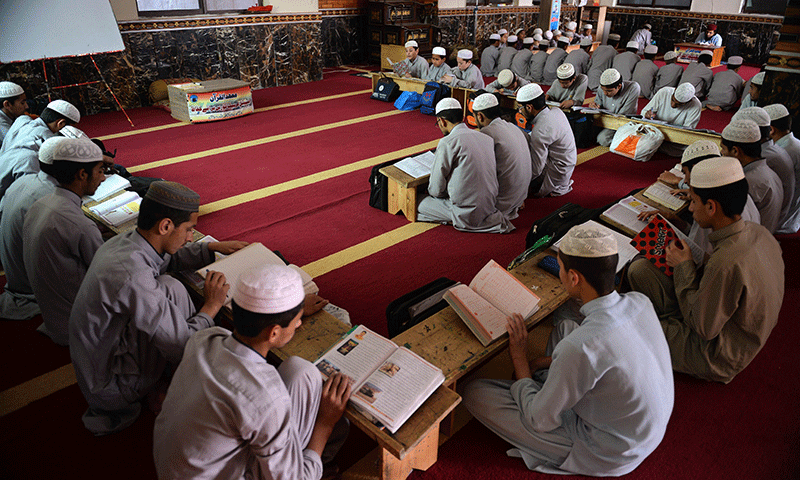
During Wednesday’s proceedings, the National Assembly passed the Societies Registration (Amendment) Act 2025, allowing religious seminaries to get registered with the authority of their choice — the federal education ministry’s Directorate General of Religious Education (DGRE), or their relevant DC office under the Societies Act 1860.
The new amendment is an addition in section 21-(C) of the law, allowing religious seminaries to choose which body they want to register themselves with. It has already been approved by the Senate.
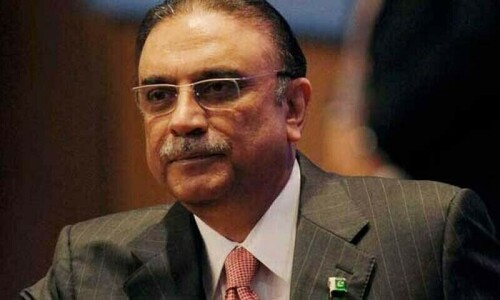
The law became a bone of contention between the JUI-F and the ruling coalition after President Asif Ali Zardari reportedly withheld presidential assent on the bill last year.
The bill sailed through the Senate on Oct 20, 2024 and was okayed by the National Assembly the following day. At the time, the government had supported its passage in return for the JUI-F support’s on the 26th Amendment.
But the Maulana and his coterie — which included the heads of Shia, Barelvi, Deobandi, Ahle Hadith and Jamaat-i-Islami-affiliated seminary boards — were not pleased with the new requirement of having to re-register themselves.
On the other side of the spectrum were clerics led by Raghib Naeemi — the head of the country’s Council of Islamic Ideology (CII) — who support registration with the education ministry.
Talking to Dawn, Pakistan Ulema Council Chairman Allama Tahir Ashrafi said that since seminaries provide education, they should be under the education ministry.
“This decision has averted the conflict among the clerics and we have respected their choice, despite the fact that we have a clear majority in this sector with 10 seminary boards, and a majority of the 18,600 madressahs are under these boards,” he added.
But a legal lacuna threatens the smooth sailing of this legislation; the federal law known as the Societies Act 1860 no longer applies to provinces after it was repealed following the 18th amendment and replaced with a local law.
JUI-F Senator Kamran Murtaza expressed concern over the government’s attitude on the matter, saying that currently, seminaries across the country were not “unregistered”, many were also facing issues such as the blocking of their bank accounts.
“The provinces repealed the Societies Act after 2019, we have had several meetings with the Balochistan government and they are waiting for approval from the federal government in this regard,” Senator Murtaza added.
Published in Dawn, August 7th, 2025