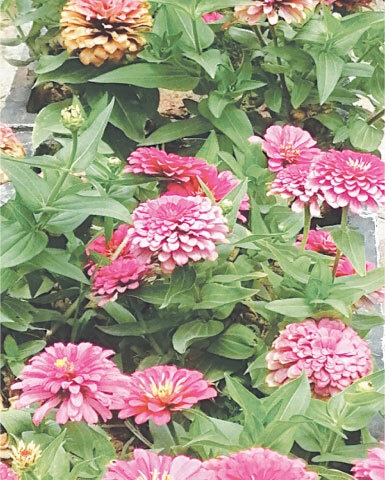
Growing healthy zinnia flowers begins with the sowing of the seed, its germination and growing the seedlings in small pots and seedling trays. It involves pruning the tip of the plant and removal of the top leaves for a bushy appearance. These seedlings are then segregated and placed in a dedicated small, five-inch pot to grow. But before discussing the requirements of the maturity phase of the zinnia plant, let’s briefly go through the uses, nutritional content and culinary applications of this attractive and colourful flower.
Regardless of its visual appeal, the zinnia flower is not very palatable. It is slightly bitter in taste and is only used as a garnish to add colour to meals, especially salads and snacks. In dried form, the zinnia flower is used as a herbal tea infusion. The petals of the zinnia flowers can also be boiled and its vibrant colours extracted, which are used to prepare dyes for colouring fabric and even some edible snacks.
Traditionally, the zinnia flower is used as a remedy for different ailments, such as bruises and fever, due to its recorded healing abilities. The flower is known to have antioxidant, antifungal and antibacterial properties.
Finally, from a gardener’s perspective, the zinnia flower adds colour to the garden and attracts different pollinators, which helps other plants with pollination and in the fruit-development phases.
Zinnias are more than just pretty flowers — they attract pollinators, make natural dyes and even have healing properties…
As the segregated seedling in a small pot grows in size gradually, it turns bushy with leaves, roots and branches growing out of it. The plant becomes stable and the roots start to come out of the drainage hole of the pot. This is an indicator to shift the zinnia plant to its bigger, final and permanent place.
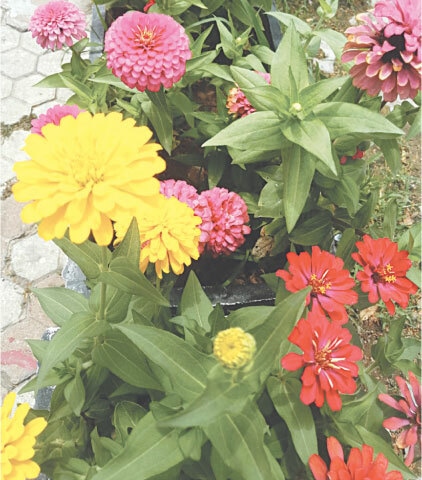
Labelling of the pots is also very important, especially when growing a number of colours. Labelling markers are easily available at plant stores. A cost-effective solution is to write the name, variety and colour of the flower on an ice-cream stick and insert it into the soil on the side of the pot. By doing this, the grower knows beforehand the colour of the plant and makes it easier to select the plant’s permanent location, depending on the grower’s preference.
Some gardeners prefer to make a hedge, border or flower-bed of the zinnia plants having a single-coloured flower only. Others might want an array of colourful flowers growing out from a single border or flower-bed for an eclectic display. The taller varieties of the zinnia have the advantage of being visible from a distance and are planted accordingly. Similarly, those who may grow zinnia flowers in their balconies would rather opt for the colourful options from the dwarf varieties.
While shifting the zinnia plants into the raised beds, a gap of six to eight inches is advisable between the plants. This is especially recommended for medium and taller plant varieties of zinnias. The ideal pot size for medium and taller varieties should be of at least ten to twelve inches in height and depth for a single plant. In case the zinnia flowering plant is of the dwarf variety, it should ideally be potted in a dedicated six-to-eight-inch container. When potting in raised beds, a gap of at least four inches is enough for dwarf varieties.

The permanent place of the zinnia plant should preferably be exposed to six to eight hours of early morning sunlight, as the plant thrives in sunlight. The soil should be drained, as water-logged soil and containers can hamper plant growth. Organic pesticides should be sprayed if a pest attack occurs.
The use of a balanced fertiliser should be continued as long as the plant’s growth continues; the phosphorus and potassium content are to be increased once the buds start to appear on the plant and the much-awaited flowering phase of the zinnia plant arrives.
Please send your queries and emails to doctree101@hotmail.com. The writer is a physician and a host for the YouTube channel ‘DocTree Gardening’ promoting organic kitchen gardening
Published in Dawn, EOS, August 3rd, 2025