Changing face of monsoon in climate-hit Pakistan
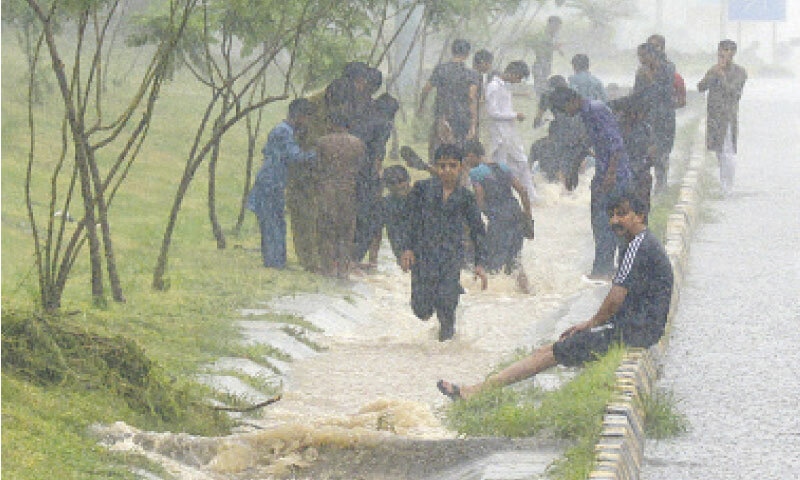


Less than a generation ago, there was a time when the monsoon was a celebration and the sound of thunder meant excitement.
As children, we would race to windows, watching with wide eyes as dark clouds rolled across the sky like a moving painting. The first drops of rain were tiny miracles that would bring joy. It was more than just a weather pattern; it was a season etched into our collective memory, art, and soul.
From the verses of classical poets to the melodies of old songs, the rains were symbolic of love, longing, renewal, and relief.
Children would run barefoot in the streets, squealing with joy as they splashed through puddles. Homes would come alive with the sizzle of Pakoras and the scent of cardamom tea. The elderly would sit by open windows, watching clouds roll in like old friends. The monsoon was a sensory experience romanticised in films, revered in folklore, and remembered in stories passed down through generations.
But that image now belongs more to nostalgia than to reality because that monsoon doesn’t exist anymore.
In today’s Pakistan, the monsoon has transformed from a symbol of beauty and renewal into a harbinger of chaos and despair. What was once awaited with excitement is now approached with dread.
We no longer welcome the rain, we prepare for it. We brace ourselves because when the clouds gather now, they carry not just water, but warning.
The monsoon has changed and it’s not just the timing or intensity, its everything. The climate crisis has shifted the very nature of our seasons. What used to be a cycle of balance has turned into a sequence of extremes, as scorching heat is followed by sudden floods and dry spells replaced by storm surges.
This shift is no accident, but a consequence of climate change. Extreme weather events, unpredictable rain patterns, and rising global temperatures have starkly altered the way we experience seasons.
The monsoon is no longer rhythmic or gentle. It lashes rather than sprinkles. Torrential downpours that used to occur over weeks now fall within hours. The result: flash floods, landslides, and crop failure.
This year, the warning signs were visible well in advance. The Pakistan Meteorological Department had issued multiple advisories, forecasting above-normal rainfall and potential risks. Climate scientists and environmental experts sounded the alarm, urging authorities to prepare. Yet, when the rains arrived, the country was once again caught off guard.
Among the earliest tragedies of the season occurred in Swat when for one group of tourists, what began as an ordinary vacation turned into a nightmare. A sudden flash flood swept them away. Videos of their final moments, captured on mobile phones, circulated widely. The footage showed them trapped, panicked, and pleading for help as the water raged around them.
Those haunting visuals flooded social media, igniting a wave of grief, disbelief, and rage across the country. The images weren’t just disturbing they were unforgettable. They laid bare, once again, the fragility of our disaster preparedness, the lack of regulated tourism protocols, and the failure to act in time despite known weather threats.
The pain was compounded by memory. Just three years ago, in 2022, a nearly identical tragedy unfolded in the same region, claiming five young lives. Back then, too, there was public outcry. Committees were set up. Promises were made. Officials visited bereaved families. Yet, three years later, here we are mourning new victims, trapped in a loop of forgotten warnings and unlearned lessons.
This repeating pattern of tragedy-response-apathy has become all too familiar. It exposes a deeply entrenched governance failure a tendency to react after disaster strikes rather than invest in prevention.
How many more warnings do we need? How many more lives must be lost before climate resilience becomes more than a speech?
Our children are growing up not with stories of dancing in the rain but evacuations, landslides and missing persons. And yet, our response remains reactive not preventive. We talk about climate change on Environment Day and every year, amid this cycle, we observe World Environment Day with official statements and ceremonial tree plantings.
This year, President Asif Zardari issued a message acknowledging Pakistan’s high vulnerability to climate change. He pointed to the recurring impact of extreme weather on millions of lives especially in vulnerable areas.
Though, the words are well intentioned but climate change is not waiting for plans it’s already here and affecting the people. Speeches and messages alone will not fix broken bridges, flooded homes or shattered families.
For how many years will we rely on ceremonial speeches, environmental awareness walks, and poster-making competitions in schools, while systemic risks remain unaddressed? When the rains arrive, the same questions echo across newsrooms and households.
What we need now is not just awareness rather early warning systems that work not just on paper but on the ground. We need regulated tourism, protected forests and strict construction laws in flood prone areas.
The shifting climate is not an abstract threat, it is a daily struggle. Yet, national investment in disaster risk reduction remains insufficient. There is little focus on climate-resilient infrastructure — whether its storm-water drains in cities or embankments along rivers. Tourism continues unchecked in climate-vulnerable areas without safety protocols. Our response is fragmented, often delayed, and driven more by optics than outcomes.
Why must we wait for people to die before taking action? Why does it take social media outrage to prompt accountability? Why do our institutions only awaken after a preventable tragedy unfolds?
While citizens can and should reduce their environmental footprint, true climate resilience begins with the state. It requires political will, resource allocation, and institutional reform.
We cannot romanticise the rain anymore not until we make it safe again. — The writer is a freelance journalist
Published in Dawn, July 28th, 2025