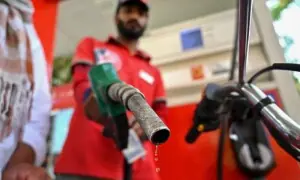
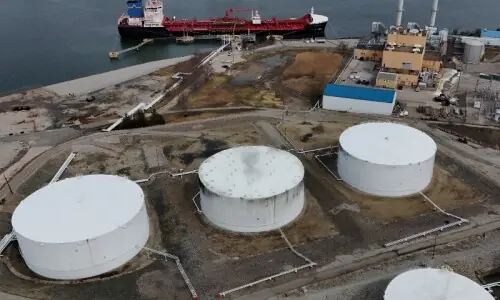
Pakistan’s economy is at a critical crossroads. In mid-July 2025, the government raised retail fuel prices sharply — petrol by Rs5.36 and diesel by Rs11.37 per litre — adding to already-rising inflationary pressures.
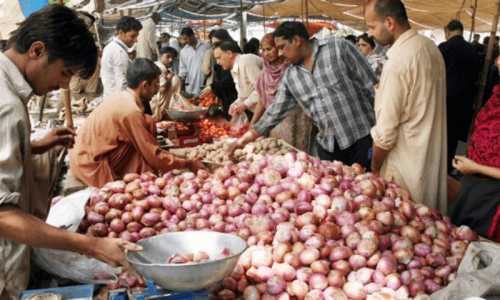
Petrol and diesel fuel most transportation and food-supply chains, and higher fuel costs quickly cascade into broader price rises. In sum, the recent fuel price shock is a classic cost-push inflation hit to Pakistani households.
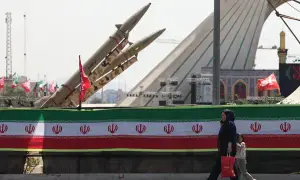
These hikes come amid volatile global oil markets due to Middle Eastern conflicts and a weak rupee, compounding the inflation impact. Notably, Pakistan applies heavy taxes on fuel: almost Rs98 per litre is collected in levies. These petroleum levies raised Rs1.16 trillion in FY24, with a budget target of Rs1.47tr in FY25. In short, fuel is both a driver of inflation and a major fiscal revenue source.
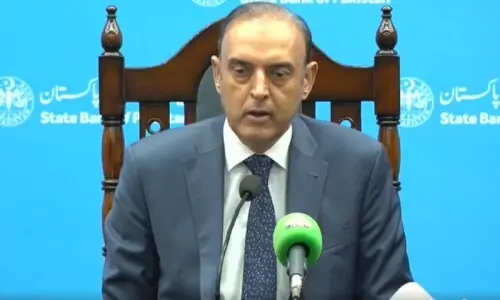
As of late, the State Bank of Pakistan (SBP) has been easing policy aggressively to support growth but now likely faces a trade-off between stimulating activity and curbing inflation. Since mid-2024 the SBP slashed its key rate from 22 per cent to just 11pc.
Monetary easing and liquidity expansion have likely supported growth indicators, but they may create a risk of renewed inflation if not reined in
This rapid easing helped revive credit and investment, but it also increased the money supply. In early 2025, with headline inflation at historic lows (around 0.3pc in April 2025), the SBP even paused its cuts in March 2025, citing emerging price risks. By mid-June 2025 the SBP held the rate at 11pc, noting that global oil and commodity volatility and Middle East tensions posed upside risks to inflation.
After a period of low inflation, with Consumer Price Index (CPI) near 0–3pc in early 2025, forecasts expected inflation to drift up. The May 2025 CPI was 3.5pc year-on-year, still low by Pakistan’s standards, but it seems that factors like rising energy prices and currency pass-through could push it higher later in the year.
The SBP’s Monetary Policy Committee projected inflation returning to the 5–7pc target range by the end of FY26, but noted significant uncertainty. Recent SBP statements emphasise caution. The June 2025 hold was justified by risks of volatile inflation from ongoing conflicts and commodity swings.
Even if headline inflation is low now, persistent core and food inflation pressures call for a prudent stance. The SBP is likely to pause further rate cuts and may even reverse some easing if inflation heads up. Any visible jump in CPI numbers in the coming months — for example, due to these fuel hikes — will sharply limit the SBP’s room to manoeuvre, especially under the International Monetary Fund’s (IMF) conditionalities.
On the external front, record remittances have bolstered Pakistan’s foreign earnings, but the rupee has nonetheless weakened. Worker remittances hit an all-time high of $38.3 billion in FY25, up 26.6pc from $30.3bn in FY24. These inflows — driven largely by earnings from the Gulf, the UK, and the US — helped nearly balance the trade deficit and kept the current account modestly positive.
However, the Pakistani rupee is still sliding. In early July 2025 the interbank rate was around Rs284–285 to a dollar and about Rs287–288 in the open market, meaning the rupee trades above 280 per dollar much of the time. This depreciation partly reflects deliberate SBP policy.
According to the SBP, it bought over $8bn from the domestic market in FY25, intervening mainly in late FY25, supported by the remittance surge. This built gross reserves to roughly $14.5bn by the end of June 2025, from lows of around $11–12bn earlier; a 39-month high. Traders note the SBP also tightened dollar supply by limiting importers’ foreign exchange access, especially in Q4FY25.
All else equal, draining dollars and boosting reserves tend to weaken the rupee, because imports must now compete for fewer available foreign exchange resources. A weaker rupee immediately raises the rupee cost of dollar-priced imports. Analysts emphasise that this cost-push effect is already feeding inflation: a rupee slide from around Rs230–280 per dollar over two years has dramatically raised landed costs for fuel, medicines, industrial inputs, and food. Fuel is particularly sensitive, as Pakistan imports around 80pc of its oil.
A rise in the dollar rate translates very quickly into higher fuel prices at the pump, which then cascades into higher transport and food costs. In sum, the cumulative effect of currency depreciation is imported inflation. By June 2025, food inflation was already partly due to such pass-through.
Despite heavy imports, strong remittances roughly kept the current account nearly balanced in FY25. The SBP even achieved a small surplus through April 2025, aided by a $1bn IMF disbursement that lifted reserves. But the outlook is fragile: with domestic demand rising in FY26, imports may jump, and the current account could slip into deficit, exerting further pressure on the rupee.
In parallel with currency manoeuvres, the SBP has been injecting massive liquidity into the banking system. Three large Open Market Operations (OMOs) in June–July 2025 stand out. These injections responded to seasonal and structural liquidity demands, such as Eid-related cash needs and lags in external inflows.
However, such large injections flood the economy with rupees at a time when demand is already recovering. This massive rupee circulation from these OMOs only deepens inflationary pressures.
In practical terms, more liquidity combined with lower rates can fuel consumer spending and credit even as supply constraints due to fuel costs and low crop yields persist. With the policy rate at only 11pc, further injections risk stoking demand-side inflation.
In summary, monetary easing and liquidity expansion have likely supported growth indicators, but they may create a risk of renewed inflation if not reined in soon. Pakistan’s policymakers are balancing conflicting objectives. On one hand, supporting growth and shoring up reserves is vital. On the other hand, domestic price stability is under threat from the factors above.
A more coordinated and synced fiscal-monetary stance would help. On the monetary side, the SBP may need to pause any further rate cuts or even raise rates and withdraw liquidity if inflation accelerates. Tightening OMOs by selling government paper could soak up excess rupees. Such moves would signal inflation-fighting intent and help anchor expectations.
On the fiscal side, the government could moderate fiscal policy to avoid adding fuel to the fire. In practice, this could mean holding fuel taxes steady or reducing them temporarily to cushion households. For instance, when world oil prices fell in March 2025, the government froze fuel prices and used the savings to promise lower electricity tariffs. Continuing such relief measures, or at least not raising petroleum levies further, would relieve some inflationary pressure.
In conclusion, Pakistan’s economy stands at an inflationary crossroads. Rising fuel prices and a weakening rupee are putting new upward pressure on prices, just as policymakers have been loosening money and credit. Going forward, restoring credibility will require firm signals on inflation control — even as growth is nurtured. Transparent coordination, including possibly phasing in inflationary costs rather than abrupt hikes and judicious use of fiscal buffers, will be essential to navigate these challenges and stabilise both the economy and public confidence.n
The writer is an urban economist from Pakistan, currently based in the Middle East, focusing on urban economic development, macroeconomic policy, and strategic planning.
Email: dr.moheyuddin@gmail.com | X Handle: @moheyuddin
Published in Dawn, The Business and Finance Weekly, July 21st, 2025