0
0
WHEN I began orthopaedic residency, I was full of hope. I believed that after years of medical school sacrifices — sleepless nights, relentless exams and financial strain — this would be the chapter where I would finally grow into the surgeon I aspired to be. I was wrong. What I found was not a rigorous and fair training programme, it is a broken, exploitative system that crushes its residents long before it prepares them. Training? There is none.
Residency, by definition, is supposed to be structured, skill-based training. Yet, in Pakistan, there is no real curriculum. There is no consistent academic schedule, no surgical skills development plan, and no system of progressive responsibility. Whether you actually learn anything in the operating room often comes down to personal politics, not competence.
Most well-functioning residency prog-rammes abroad, such as those following American and British guidelines, struc-tured rotations, case logs and milestone-based assessments, ensure residents develop surgical skills safely and prog-ressively. In Pakistan, learning feels optional, and entirely self-driven.
Journal clubs, morbidity and mortality meetings, and even basic bedside teaching occur only when accreditation visits loom. I have stood for hours assisting in surgeries without being allowed to even hold an instrument properly. Not because I was not ready, but because someone else was favoured for reasons unrelated to merit.
Postgraduate exams here feel less like a fair assessment of knowledge and more like a gamble. Unlike standardised, transparent practices, our examinations are unpredictable, examiner-dependent, and often biased. One may pass or fail not based on knowledge, but based on who happens to be on the panel. Exams are marred by personal egos, favouritism and, in some cases, outright prejudice. There is no structured feedback. People simply fail and are left guessing why.
I have watched hard-working residents walk out devastated, while underprepared candidates with ‘connections’ pass with ease. There is no accountability in this process, and, as a result, failure feels less like constructive feedback and more like character assassination.
We are often told that hardship builds character. In truth, what is happening in our hospitals is exploitation. Pakistani residents work 80 to 100 hours per week often without formal contracts, labour rights, or even a minimum wage. There are no duty-hour restrictions, and there is no system to monitor residents’ wellbeing.
What most residents whisper, but rarely say publicly is that favouritism is rampant, and in some departments, gender bias makes it even worse. I have watched less competent residents — both males and females, depending on the field of specialisation — advance purely because of their specific gender, not because of skill or dedication.
Constructive criticism has been replaced by public humiliation. Guidance is reduced to occasional scolding. The majority of residents are left to ‘figure it out’ without proper supervision — a dangerous prospect for a field like surgery, where actual lives are at stake then and there. In contrast, international programmes enforce graded responsibility and regular feedback, not as a luxury, but as a necessity. When I look at how residency works abroad, I do not feel jealous; I feel robbed.
We are not lazy. We are not incompetent. We are desperate to learn, to become competent surgeons, to carry on this profession with pride. But we are stuck in a system designed for power preservation, not education. A system where residents are treated as disposable labour, where merit is optional, and where no one is held accountable. Until this system changes, we will continue to produce surgeons who are less prepared, less confident, and more emotionally drained than they should be. And Pakistan’s patients will suffer the most.
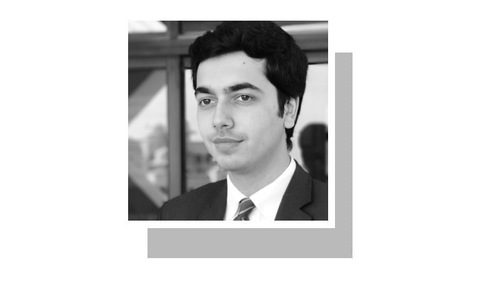
Abdul Rehman S.
Karachi
Published in Dawn, July 15th, 2025