Heatwave across Europe leaves 8 dead as early summer temperatures hit records
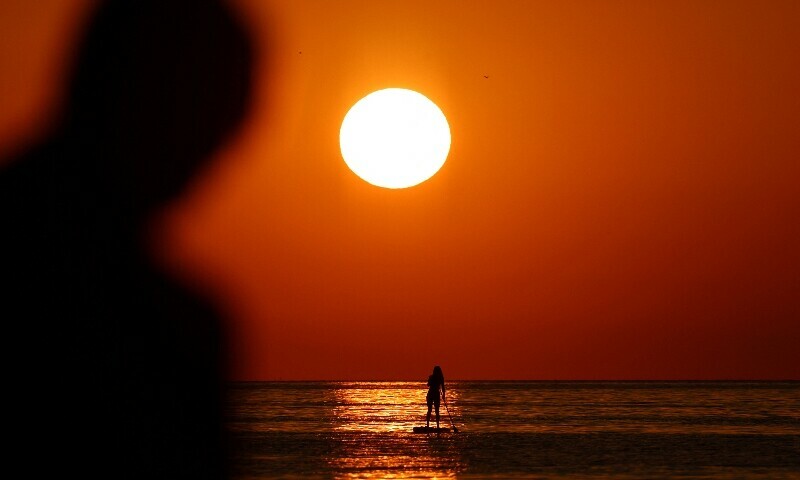


Four people died in Spain, two in France and two in Italy as an early summer heatwave continued to grip much of Europe on Wednesday, triggering health alerts and forest fires and forcing the closure of a nuclear reactor at a Swiss power plant.
Spanish officials said a wildfire in Catalonia had killed two people a day earlier, and authorities reported heatwave-linked deaths also in Extremadura and Cordoba. France’s energy minister reported two deaths linked to the heat, with 300 others taken to the hospital.
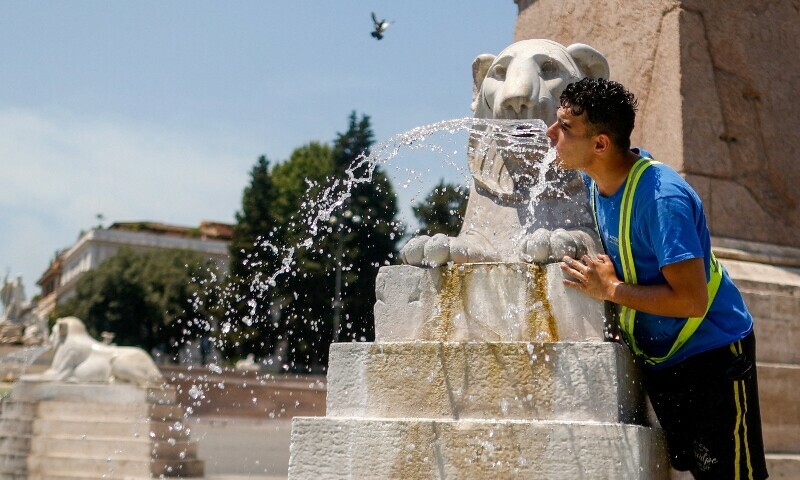
Italy issued red alerts for 18 cities, while in Germany, temperatures were forecast to peak at 40 degrees Celsius in some areas, making it the hottest day of the year.
Two men over the age of 60 died in separate incidents on the beach in Sardinia from the heat, ANSA news agency reported.
Weather forecaster Meteo France said red alerts remained for several areas of central France.
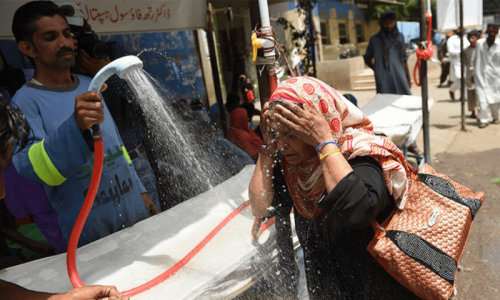
The risks were greatest for vulnerable members of the population, and Catherine Vautrin, France’s health and families minister, said authorities should remain vigilant.
“In the coming days, we’ll see the consequences, particularly on the most vulnerable, and I’m thinking particularly of the elderly,” she said.
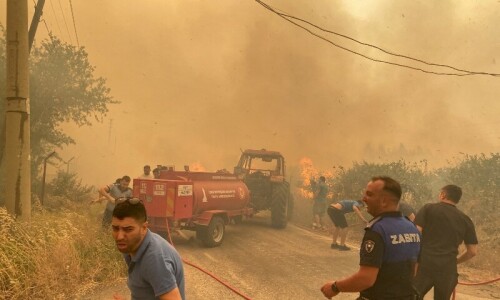
Turkiye, which battled blazes on several fronts, forcing the temporary evacuation of about 50,000 people earlier in the week, said its fires were largely contained.
Tuesday’s fire in the Catalonia region of Spain destroyed several farms and affected an area stretching about 40 kilometres before being contained, officials said.
Storms ahead, reactors shut
Italy, France and Germany warned of the risk of heavy storms due to excessive warming in unstable atmospheres. Violent storms in the French Alps late on Monday triggered mudslides, disrupting rail traffic between Paris and Milan.
Swiss utility Axpo shut down one reactor unit at the Beznau nuclear power plant and halved output at another on Tuesday because of the high temperature of river water.
Water is used for cooling and other purposes at nuclear power plants, and restrictions were expected to continue as temperatures are monitored.
The extreme heat would likely impact the region’s economic growth, which was expected to slow by half a percentage point in 2025, Allianz Research said in a report, likening the financial toll of one day with temperatures exceeding 32°C to half a day of strikes.
Scientists say heatwaves have arrived earlier this year, spiking temperatures by up to 10°C in some regions as warming seas encouraged the formation of a heat dome over much of Europe, trapping hot air masses.
‘Testing our resilience’
Greenhouse gas emissions from burning fossil fuels are a cause of climate change, they say, with deforestation and industrial practices being other contributing factors. Last year was the planet’s hottest on record.
“Extreme heat is testing our resilience and putting the health and lives of millions at risk,” said Inger Andersen, executive director of the United Nations Environment Programme.
“Our new climate reality means we can no longer be surprised when temperatures reach record highs each year.”
Allianz Research’s warning of a dent in economic activity due to the heat rang true for some businesses. British baker Greggs warned on Wednesday its annual profit could dip below last year’s levels as the unusually hot UK temperatures discourage customers from eating out.
In Germany, people flocked to open-air swimming pools and lakes to cool off, with many schools across the country closed.
The fire brigade was tackling several forest fires in the eastern states of Brandenburg and Saxony.
The upper floor of the Eiffel Tower in Paris was shut to visitors on Tuesday, while the iconic Atomium in Brussels, an atom-like structure made of stainless steel, closed early on Wednesday as a precaution, its third early closure this week.
Spain experienced its hottest June on record this year, and France had its hottest June since 2003.