ILO launches study to reform ship recycling sector

ISLAMABAD: The International Labour Organisation (ILO) has announced a diagnostic study of Pakistan’s ship recycling value chain as part of efforts to enhance occupational safety, health, gender inclusion, and promote a green transition within the sector.
Pakistan is working to make its ship recycling processes safer and more environmentally friendly by aligning hazardous waste management with international labour and environmental standards, according to the ILO.
The study, which forms part of the ILO-International Maritime Organisation (IMO) project “Safe and Environmentally Sound Ship Recycling and Decent Work,” will map key stakeholders, identify policy gaps, and assess training needs, particularly following Pakistan’s recent ratification of the Hong Kong Convention (HKC).
The ILO and IMO are jointly implementing the project to enhance national capacities for the safe and environmentally sound recycling of ships. This initiative prepares Pakistan to meet its obligations under the Hong Kong Convention, which the country acceded to in December 2023.
The project is focused on developing a national roadmap for enforcing the HKC, while also improving labour conditions, particularly through a safe and healthy working environment for ship recycling.
Initiative aims to boost safety, environmental standards at Gadani shipbreaking yard
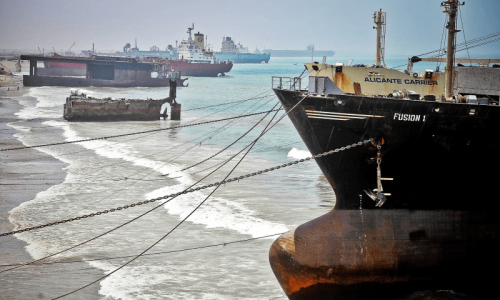
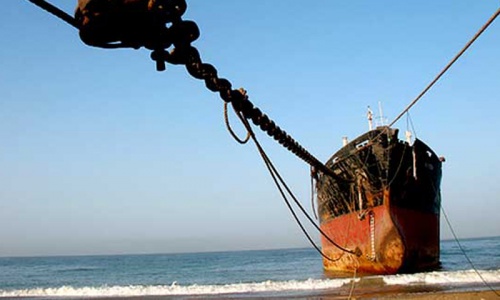
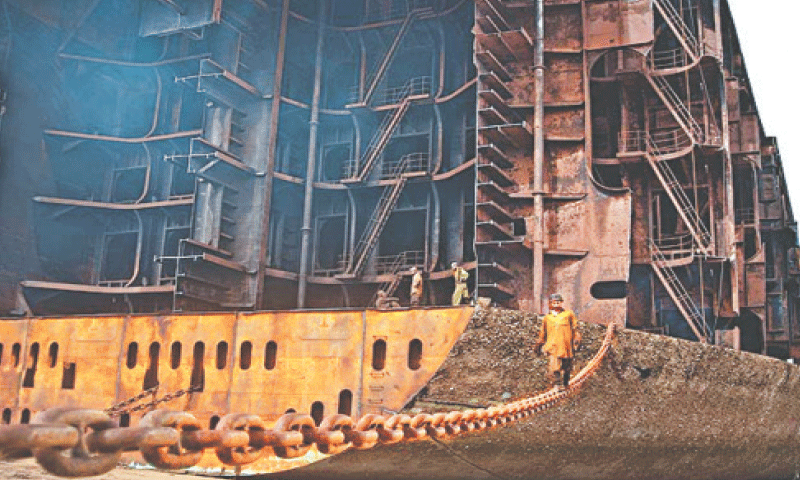
Pakistan’s ship recycling industry, centred around the Gadani shipbreaking yard in Balochistan, has a long history and was once a global leader.
Although the country remains a significant player in the industry, accounting for 16.6pc of global ship recycling in 2022, the sector faces numerous challenges, including outdated infrastructure, weak regulatory enforcement, unsafe working conditions, and environmental concerns.
Despite these challenges, the industry remains economically important, generating approximately Rs12bn annually and employing thousands of workers. The ship recycling industry in Gadani holds considerable potential for the growth of Small and Medium Enterprises (SMEs) and for advancing workforce skills.
Tapping into the potential of downstream industries that utilise salvaged materials from dismantled ships could open new avenues for business creation and income generation. This includes the expansion of sectors such as metalworking, component fabrication, and recycled material processing. Developing expertise in these fields will cultivate a skilled workforce capable of supporting sustainable enterprises.
To ensure long-term success and attract investment, enhancing regulatory oversight and promoting eco-friendly practices is crucial. This will not only protect the environment and worker welfare but also bolster the sector’s credibility on the global stage. With targeted support for downstream industries and vocational training, Pakistan can transform its shipbreaking sector into a driver for employment, economic growth, and a more resilient circular economy.
Globally, ship recycling is governed by various frameworks. The Hong Kong Convention, adopted by the IMO in 2009, mandates the safe and environmentally sound recycling of ships, requiring vessels to carry an Inventory of Hazardous Materials. Compliance will necessitate significant upgrades to Pakistani yards, including facility authorisation and improved worker training.
The Basel Convention (1989) regulates hazardous waste movement and promotes sound management, while the ILO has issued guidelines and conventions on occupational health and safety for shipbreaking. Pakistan’s upcoming ratification of key ILO Occupational Safety and Health (OSH) conventions in 2025 is expected to support national efforts to reform the sector, improve worker protection, and meet global standards.
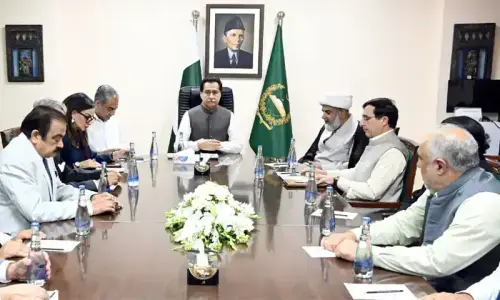
As part of its efforts, the ILO held a stakeholders’ workshop on hazardous waste management and ship recycling in Karachi to enhance understanding of the Hong Kong Convention, ILO’s Chemical and OSH Conventions, and legal requirements for worker safety and environmental compliance.
The initiative is part of broader efforts to align Pakistan’s ship recycling industry with international labour and environmental standards while improving occupational safety and health at the Gadani shipbreaking yard.
Geir Thomas Tonstol, ILO Country Director for Pakistan, emphasised that “the management of hazardous waste is not just an environmental obligation — it is a labour rights imperative. Through this project, we are working to strengthen safety standards and ensure decent working conditions for all.”
Published in Dawn, June 29th, 2025