0
0

China has expanded the economic safeguards for segments of its population affected by flood control schemes in times of extreme rainfall, including pledges of direct compensation from the central government and payments for livestock losses.
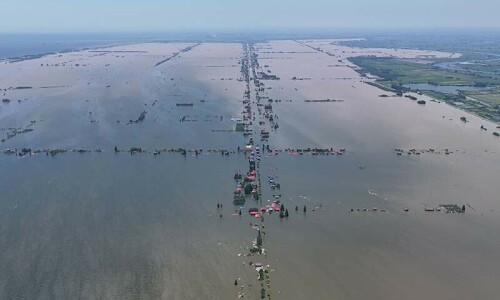
In China, diverting floodwaters to areas next to rivers is a major step in managing downstream flooding. As extreme rainfall grows in frequency, China is increasingly utilising such areas, some of which have been unused until now and have been populated by farms, croplands and even residential buildings, stoking social tensions.
According to revised rules on compensation related to flood diversions released late on Friday, the central government will now bear 70 per cent of all compensation funds, with local governments responsible for the rest. Previously, the ratio was to be decided based on actual economic losses and the fiscal situation of local governments.
Livestock and poultry that cannot be relocated in time before the arrival of diverted floodwaters will also be included in the compensation scheme for the first time. Previously, only the loss of working animals could be claimed for compensation.
In the summer of 2023, almost 1 million people in Hebei, a province on the doorstep of Beijing, were relocated after record rain forced authorities to divert water from swollen rivers to some populated areas for storage, triggering anger over the homes and farms sacrificed to save the Chinese capital.
China currently has 98 designated flood diversion areas spanning major river basins including the Yangtze River basin, home to a third of the country’s population. During the 2023 Hebei floods, eight flood storage areas were used.
Since the start of the East Asia monsoon in early June, precipitation in the middle and lower reaches of the Yangtze has been up to two times higher than usual, officials from the China Meterological Administration told reporters on Friday.
In other parts of China, daily rainfall measured by 30 meteorological stations in provinces such as Hubei and Guizhou broke records for the month of June, they said.
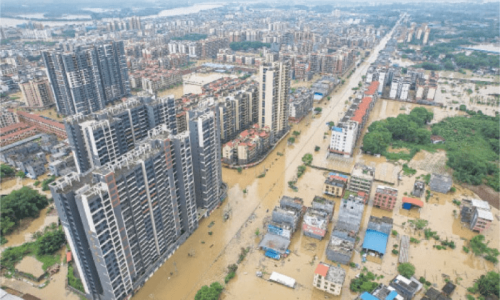
Guizhou was the focal point of China’s flood alleviation efforts this week, with one of its cities hit by flooding on a scale that meteorologists said could only happen once in 50 years, and at a speed that shocked its 300,000 residents.
That prompted Beijing to issue pledges on Thursday to move vulnerable populations and industries to low-flood areas and allocate more space for flood diversion.