ISLAMABAD: All fuel stations and key points in Islamabad are scheduled to have electric vehicle (EV) charging points by 2030 as part of the government’s plan to make the capital a green-fuel city.
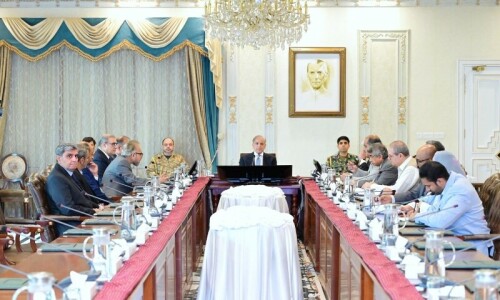
The decision was made at the fifth meeting of the Steering Committee on the Electric Vehicle Policy on Thursday.
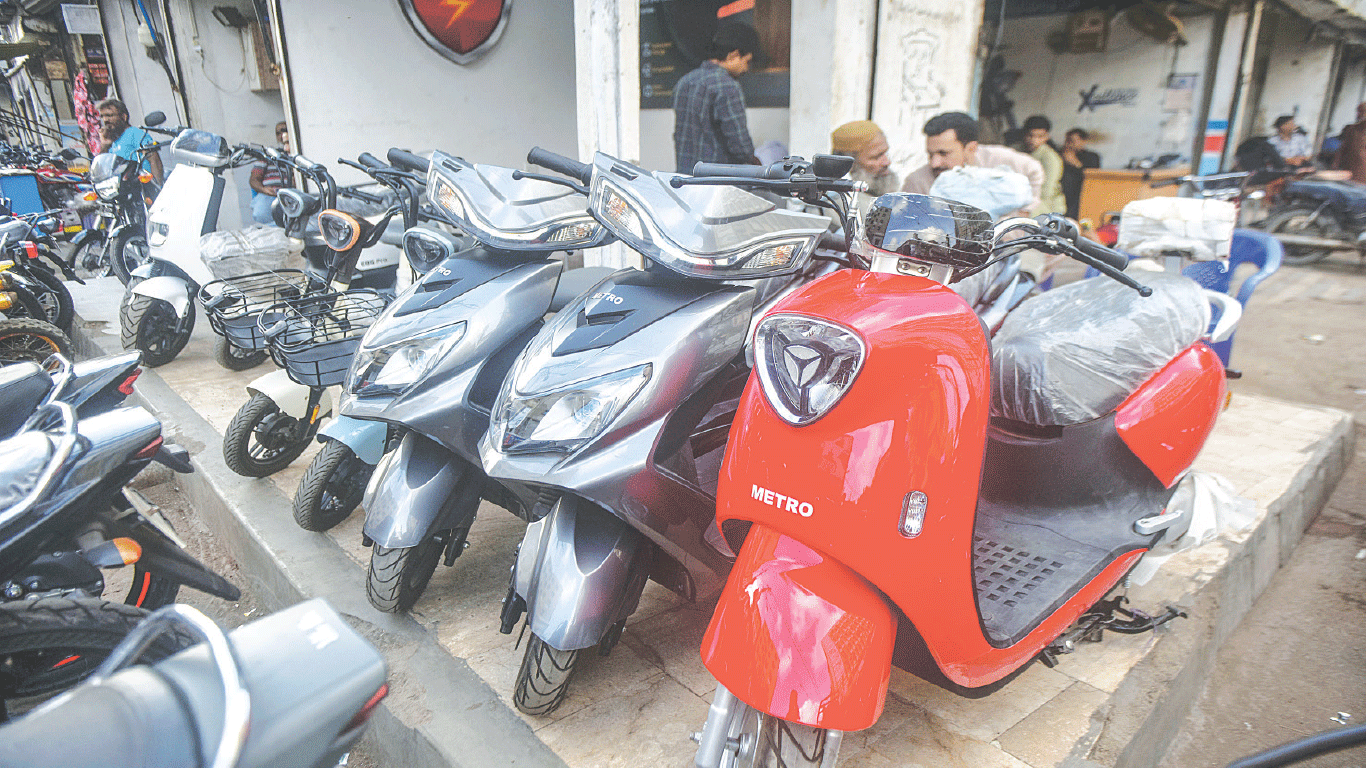
The government has already decided that Pakistan will have around 2.2 million EV motorcycles and cars in the next five years and to power them more than 3,000 charging stations will be established across the country by the end of the current year.
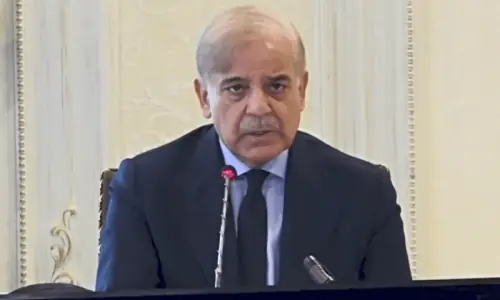
The meeting of the steering committee, chaired by Special Assistant to the Prime Minister (SAPM) on Industries and Production Haroon Akhtar Khan, was attended by representatives from key ministries, Federal Board of Revenue (FBR), State Bank of Pakistan (SBP) and CDA officials.
The meeting reviewed the progress of the New Energy Vehicle (NEV) Policy 2025-30 and noted that the federal capital had to play a lead role in minimising vehicular pollutions and maintain the green stature of the city.
The relevant authorities have already initiated checking of vehicles crossing the emission levels and it was expected that with the widespread availability of EV charging stations, Islamabad will have a large number of EV motorcycles also.
The participants held discussions on the first phase of the proposed subsidy scheme for electric vehicles.
A technical briefing was also presented regarding battery performance and specifications, specifically considering Pakistan’s unique climatic conditions and their impact on electric vehicle performance.
The SAPM noted that the Ministry of Industries and Production had engaged in consultations with provincial governments regarding the policy and emphasised that the intergovernmental cooperation would continue to ensure effective and consistent implementation across the country.
He said the policy’s environmental impact would be assessed using international standards to measure reductions in greenhouse gas emissions and to explore opportunities for carbon credits.
The government has recently introduced the new EV policy to steer Pakistan toward a greener, cleaner and more sustainable transportation system.
The key target of the policy is to reduce Pakistan’s reliance on imported fuel, but it will also significantly contribute to lowering environmental pollution.
He said the government was committed to developing a green transport infrastructure, adding the new policy aims to achieve integrated progress in technology, economy and environmental sustainability.
Published in Dawn, June 27th, 2025