Afghanistan turns to Russia for some food supplies amid Iran-Israel war
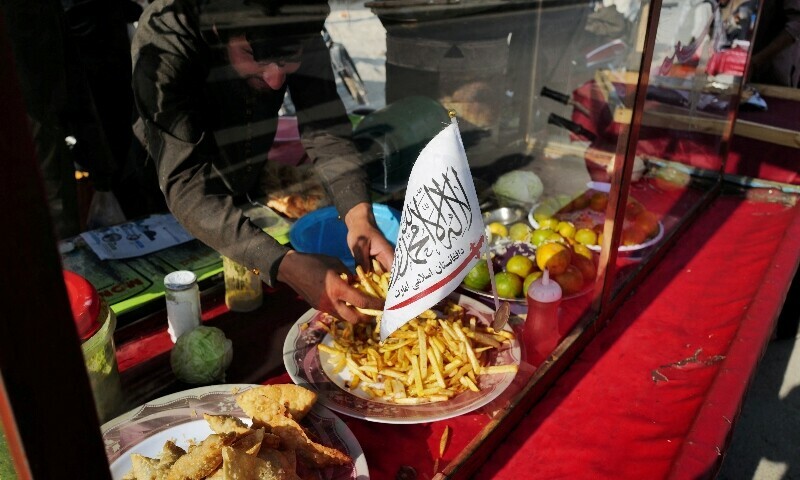

Afghanistan is in discussions with Russia to import certain foodstuffs as the conflict between Israel and Iran, one of its largest trading partners, risked cutting off supplies, its agriculture minister told Reuters.
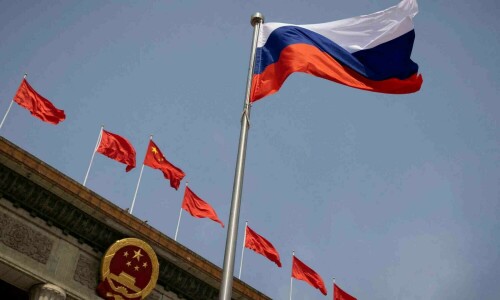
As relations between Russia and the Taliban government have been improving, an Afghan delegation is visiting Russia’s main economic conference in St Petersburg this week, meeting Russian agriculture officials.
“Afghanistan is definitely aiming for self-sufficiency in its agricultural products. However, we still rely on some food items that come from Iran, and if problems arise there, it will undoubtedly have its effects,” Ataullah Omari said on the sidelines of the conference.
Iran supplies Afghanistan with some dairy products, among other commodities, and there is widespread concern that the week-old war between Israel and Iran could disrupt trade flows.
Russia — the world’s largest wheat exporter — and Kazakhstan are the main suppliers of wheat and flour to Afghanistan. Russia is also supplying sugar and vegetable oil.
Omari said that the country is now seeking wheat rather than flour from Russia.
Afghanistan, the top buyer of Russian flour in 2024, increased its own wheat production by 10 per cent last year to 4.83 million metric tonnes. The country’s total wheat consumption is estimated at 6.8m metric tonnes a year.
“For the past four years, since the withdrawal of the Americans, we have been making efforts to provide our essential food supplies ourselves. The remaining amount, including flour and wheat, is supplied annually by Russia,” Omari said.
“We have requested that Russia send us wheat instead of flour. Additionally, the import of other products that come from Russia to our country annually is progressing well,” he added.
In April, Russia lifted its ban on the Taliban, which it had designated as a terrorist organisation for more than two decades, paving the way for Moscow to normalise ties with Afghanistan’s leadership.
Since 2022, Afghanistan has imported gas, oil, and wheat from Russia, marking the first major economic deal after the Taliban returned to power, facing international isolation following 20 years of war against US-led forces.
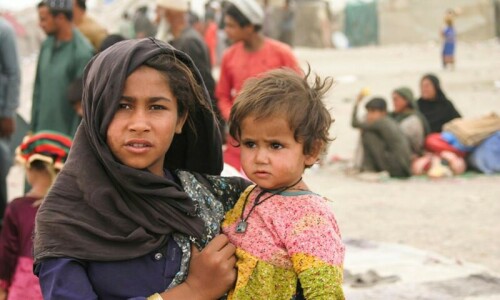
Omari expressed concern about Afghan refugees living in Iran who could become victims of Israel’s attacks. The UN Refugee Agency (UNHCR) estimates that nearly 4.5m Afghan nationals reside in Iran.
“Any kind of damage that occurs there is absolutely unsatisfactory for our nation and our people, especially for many of our refugees who live there and are our brothers,” he said.