0
0

ISLAMABAD: The government has constituted a seven-member committee to finalise a detailed mechanism for digitising payments at fuel stations across the country before its formal announcement in the federal budget.
The committee, formed on the direction of Finance Minister Muhammad Aurangzeb, is headed by Sharjeel Murtaza, Chief Digital Officer of Karandaaz Pakistan, and includes Ali Jan Khan, consultant on digital reforms at the Federal Board of Revenue (FBR), along with senior nominees from the FBR, Oil and Gas Regulatory Authority, Oil Companies Advisory Council, and the State Bank of Pakistan.
Karandaaz Pakistan would be responsible for providing technical and secretarial support to the committee and submitting a final proposal to the FBR and the Ministry of Finance.
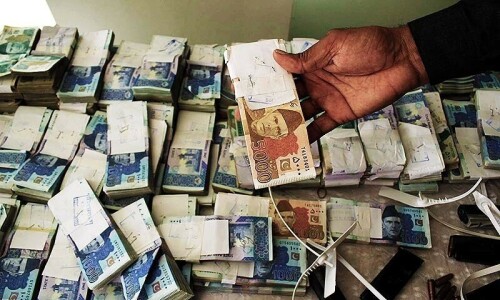
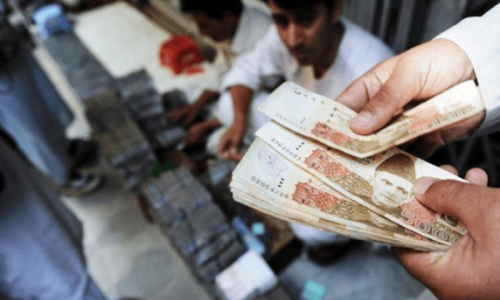
This is part of the government’s plan to declare “war on cash” in the upcoming budget by introducing differential tax and transaction rates for cash and digital payments across various sectors, including fuel pricing.
Seven-member panel will be headed by Karandaaz Pakistan CDO
Sources also said that policymakers had already been working on the technical and administrative aspects of the move to support the FBR, which has failed miserably so far to document retail businesses in a manner that could yield revenue outcomes over the past two decades, despite repeated attempts and models.
The finance minister is believed to have held at least three successive consultative sessions with the FBR, the Ministry of Petroleum, banks, financial institutions, and a few hired or co-opted consultancy firms to explore technical solutions.
The campaign against the cash-based economy would work both ways — from top-down and bottom-up — to encourage and compel both consumers and businesses to reduce costs for documented transactions and increase expenses for cash. It aims to gradually shift the current high-cash economy to a low-cash and, eventually, cashless economy, where technically feasible.
An official said that all petrol pumps across the country — from Chaman to Khyber and Karachi to Azad Kashmir — would be required by law to provide digital options, including QR codes, debit and credit cards, and mobile payment services, in addition to cash.
The government-notified petroleum prices would apply only to digital transactions, while cash sales would involve an additional cost of about Rs2-3 per litre. Consumers would be free to conduct cash transactions at a higher rate but would be encouraged to opt for digital payments instead.
The concept is already tried and tested in the shape of a 25 per cent higher cost on cash payments at motorway tolls compared to cheaper rates on M-Tags.
Likewise, the FBR has been using a lower GST rate of 5pc for payments to restaurants through credit and debit cards in Islamabad compared to standard tax rates on cash payments.
There are widespread leakages nevertheless, as restaurant owners encourage their customers to avoid both tax rates without computerised receipts. Some of them even issue computerised receipts without their digital connection to the FBR.
Different rates for cash and digital payments at petroleum outlets are anticipated to help track petroleum supplies from borders and ports to refineries and depots. The FBR chairman is reported to have offered not to consider the process for revenue objectives and suggested that the revenue so collected from petrol stations could be passed back to consumers through subsequent fortnightly or monthly price revisions.
On the other hand, importers and manufacturers would have to charge a standard 18pc general sales tax on digital payments from their suppliers or retailers, with an additional 2pc GST applicable on sales settled in cash.
Published in Dawn, June 4th, 2025