The Centre for Economic Research in Pakistan (CERP) and Princeton University researchers have initiated a project to develop a long-term energy transition planning framework, according to a press release issued on Friday.
The press release said that the initiative comes at a time when Pakistan’s energy sector faced high costs, volatility, and an overreliance on imported fossil fuels, which accounted for nearly 60 per cent of the country’s energy supply.
“Outdated infrastructure, inefficient management, and transmission bottlenecks have contributed to persistent power shortages and a growing circular debt crisis, issues that the roadmap aims to address while planning for future growth, sustainability, and climate resilience,” the press release said.
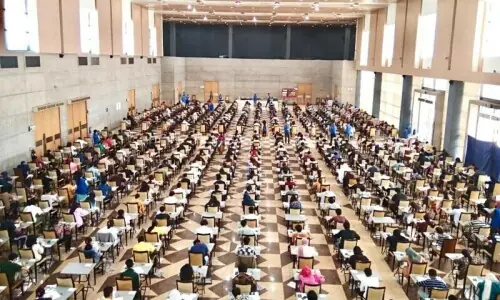
Part of a two-day workshop, the event “Pakistan’s Energy Transition Roadmap” brought together over 50 policymakers, researchers, and private-sector experts.
“Drawing on Princeton’s net-zero project expertise, the initiative would provide Pakistan with practical, evidence-based guidance on how to equitably move from reliance on expensive, imported fossil fuels to cleaner, more affordable energy sources aligned with economic growth and development goals,” it said.
“The Energy and Petroleum Division are working separately, but for the plan to be truly effective, it needs to be built on real, credible data … I believe we need to formalise this relationship with CERP to help us plan better and gain valuable insights from their experts,” Federal Minister for Energy Sardar Awais Ahmad Khan Leghari said according to the press release.
“CERP is uniquely positioned to advise us and help us identify the issues they have expertise in,” Leghari said while speaking at the event.
National Disaster Risk Management Fund Chief Executive Officer Bilal Anwar said that climate risks and natural disasters made planning more urgent than ever to avoid future social and economic costs.
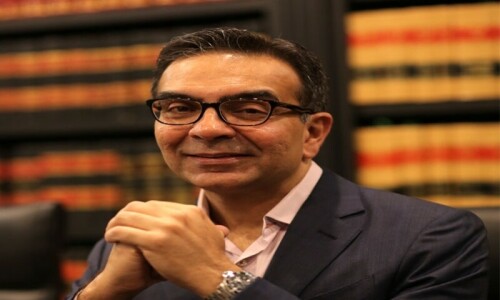
CERP CEO and President Maroof A Syed said that project project wasn’t about imposing ideas, rather it was about co-creating a roadmap that respected Pakistan’s “unique challenges while exploring practical opportunities for cleaner, more affordable energy”.
“At CERP, we ensure that every step we take is rooted in rigorous evidence so that solutions are grounded in real data and tailored to Pakistan’s specific needs,” Syed was quoted as saying.
Senior Research Scientist at Princeton’s Andlinger Centre for Energy and Environment, Dr Chris Greig, said discussions with participants, sector specialists, policymakers and other stakeholders were valuable in helping them understand the real challenges and the urgency of finding context-specific solutions that work for the country’s economy and people.
“They also help us think about development-compatible pathways to Pakistan’s sustainable energy future,” he said.
The press release said that the Julis-Rabinowitz Centre for Public Policy and Finance at Princeton SPIA has cosponsored the workshop series for the last three years.
Centre’s Associate Director Pallavi Nuka said, “Initially focused on capacity building, these workshops have directly contributed to catalysing significant thinking about Pakistan’s energy policies and fostered valuable collaborations.”
“Building on this foundation, this initiative will help policymakers understand the bigger picture when it comes to planning for Pakistan’s future energy needs,” Pallavi was quoted as saying.
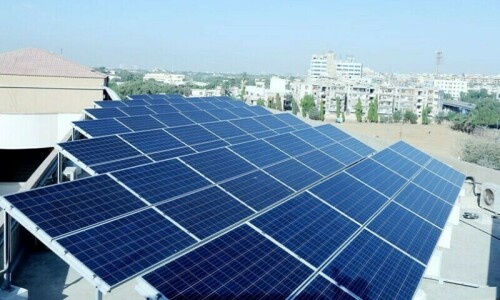
“The roadmap project, now beginning its detailed work, will explore multiple, development-compatible pathways to meet Pakistan’s growing energy demand, reduce environmental and economic costs, and identify investment opportunities in renewables that support climate resilience,” the press release said.