WASHINGTON, May 7: Pakistan has told the United States that the Indo-US nuclear deal should not be allowed to disturb the existing balance of power in South Asia.
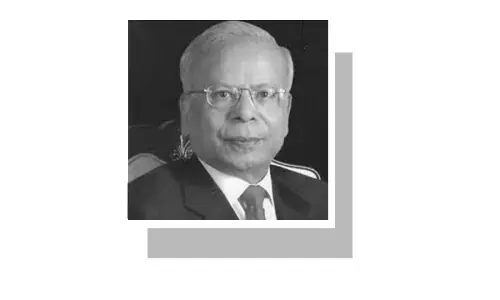
“We believe that everybody will suffer if this balance is disturbed,” Defence Secretary Lt-Gen (Rtd) Tariq Waseem Ghazi told a briefing in Washington.
Gen Ghazi, who was here for the 17th annual meeting of the US-Pakistan defence consultative group, said that Pakistan had ‘some reservations’ about the Indo-US nuclear deal and these reservations were raised during the five-day talks.
“We told them that the existing balance of power in South Asia must not be disturbed,” he said. “It will hurt everybody if this balance is disturbed.”
Gen Ghazi said that the Pakistani delegation also discussed the Bush administration’s concept of ‘de-hyphenation’ during the DCG talks and in their meetings with US officials.
The US says that it has ‘de-hyphenated’ its ties with India and Pakistan and relations with one will not be allowed to influence the other.
“We have different views on some aspects of this concept and we believe that (the Indo-US nuclear deal) may lead to an arms race in South Asia,” the defence secretary said.
He said US officials were told that allowing India to keep some of its nuclear facilities outside the IAEA safeguards has the potential to disturb the balance of power.
“There’s always a possibility of the diversion of fissile material from safeguarded to un-safeguarded facilities,” he said. “This could lead to escalation in greater weaponisation and arms race.”
The defence secretary said that Pakistan understood how to maintain the minimum strategic deterrence in the region and “will not be tempted into this race but it’s for the world to see” what could trigger such a competition.
He said it was not just Pakistan that had reservations about the Indo-US nuclear deal. “Enough people are questioning this in the US as well.”
Gen Ghazi said that during the DCG meetings both sides agreed that there was an ‘excellent’ understanding between the military establishments of the two countries and on issues of regional security. “But they also agreed that this understanding should go beyond defence ties and develop into a long-term friendship between the two countries.”
The defence secretary said that no US official or congressman he met during his weeklong stay in Washington raised any doubts about Pakistan’s sincerity to fighting terrorists hiding in the tribal belt or elsewhere.
“But we did talk about the need for enhancing the capacity of the Pakistani troops battling the militants and for better intelligence sharing between the two countries,” he added.