0
0

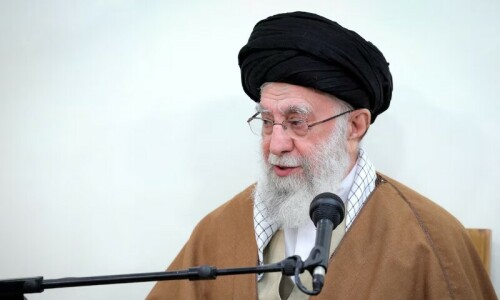
Iran’s supreme leader Ayatollah Ali Khamenei said on Tuesday that nuclear talks with the United States were unlikely to yield any results, amid a diplomatic standoff over the Islamic republic’s enrichment activities.
“We don’t think it will lead to any outcome. We don’t know what will happen,” said Khamenei during a speech, adding that denying Iran’s right to enrich uranium was “a big mistake”.
Iran and the US have held four rounds of Omani-mediated nuclear talks since April 12, the highest-level contact between the two foes since Washington abandoned the 2015 nuclear accord.
The two sides had confirmed plans to hold another round of discussions during the latest meeting on May 11, which Tehran described as “difficult but useful”, while a US official said Washington was “encouraged”.
Iran currently enriches uranium to 60per cent, far above the 3.67pc limit set in the 2015 deal but below the 90pc needed for a nuclear warhead.
Western countries, including the US, have long accused Iran of seeking to acquire atomic weapons, while Iran insists its nuclear programme is for peaceful purposes.
Iran has repeatedly insisted its right to maintain uranium enrichment was “non-negotiable”, while chief US negotiator Steve Witkoff has called it a “red line”.
On Sunday, Witkoff reiterated that the United States “cannot allow even one per cent of an enrichment capability”.
“If the US is interested in ensuring that Iran will not have nuclear weapons, a deal is within reach, and we are ready for a serious conversation to achieve a solution that will forever ensure that outcome,” said Iran’s Foreign Minister and lead negotiator Abbas Araghchi.
“Enrichment in Iran, however, will continue with or without a deal,” he said in a post on X.
‘Maximum pressure’
Iranian diplomats have said Tehran would be open to temporary restrictions on how much uranium it enriches and to what level.
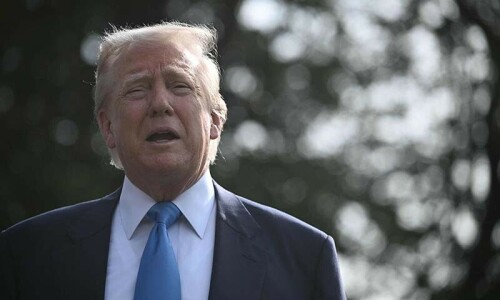
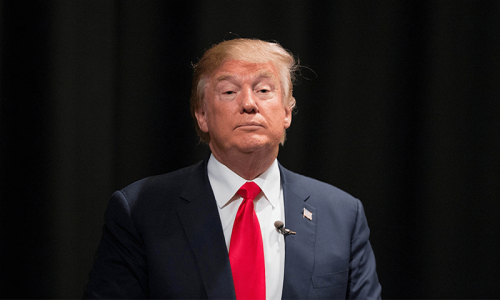
Since returning to office in January, US President Donald Trump has revived his “maximum pressure” approach against Iran.
While backing nuclear diplomacy, he also warned of potential military action if it fails.
In recent days, Trump issued a warning that “something bad is going to happen “unless the Iranians “move quickly” towards a deal.
He earlier said that the United States was “getting close” to a deal with Iran that would avert military action.
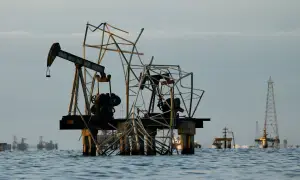
Iranian officials, however, criticised what they described as “contradictory” positions by US officials along with the continued imposition of sanctions targeting Iran’s oil industry and nuclear programme despite the talks.
On Sunday, Araghchi said Tehran has been observing “dissonance … between what our US interlocutors say in public and in private. “