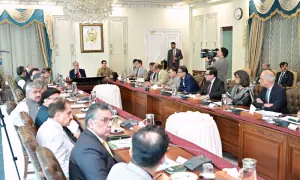
ISLAMABAD: The participants of a stakeholders’ dialogue on Thursday emphasised the necessity for AI systems in Pakistan to be transparent, inclusive, and particularly sensitive to the rights of vulnerable communities.
The speakers, including experts and representatives from relevant ministries, civil society, academia, and media, further called for enhanced inter-sectoral coordination and stronger institutional capacity to ensure policy coherence and its effective implementation.
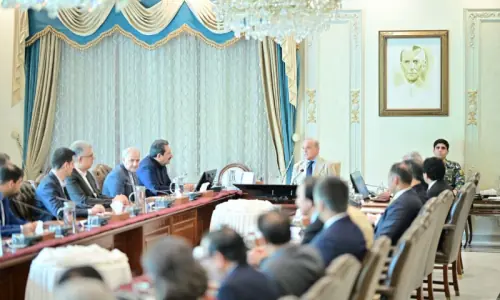
According to a press release, the dialogue had been arranged by Unesco in a concerted effort to promote the ethical and inclusive development of artificial intelligence (AI) in Pakistan that gathered more than 25 experts and representatives from key sectors.
The dialogue was in relation to global commemoration of World Press Freedom Day, highlighting the critical intersection of AI, media freedom and journalist freedom.
The participants underscored the need for a human-centered and rights-based approach to AI development that is also at the core of Unesco’s global recommendation on the ethics of AI, adopted in 2021.
The stakeholders engaged in interactive discussions around the five strategic pillars of Pakistan’s draft national AI policy.
They identified practical policy gaps and collectively proposed a set of preliminary policy recommendations.
Head of the United Nations Resident Coordinator’s Office in Pakistan Afke Bootsman emphasised the importance of ensuring that the transformative potential of AI was guided by the principles of inclusion, equity, and human rights. She further highlighted that the UN reflected a strong commitment to leaving no one behind in the digital era.
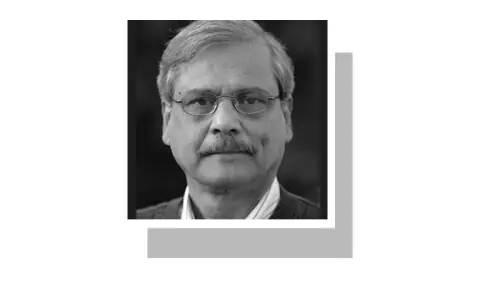
This initiative came at a critical moment in Pakistan’s digital transformation journey,” explained Dr Aneel Salman, a renowned policy and governance expert.
He further stated, “A well-crafted policy is essential to harness the transformative power of AI for inclusive growth, safeguard democratic values, and build lasting trust in institutions.”
Officer-in-Charge of the Unesco Office in Pakistan Antony Kar Hung Tam reiterated Unesco’s long-term support, stating: “The insights gathered through today’s dialogue will play a critical role in advancing an ethical, inclusive, and sustainable AI policy for Pakistan.”
National Professional Officer Communication of Unesco Office in Pakistan Hamza Khan Swati linked the dialogue to the theme of this year’s World Press Freedom Day, and spotlighted on how AI can both empower and endanger media freedom.
“Unesco is committed to ensuring that AI development is human-centered, promotes transparency and accountability, and prioritizes ethical considerations especially with regards to media independence and development,” he said.
The outcomes of the dialogue will feed into the ongoing consultations around five strategic pillars of the draft national AI policy.
The preliminary policy recommendations will serve as a foundation for refining the policy draft and guiding the implementation strategies that align with Pakistan’s broader digital governance goals.
Published in Dawn, May 9th, 2025