0
0

LAHORE: The International Water Management Institute (IWMI) says a lack of water accountability and budgeting information is a significant barrier to the effective use of water resources in Pakistan.
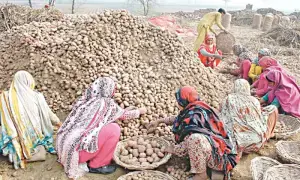
It points out that water scarcity poses a major challenge in Punjab, jeopardising agricultural production, food security and the livelihoods of rural communities.
“We focus on both the quality and quantity of water for its usage and have begun working to guide farmers towards better results,” said Dr Mohsin Hafeez, the IWMI’s director of water, food, and ecosystems and leader of the Water Resource Accountability in Pakistan (WRAP), during a media awareness meeting here.
In Pakistan, ongoing challenges in water management include the absence of reliable annual water accounts, essential for detailing water availability — covering surface water, groundwater and rainfall—as well as their various uses in domestic, industrial, agricultural and environmental contexts within the Indus Basin.
Providing a comprehensive overview of the water situation in Punjab and excessive installation of tube wells, Dr Hafeez compared the farmers in India and Bangladesh, noting they were 15 years ahead of their Pakistani counterparts.
“The governments in those countries support the farmers by allowing them to send energy back to the grid, which compensates them for their energy expenses in crop production, while the farmers there have also diversified their income sources by establishing poultry farms and other ventures in addition to farming.”
Dr Hafeez emphasized the urgent need for proper guidelines to educate the farmers on efficient irrigation practices that considered both the quantity and quality of water.
Referring to drought warnings from the Pakistan Meteorological Department, he mentioned that national guidelines for water accounting, water resource assessment, early drought warning systems and crop insurance systems were being developed.
Dr Jahanzeb Masud Cheema, a water resources management researcher at the IWMI, stressed the collaboration among departments, addressing water management both at federal and provincial levels.
He called for a holistic approach and emphasized addressing missing elements such as groundwater and crop water use in mapping the journey of water from source to destination.
Dr Sarfraz Munir, the regional researcher at the IWMI, shared his insights into the latest technology and its benefits for farmers in assessing the quality and quantity of water utilised.
Published in Dawn, March 29th, 2025