Pakistan has reiterated that it will continue to take “all necessary measures” to protect the country from terrorist outfits in Afghanistan, calling out Kabul for “failing” to address the threat posed to the region.
Relations between Pakistan and Afghanistan have been strained due to frequent border skirmishes and Islamabad repeatedly demanding that Kabul take action against the banned Tehreek-i-Taliban Pakistan (TTP) for using Afghan soil to launch attacks in Pakistan. Kabul denies the allegations.
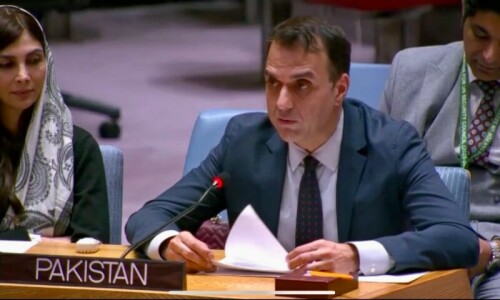
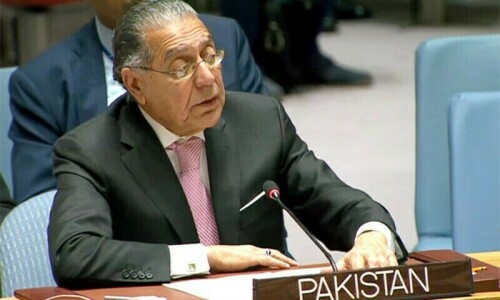
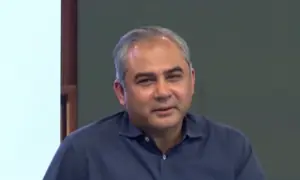
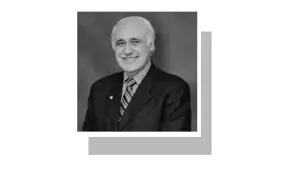
Speaking during the UN Security Council (UNSC) briefing on Afghanistan in New York yesterday, Pakistan’s Permanent Representative to the UN Ambassador Munir Akram stated: “Pakistan will continue to take all necessary measures to eliminate the terrorist threats to our national security in accordance with our right to self-defence under international law and in accordance with the relevant resolutions of the Security Council.”
He asserted that the Kabul authorities had “failed to address the threat posed to the region and beyond by other terrorist groups, such as Al-Qaeda, the TTP and Baloch terrorists, including the BLA (so-called Balochistan Liberation Army) and the Majeed Brigade, which are present in Afghanistan”.
“The TTP, with 6,000 fighters, is the largest designated terrorist organisation operating from Afghanistan,” the ambassador highlighted.
The banned outfit was “perceived as enjoying Kabul’s patronage” and was fast emerging as an umbrella organisation for regional terrorist groups, the envoy reiterated his warning from last year.
He said that Pakistan had the evidence against Kabul authorities that they “not only tolerated but are complicit in the conduct of TTP’s terrorist cross-border attacks”.
Akram further stated that the TTP was collaborating with other terrorist groups present in Afghanistan, like the BLA and the Majeed Brigade, adding that the latter sought to destabilise Pakistan’s ties with China.
“The TTP also receives external support and financing from our principal adversary,” the envoy said in an apparent reference to India.
Akram continued: “Pakistan has faced the adverse impacts of the series of crises Afghanistan has lived through, during the past 40 years — hosting millions of Afghan refugees, infected by its extremist groups and the inflow of arms and drugs.”
“In the 20-year conflict, which ended in 2021, Pakistan consistently advocated engagement and sought to broker an inclusive peace,” he said, referring to the United States’ withdrawal from Afghanistan.
During his address, the ambassador also spoke on the restrictions on women and girls in Afghanistan, stating that the restrictions were also against Islam. “The human rights situation in Afghanistan is another self-inflicted injury,” he said.
According to the 35th report of the Analytical Support and Sanctions Monitoring Team submitted to the UNSC last month, Afghan Taliban’s continued support for TTP was fuelling the group’s escalating attacks in Pakistan.
The “scale of outfit’s attacks in Pakistan has increased significantly” and the “status and strength of TTP in Afghanistan had not changed”, the UN report noted.
It further confirmed that the Afghan Taliban continued to provide the outlawed TTP with “logistical and operational space and financial support, bolstering the group’s capacity to sustain its activities”.
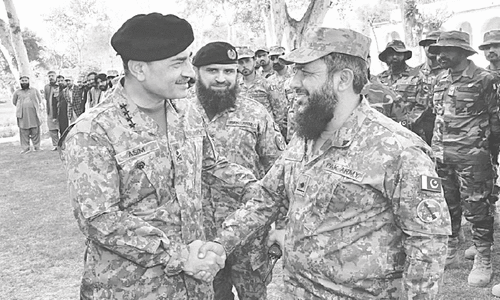
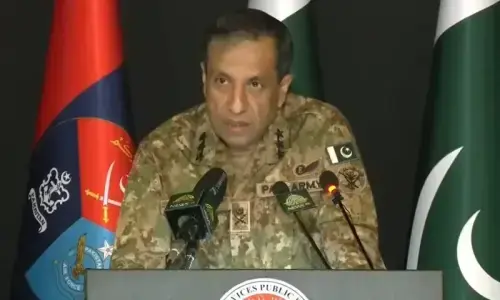
In January this year, Chief of Army Staff General Asim Munir had said the only point of contention between Pakistan and Afghanistan was the presence of the TTP and cross-border attacks.
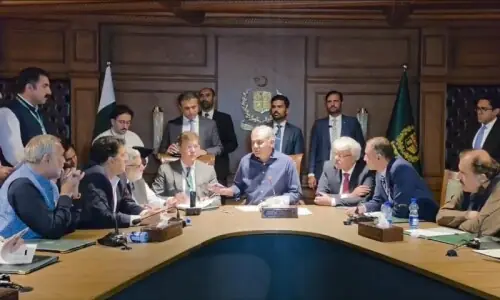
The month before that, Prime Minister Shehbaz Sharif, while reiterating his call for improved relations with Afghanistan, had also emphasised that the administration in Kabul must rein in the TTP first.
In November 2022, the TTP broke a fragile ceasefire agreement with the Pakistani government, vowing to escalate attacks across the country and target police, security forces, and other law enforcement agencies (LEAs).
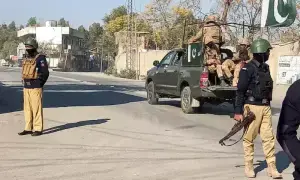
Amid escalating attacks, Pakistan has intensified military operations under “Azm-i-Istehkam”, targeting TTP hideouts across the Afghan border, particularly in Paktika and Khost. These military measures include cross-border raids and retaliatory strikes.