0
0

• Extension of $2bn loan deadline comes amid Pakistan-IMF talks
• Govt official says move to ‘strengthen govt’s position’ during negotiations
• Development to also help maintain forex reserves, keep rupee stable
ISLAMABAD: China has extended the repayment period of a $2 billion loan to Pakistan by one year, offering much-needed financial relief and helping stabilise the country’s foreign exchange reserves.
A senior official at the Ministry of Finance confirmed the development on Saturday, calling it a key financial support measure from China.
The $2bn loan, originally due for repayment on March 24, has now been deferred as part of China’s commitment to Pakistan’s economic stability and recovery efforts.
“This extension provides Pakistan with a financial cushion at a time when repayment of $2bn would have been a serious challenge,” the finance ministry official told Dawn, adding that the development would also help keep the rupee stable by maintaining foreign exchange reserves.
Khurram Schehzad, the adviser to the finance minister, also confirmed the rollover approval by China, according to Reuters.
Pakistan is working to strengthen its finances after securing a $7bn International Monetary Fund (IMF) bailout in September 2024. The first instalment of the loan is currently under review, and if successful, Pakistan will receive an additional $1bn.
Securing external financing has previously been a key condition for the IMF to approve bail-out deals for Pakistan.
The country needs to repay over $22bn in external debt in fiscal year 2025, including nearly $13bn in bilateral deposits, according to the credit rating agency Fitch.
With limited reserves and high external debt repayments, Pakistan has struggled to meet its international financial obligations while also maintaining economic stability.
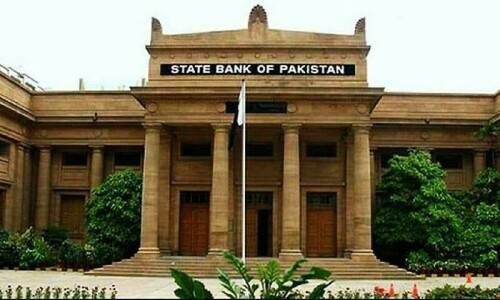
According to the State Bank of Pakistan’s (SBP) latest data, the country’s total foreign exchange reserves as of Feb 28 stood at $15.87bn, of which $11.25bn is held by the central bank and $4.62bn by commercial banks.
Around the same time last year, the country’s total foreign exchange reserves were $13bn, with SBP holdings at $7.9bn — indicating a significant improvement over the past year.
Foreign exchange reserves are essential for paying off international debt obligations, supporting the value of the national currency and ensuring economic stability in times of financial crisis. A decline in reserves can lead to currency depreciation, making imports more expensive and leading to inflation.
Pakistan has long struggled with a balance of payments (BoP) crisis — a situation when a country spends more foreign currency than it earns — relying on international loans and support from allies like China, Saudi Arabia and the IMF to prevent an economic collapse.
Through the China-Pakistan Economic Corridor (CPEC) and other investment projects, China has been a key economic partner for Pakistan. Beijing has invested billions of dollars in infrastructure, energy and transportation projects, provided financial assistance to help Pakistan manage economic shocks and extended loan repayment deadlines to ensure macroeconomic stability.
‘Strong position’
The finance ministry official insisted that the latest rollover strengthens Pakistan’s economic position at a time when it is engaged in critical negotiations with the IMF.
Pakistan’s $7bn loan programme requires the country to implement economic reforms, maintain fiscal discipline and meet revenue and structural adjustment targets.
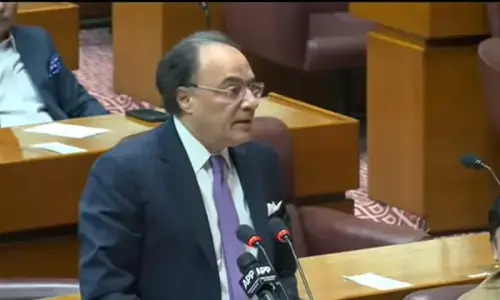
The IMF delegation, led by its senior representatives, is currently in Islamabad, meeting with Finance Minister Muhammad Aurangzeb.
Formal policy-level talks are set to begin on Monday (tomorrow), where an IMF staff mission led by Nathan Porter would review the overall economic situation and Pakistan’s commitments under the loan agreement. In earlier meetings, Pakistan has assured the IMF of its commitment to fiscal discipline and structural reforms, which are essential for securing further loan tranches.
The IMF delegation has been briefed on the country’s macroeconomic situation, revenue collection and progress on structural reforms. The government says it remains committed to meeting the conditions of its $7bn loan programme.
Published in Dawn, March 9th, 2025