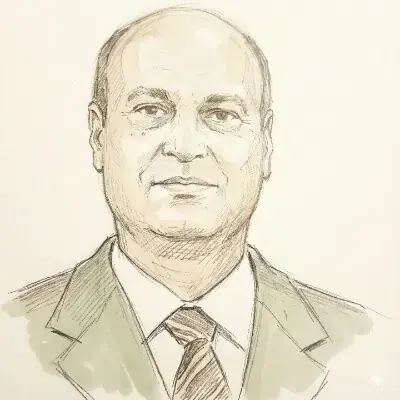
ISLAMABAD: Federal Minister for Law and Justice Azam Nazeer Tarar informed the Senate that the number of centres providing antiretroviral therapy (ART) in Pakistan has increased from 49 in 2020 to 94 by 2024.
Responding to a calling attention notice regarding the alarming rise in HIV cases, he assured that the government was fully committed to tackling the issue and considered it a serious public health concern. He said at least 94 screening and treatment centres were offering free testing and lifelong treatment services.
He said that 74,029 registered HIV patients were currently receiving treatment, with approximately 100 centres nationwide—serving an average of 750 patients per centre. “While this ratio is not entirely inadequate, further expansion would be beneficial,” he added. Emphasising the need for enhanced screening and testing capacity, he called for a more proactive approach to disease control.
He highlighted that early diagnosis played a crucial role in managing HIV, and advancements in treatment and preventive measures significantly reduced the stigma and fear associated with the disease.
He also underlined the government’s awareness initiatives, stating that religious scholars have been engaged in educational workshops to promote preventive measures.
The minister assured that the government, in collaboration with international partners and foreign aid agencies, was diligently working to strengthen healthcare interventions and combat the spread of HIV.
Meanwhile, Professor Ayesha Isani Majeed, head of the Radiology Department at Pakistan Institute of Medical Sciences (Pims), said that Pakistan was experiencing the second fastest rate of HIV increase in the Asia-Pacific region, largely due to the spread of the virus from key populations to the general population through sexual networks.
“According to The Lancet, HIV prevalence among the general population in Pakistan is estimated to be less than 0.1 percent, with around 165,000 people living with HIV. However, the epidemic is concentrated in key populations, including people who inject drugs (PWID), male sex workers, female sex workers, transgender individuals, and men who have sex with men,” Dr Isani said.
“HIV prevalence is notably higher among prison populations compared to the general public. Factors such as unprotected sex, substance abuse, and needle-sharing are prevalent in correctional facilities, placing inmates at significant risk for HIV, hepatitis, and other sexually transmitted infections (STIs). Despite these known risks, the situation of HIV in prisons has been largely unexamined, with previous surveillance efforts excluding prisoners from cross-country studies,” she said.
Senator Aon Abbasi
Regarding the arrest of Senator Aon Abbas Bappi, the law minister informed the Senate that he was detained in connection with a wildlife-related case. He said verification was underway to determine whether the arrest was legally justified.
“If the arrest was conducted as per legal procedures, the individual should be presented before a magistrate, and the bail process should proceed accordingly,” he said, adding that his primary concern was ensuring no unlawful detention had taken place.
Published in Dawn, March 7th, 2025