0
0

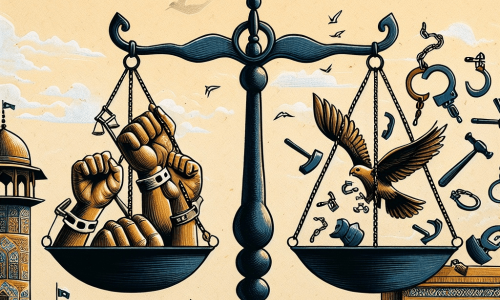
IT sometimes appears as if those struggling for an independent judiciary have needlessly burdened themselves with preserving the institution’s prestige. When the top judges of the country have few concerns about public perceptions, it seems futile to worry endlessly about institutional integrity. ‘Que sera, sera’, as they say.
Ever since the 26th Amendment, matters seem to have gone according to script without a hitch. Judges perceived as being ‘too independent’ or holding views opposed to the ruling regime’s policies appear to have been systematically sidelined and substituted by individuals seemingly more acceptable to the regime. There has been little transparency about why certain judges have been transferred from one high court to another or why certain judges have been elevated while others have not.
Meanwhile, a disturbing pattern has emerged, with capable judges being denied promotions apparently over their unwillingness to compromise on judicial autonomy and refusal to kowtow to the powers that be.
That all this has continued unchecked despite loud voices of protest being raised from within and without the institution is disappointing. One wonders whether the institutional leadership realises the long-term ramifications of the ongoing ‘remaking’ of the judiciary.
A perception has already built up that the courts are being packed with ‘like-minded’ judges so that the regime can secure legal endorsement for its widely criticised actions and policies.
Ideally, this perception should have been actively avoided; instead, several judges have participated in the decision-making process, which has provided critics with yet another indictment of the present state of the judiciary.
It seems particularly pertinent to point out that while the judges who have found favour with the ruling regime may be very capable, they are quite likely to find it difficult to gain the public’s trust and respect given the circumstances in which they have been handed their responsibilities. The nation does not remember the PCO judges kindly.
Where will this leave the nation? When the institution meant to dispense justice loses public trust in its integrity, to whom do the people turn? This is a worrying question that has been raised before but does not seem to have registered.
It is disquieting that very few of those in important positions seem to think long enough about their decisions and the consequences. There are good reasons why political scientists and philosophers alike have stressed the tripartite distribution of state power: it is an essential ingredient in ensuring sociopolitical stability. Any disequilibrium in the division of power has far-reaching effects, as has been witnessed in the past both at home and in some neighbouring countries.
Alas, with reason and rationality in retreat, reflections on actions and consequences no longer seem to matter. One can only hope for sense — and sensibility.
Published in Dawn, February 12th, 2025