• New proposal suggests shifting immigration duties from FIA to Passports and Border Control Authority
• Past attempts had stalled due to passport-related challenges
ISLAMABAD: Despite a setback last year, and amid the ongoing rightsizing exercise, the government is actively working on the creation of a new Passports and Border Control Authority (PBCA), which will take over all responsibilities related to immigration and border security under a single command.
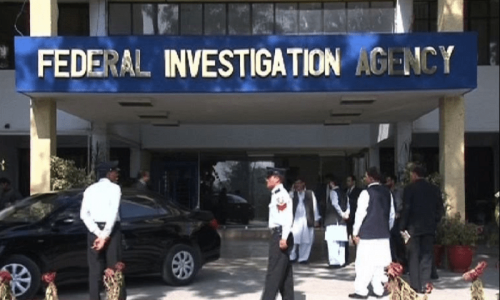
A formal proposal seen by Dawn suggests clipping some functions of the Federal Investigation Agency (FIA), particularly those pertaining to the Immigration Wing, and absorbing all responsibilities of the existing Directorate General of Immigration & Passports with an upgraded leadership.
Last year, an attempt to create a similar ‘Pakistan Immigration, Passports and Visa Authority’ (PIPVA) was dropped, reportedly due to resistance from police officers who hold greater representation in the FIA, although spadework had been completed, including the finalisation of the bill for its establishment.
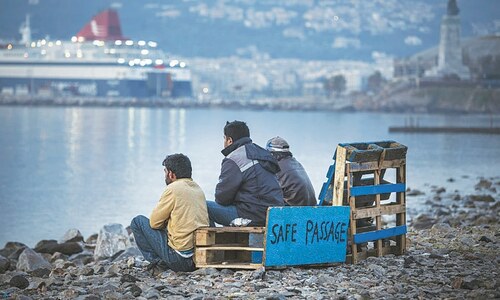
The recent episodes of human trafficking, leading to a high number of deaths in tragic conditions, coupled with an increasing number of border crossings by unwanted entrants from Iran, Afghanistan and India, have not only revived the move but also galvanised it as a national security issue.
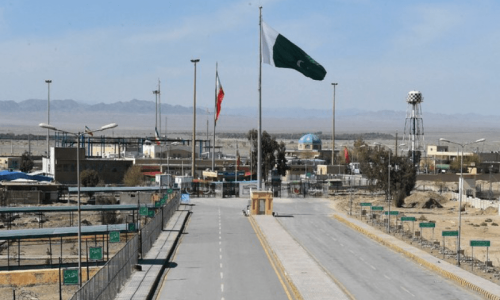
Informed sources said that while the armed forces and some civil law enforcement agencies typically man over 7,500km of borders with neighbouring countries, in addition to more than 1,000km of coastlines, approximately 16-18 entry and exit points require even greater vigilance.
An official said the previous two attempts to create the new authority were primarily focused on passport-related challenges, which led to their blockage. However, the proposal has now evolved into a matter concerning national security, human trafficking and smuggling of goods.
The proposal claims that the FIA currently oversees both immigration functions and white-collar crime investigations, leading to inefficiencies, corruption and the exploitation of vulnerable migrants.
“Tragically, this has contributed to the loss of many Pakistani lives due to illegal immigration attempts,” the official said.
Given the urgency, Prime Minister Shehbaz Sharif is expected to take a lead role in driving the necessary reform to overcome bureaucratic delays and ensure swift implementation of meaningful changes to protect citizens.
The essence of the proposal is to establish an upgraded and autonomous authority to manage immigration and border security, as seen in many other countries, while allowing the FIA to focus on investigating white-collar crimes and money laundering.
The argument is that several regional countries, including India, Bangladesh, Iran, China, Tajikistan, Afghanistan and Turkiye, have adopted similar structures to ensure efficiency.
For example, India has a Bureau of Immigration to manage immigration, while the CBI handles white-collar crimes. Bangladesh separates immigration and passport controls from the anti-corruption commission.
In Iran, the immigration and passport police govern immigration, while the Economic Crimes Police handles financial crimes. Similarly, China has a separate National Immigration Administration, and Turkiye’s Directorate General of Migration Management oversees immigration, while the Financial Crimes Investigation Board handles financial crimes and money laundering.
“The current system, where immigration and law enforcement overlap, is ineffective and vulnerable to corruption. A separate PBCA would ensure better border control, reduce human trafficking, and prevent further tragedies,” the proposal claims.
To ensure speedy implementation, the relevant authorities are seeking passage of the bill for legislative coverage within a month.
To address concerns within the bureaucracy, the proposal suggests appointing a grade-22 officer of the civil service to lead the authority, followed by at least three grade-21 officers for the central, southern and northern borders.
There would also be a series of (at least six) grade-20 director-level officers from the police at all entry-exit points, with three brigadier commanders directly leading the borders with Afghanistan, Iran, China and India, including the areas of Azad Jammu and Kashmir and Gilgit-Baltistan. Each director would be supported by personnel with military or administrative service experience to ensure operational efficiency.
About two months after the legislation, the authority is expected to be up and running within six months, with a transition of force from the FIA occurring within two months.
Published in Dawn, January 21st, 2025