0
0

PESHAWAR: The Khyber Pakhtunkhwa government will pilot a project to strengthen primary health system and provide treatment facilities to patients at basic health units and prevent occurrence of major diseases.
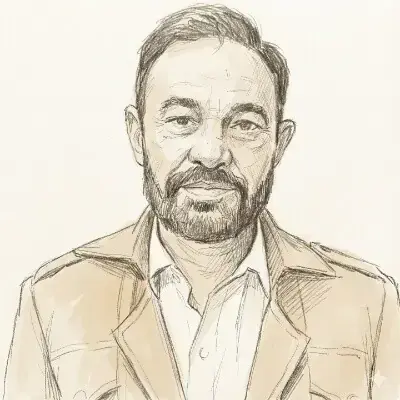
“We are going to select a district where the programme will be piloted at the primary healthcare facility level. The move is meant to reduce communicable and non-communicable diseases through early interventions,” Dr Amjad Ali Khan, focal person to chief minister on health, told Dawn.
He said that currently not only Khyber Pakhtunkhwa but the entire country was facing host of ailments, most which were curable at early stage provided a mechanism was put in place to provide healthcare services to patients.
“Pakistan is on the top in polio cases and second in diabetes and hepatitis while the child mortality in the country is highest in the world. The deaths of mothers from pregnancy-related complications are a big issue, mostly because we lack a system under which people get healthcare services on sustainable basis,” he said.
Focal person says the scheme will be extended to other districts in phases
Dr Amjad, the MNA of Pakistan Tehreek-i-Insaf from Swat district, said that under the plan the government would select one or two districts where BHUs would be developed to the extent that all the patients with non-emergency health issues would arrive there to seek treatment.
“There are more than 200 family physicians with degrees from Khyber Medical University in family medicines and we want to utilise their expertise in putting brakes on major ailments,” he said. He said that the problem was that people visited tertiary care hospitals directly for minor problems, which not only overburdened teaching hospitals but patients also suffered by spending more money and covering a long distance.
“Once we strengthen basic health system, they will benefit patients and burden on teaching hospitals will be reduced. Doctors will concentrate on chronically-ill patients,” he said. He added that the new intervention also included a proper referral system and patients would be sent from primary to secondary and tertiary care hospitals through that system and they would not be required to go directly to teaching hospitals.
As per the plan, if a patient needs secondary care services, he or she will be referred by doctors as opposed to the current practice in which people visit hospitals on their own.
“BHUs will be responsible to provide treatment to people in their catchment areas and people from other areas wouldn’t be allowed to go there,” he said.
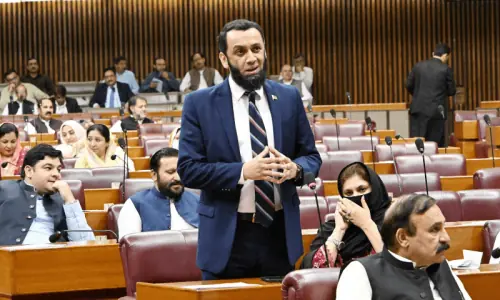
Dr Amjad, who is also a member of National Assembly’s Standing Committee on Health, said that the measure was significant because in secondary and tertiary hospitals the provincial government was providing free health survives to people on Sehat Card Plus. He said that there a need to provide doctors, staff and medicines to primary health setting so that patients started visiting those facilities.
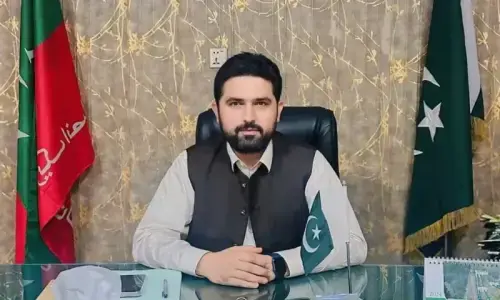
“Chief Minister Ali Amin Khan Gandapur has issued instructions to strengthen basic health units because in most of the cases minor diseases snowball into major health issues if not treated at the earliest,” he said.
He said that there would be specific software, which would be used to maintain record of patients. He said that it would be a community-based initiative and would be extended to other districts in a phase-wise manner.
The lawmaker said that worldwide statistics showed that the country with lesser burden of diseases had best primary health systems. “We have decided to strengthen our primary health outlets for providing better treatment services to people. For this, we will take on board the respective communities,” he added.
Published in Dawn, January 18th, 2025