Double moonshot launch sends US, Japanese landers into space


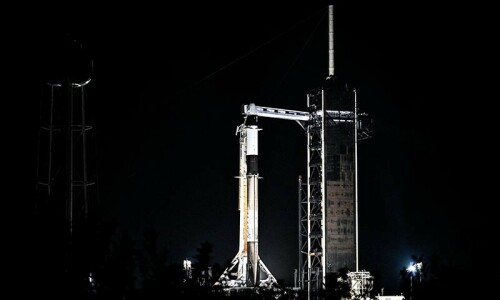
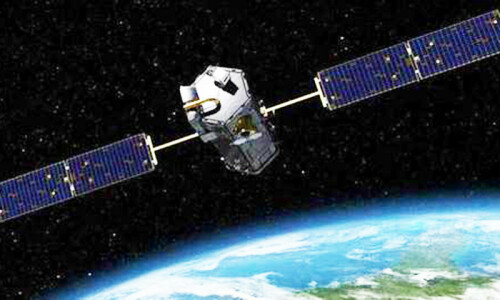
ORLANDO: Two moon landers, one from Japan’s ispace and another from US space firm Firefly, began their journeys into space on Wednesday with SpaceX’s unusual double moonshot launch, underscoring the global rush to examine the lunar surface.
Japanese moon exploration company ispace launched its Hakuto-R Mission 2, making its second attempt to land on the moon after an initial mission in April 2023 failed in its final moments because of an altitude miscalculation.
Texas-based Firefly Aerospace launched its first moon lander, Blue Ghost, making it the third company to launch a moon lander under Nasa’s public-private Commercial Lunar Payload Services (CLPS) programme.
About 300 ispace staff, families and partners clapped and cheered as SpaceX’s Falcon 9 rocket carrying the landers blasted off from Florida at 3:11pm Japan time (11:11am PKT).
The rocket released Blue Ghost on schedule about an hour after liftoff, and ispace’s lander Resilience about 30 minutes after that.
Speaking after the separation, ispace CEO Takeshi Hakamada praised the company’s determination to try again after 2023’s failure.
“A moon landing is not a dream but it has become a reality and a success would be a huge, huge step forward for ispace,” he told reporters.
Intuitive Machines’ moon landing last year, albeit lopsided and partially unsuccessful, marked the first private company and the first CLPS mission to touchdown on the moon.
An earlier attempt by CLPS member Astrobotic’s lander failed shortly after launch.
Countries and private companies worldwide have been focused on the moon in recent years for its potential to host astronaut bases and hold resources that could be mined for in-space applications, making Earth’s natural satellite a stage for national prestige and geopolitical competition akin to the Cold War-era space race.
Resilience is carrying $16 million worth of customer missions and six payloads in total, including an in-house “Micro Rover” that will deploy from the lander and collect lunar samples, said ispace Executive Business Director Jumpei Nozaki in an interview.
Published in Dawn, January 16th, 2025