India announces state funeral for former PM Manmohan Singh

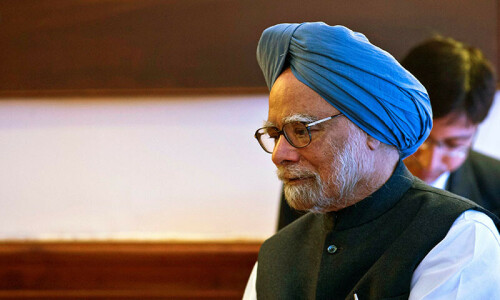
India announced seven days of state mourning on Friday after the death of former prime minister Manmohan Singh, one of the architects of the country’s economic liberalisation in the early 1990s.
Singh, who held office from 2004 to 2014, died at the age of 92 late on Thursday evening at a hospital in New Delhi. He will also be accorded a state funeral.
“As a mark of respect for the departed dignitary, it has been decided that seven days of state mourning will be observed throughout India,” the Indian government said in a statement on Friday, with mourning running until January 1.
“It has also been decided that the state funeral will be accorded to late Dr Manmohan Singh,” it said, with the national flag fluttering at half-mast on official buildings across the country.
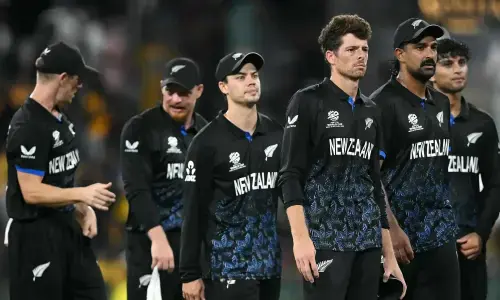
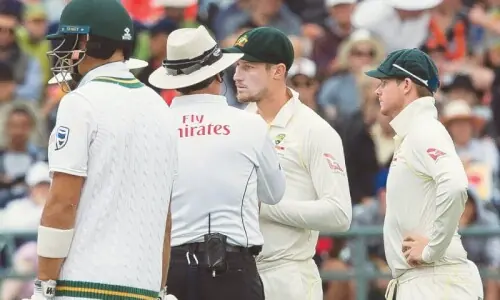
India’s cricket team battling hosts Australia in the fourth Test took to the ground in Melbourne on Friday with black armbands to show respect for Singh.
The official date for the state funeral was not announced immediately but a senior member of the Congress party suggested it would be held on Saturday.
Prime Minister Narendra Modi said India “mourns the loss of one of its most distinguished leaders”, while newspapers hailed his legacy.
“Man who liberated India’s dreams,” The Times of India front page read.
“He opened India to the world,” The Indian Express headline ran.
Understated technocrat
The former premier was an understated technocrat who was hailed for overseeing an economic boom in Asia’s fourth-largest economy in his first term.
However, Singh’s second stint ended with a series of major corruption scandals, slowing growth, and high inflation.
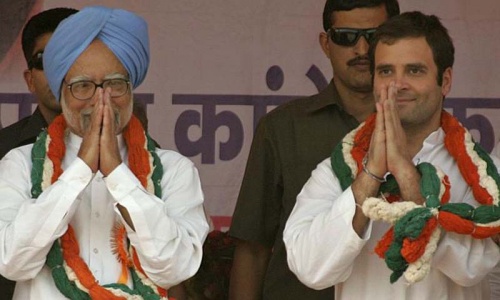
Singh’s unpopularity in his second term, and lacklustre leadership by Nehru-Gandhi scion Rahul Gandhi, the current opposition leader in the lower house, led to Modi’s first landslide victory in 2014.
Born in 1932 in the mud-house village of Gah, in what is now Pakistan, Singh studied economics to find a way to eradicate poverty in the vast nation and never held an elected post before taking the nation’s highest office.
He won scholarships to attend both Cambridge, where he obtained a first in economics, and Oxford, where he completed his doctorate.
Singh worked in a string of senior civil service posts, served as a central bank governor and also held various jobs with global agencies such as the United Nations.

He was tapped in 1991 by then Congress prime minister PV Narasimha Rao to reel India back from the worst financial crisis in its modern history.
Singh steered the economy through a period of nine per cent growth in his first term, lending India the international clout it had long sought.
He also sealed a landmark nuclear deal with the United States that he said would help India meet its growing energy needs.