0
0

KARACHI: There is a distinction between statelessness and refugee status, and in Pakistan there is a lack of a legal framework to address the issue concerning the citizenship of stateless Bengali population in the country, leaving them struggling with identity crises.
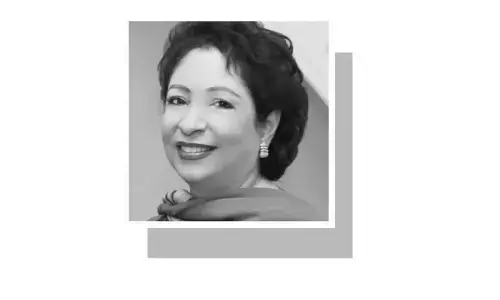
This was the key takeaway from a seminar, ‘Pakistan-Bangladesh Relations in the Backdrop of the Monsoon Revolution,’ held at the Pakistan Institute of International Affairs (PIIA) here on Monday. Dr Masuma Hasan moderated the session.
The panellists spoke of the issues of Bengalis that were displaced during the war of 1971 and are still living in Pakistan like refuges, and highlighted the events surrounding the separation of East Pakistan, which displaced millions of people.
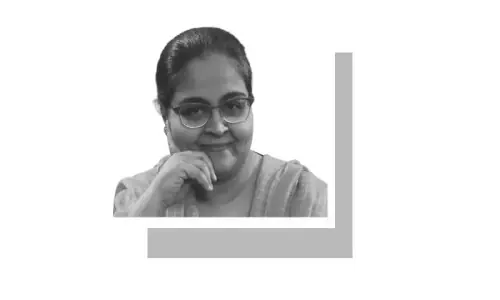
Advocate Tahera Hasan, founder of the Imkaan Welfare Organisation, that works on marginalised communities with a focus on statelessness, spoke about the difference between statelessness and refugee status, and lamented lack of legal framework in Pakistan to address the stateless Bengali population.
“It is very important to understand the difference between refugee status and statelessness,” she said, and explained the lack of a sense of belonging among Bengali communities due to citizenship and identity issues. “What does statelessness mean? Essentially, when a state doesn’t recognise you, you are considered stateless,” she explained.
“When we engage with Bengali communities, they often receive the same response from our people: ‘Go back to where you came from,’ without recognising that these individuals, who were likely displaced, cannot return to their place of origin because the state there does not accept them as nationals,” she said.
“Also, Pakistan doesn’t have the framework to recognise the existence of this stateless population,” she lamented. She then elaborated on the existence of laws related to birth right and citizenship, particularly in relation to communities that have migrated and continue to struggle for an identity.
“If we take a good look at our legal framework and Constitution, I personally believe we will be able to solve 80pc of the issues these communities are facing,” she said.
“Unfortunately, in Pakistan, there is no acknowledgment of statelessness, which is why there are numerous citizenship and identity crises rooted in systemic ethnic racism,” she concluded.
Rafiuzzaman Siddiqui, former High Commissioner of Pakistan to Bangladesh and Kenya, discussed the logistical challenges of the separation in the context of current Pakistan-Bangladesh relations. Drawing from history, he provided expert insights on policies that could help foster closer ties between the two countries.
Zafar Shafique, CEO of Paradise Group of Companies and member of the PIIA council, traced the history of the incident and emphasised that the relationship between the two nations is far more complex than it may seem.
“The separation of a part of a country is a complicated process that cannot be understood through economic analysis alone,” he added, emphasising that we must acknowledge the interconnectedness of the economic, social, and human dimensions when discussing the separation of East Pakistan.
“The complex separation is woven with stories—stories that cannot be understood through mere economic geography or political matters,” he said, reciting a famous stanza by Faiz Ahmed Faiz, written shortly after the fall of Dhaka.
Dr Syed Humayun, former chairperson of the department of public administration in Karachi University, also spoke.
Published in Dawn, December 17th, 2024