0
0

KARACHI: Amid a record stock market rally, receding food inflation, low current account deficit and improving foreign investment, trade and industry leaders have expressed concerns that the rising political uncertainty, deteriorating security situation and high cost of doing business are forcing local industrialists to switch over their businesses to foreign countries.
They urged the government and the political parties to settle their lingering disputes. Otherwise, the flight of capital will cost local jobs and future investment.
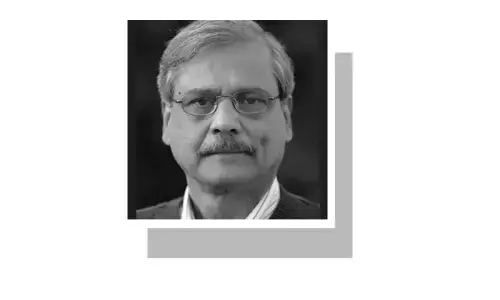
Karachi Chamber of Commerce and Industry (KCCI) President Mohammad Jawed Bilwani said the political turmoil has shaken the confidence of local business people and foreign investors, who have also lost hope that the political crisis will ever be over.
“After getting fed up with political uncertainty and economic issues, it is alarming that many businessmen are leaving Pakistan to set up their ventures abroad, thanks to a pleasant working environment with an uninterrupted supply of power, gas, water, etc.,” he said.
Companies moving abroad due to rising cost of doing business and insecurity
He added that people seldom return after leaving the country.
Mr Bilwani said investors have also lost “trust” in the ruling and opposition parties and even the establishment as it couldn’t play a significant role in ensuring political stability and reducing unprecedented power, gas and water tariffs, which have been the highest compared to other countries.
He said the UAE government takes a couple of days to clear investors’ requests to set up any unit, and in a week, the investors start constructing the factory. In contrast, local investors in Pakistan run from pillar to post for over a year to get approval for industrial set-up.
“I do not foresee a bright future for trade and industry under the high cost of production and political tension,” the KCCI chief said, adding that “Pakistan needs the Turkish model of democracy.”
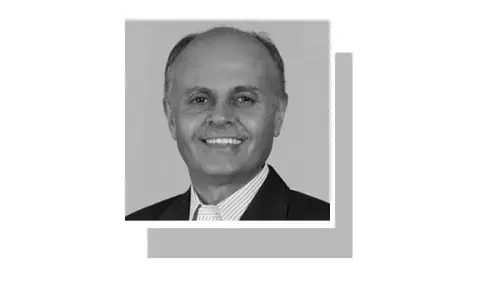
Pakistan Business Council (PBC) Chief Executive Ehsan Malik said that for investors anywhere, the most important factors are policy continuity, stable government, and the physical safety of employees, goods, and other assets.
“In Pakistan, the additional factors are the high cost of energy, the disproportionate burden of taxes on the formal sector, an unlevel playing field versus the informal sector, affordability and availability of suitable land and utilities and a bureaucratic red tape,” he said.
Other than the restoration of movement of people and goods, which was impacted by the recent political upheaval, which is a relief, none of the other factors affecting investment have changed or are likely to soon, Ehsan deplored.
“It is important to differentiate between existing and new investors. The former have seen worse times and developed resilience to overcome temporary disruptions. The new investors would be put off by the siege of the capital and large cities in Punjab,” he said. He added that these include MNCs contemplating establishing back offices for their global operations in Pakistan, for which high-speed, reliable internet continuity is vital but absent.
He said that to improve the investment climate, political parties need to develop a consensus on the economy. Perversely, the only consensus they presently have is to make doing business, both difficult and costly.
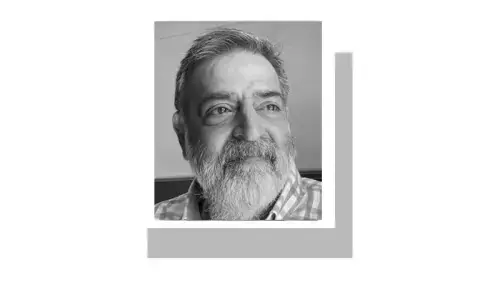
North Karachi Association of Trade and Industry (NKATI) President Faisal Moiz Khan said the political uncertainty hurts trade and the economy. “Despite some positive trends in certain economic indicators, the overall sentiment remains cautious,” he said.
Local and foreign investors are worried about the political crisis, which is affecting their confidence in investing in Pakistan. The current situation is not only deterring foreign investment, but also causing a decline in domestic investment, he said.
The political instability is leading to a decrease in consumer spending, which in turn is affecting businesses, particularly small and medium-sized enterprises. To ensure a stable political environment, he suggested that the government and opposition parties should engage in a meaningful dialogue to resolve their differences and work towards a common goal.
Institutions such as the judiciary, election commission, and accountability bodies should be strengthened to ensure the rule of law and accountability, Faisal said, urging the government to focus on implementing economic reforms to improve the business environment, increase investment and create jobs.
The NKATI chief urged the government to encourage private sector growth by providing incentives, simplifying regulations and improving access to finance.
Published in Dawn, November 28th, 2024