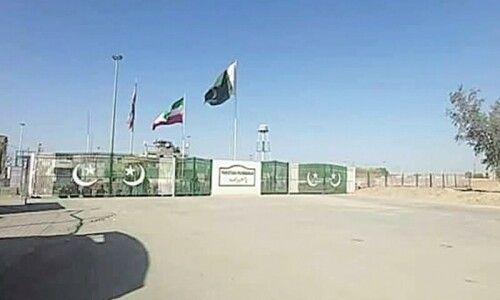
QUETTA: A shutter-down strike was reported in various border towns of the Rakhshan and Makran divisions in protest against the restrictions on border trade and the closure of border points along the Pakistan-Iran border.
The closure has disrupted the supply of Iranian petroleum products and goods into Pakistan, leading to widespread unrest and rendering thousands of people jobless.
The Rakhshan and Makran Border Trade Alliance had called for a complete shutdown in towns such as Washuk, Panjgur, Nokundi, and other border areas to protest the three-day weekly halt in border trade and the restrictions on oil transportation. Markets, hotels, banks, and other businesses remained closed, severely crippling trade and business activities in these border towns.
According to alliance officials, the residents of these areas rely entirely on border trade for their livelihood, as opportunities for agriculture and industry are limited. The closure of the trade points has deprived thousands of families who depend on Iranian oil and other border trade for their income.
In Nokundi, the closure of the Pakistan-Iran border has disrupted the transport of essential goods, putting additional strain on both traders and residents. Trade union leaders have also lamented that security checkpoints have exacerbated their difficulties, causing delays and financial losses.
In Panjgur, trade leaders condemned the border restrictions, stressing that generations of livelihoods and the local economy are dependent on this cross-border trade.
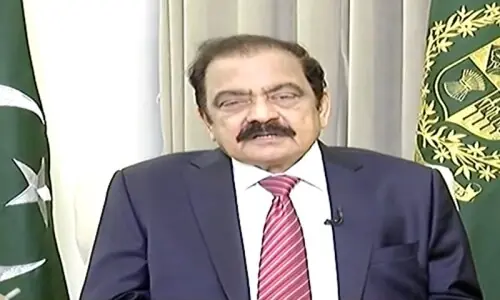
Former Senate chairman and Balochistan Assembly member Mohammad Sadiq Sanjrani has expressed concern over the closure of trade points at the border.
He urged the government to introduce a modern regulatory system for border trade, rather than imposing blanket closures. He warned that restricting livelihoods could push the youth toward anti-state elements, given the dire economic situation.
He emphasised the critical importance of border trade as the primary source of income for people living near the borders of Balochistan and Khyber Pakhtunkhwa. The closure of these trade routes has further intensified poverty and despair, particularly in Balochistan, where the fragile economy cannot bear additional unemployment and hardship.
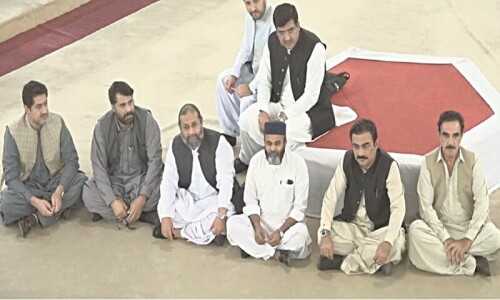
The protesters demanded that the government review its decision on border trade, reopen the borders, and prioritise the economic stability of Balochistan. They viewed the closure as an economic “death sentence” and urged the authorities to support sustainable development rather than stifling the livelihoods of thousands.
Published in Dawn, November 19th, 2024