Afghan Taliban eye aid at their first UN climate talks

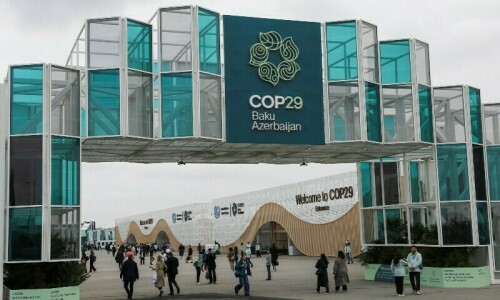
BAKU: The first Afghan official to attend UN climate talks since the Taliban came to power has said that his country hopes to benefit from a global finance deal under negotiation at COP29 in Baku.
Heading a three-person team, former Taliban negotiator Matiul Haq Khalis stood out in the bustling halls of the conference in Azerbaijan’s capital where delegates from nearly 200 countries began two weeks of talks, on Monday.
The Taliban-led government, which is not internationally recognised, tried and failed to attend the previous COP (Conference of the Parties) meetings held in Egypt and the United Arab Emirates.
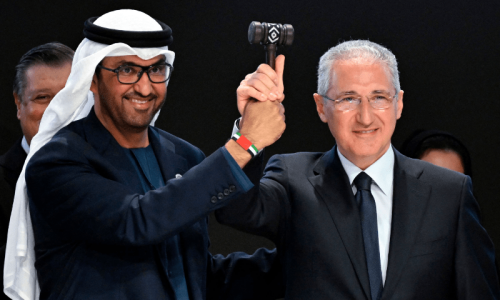
Khalis, director general of Afghanistan’s National Environmental Protection Agency (NEPA), said his team was invited to attend the talks by Azerbaijan’s ecology minister and COP29 president Mukhtar Babayev.
The delegation is in Baku as “guests” of the hosts, and not as a party directly involved in the negotiations.
“I really appreciate” Babayev’s invitation and the Azerbaijani government’s facilitation of visas, said Khalis. His delegation, he told AFP through an interpreter, aims to “deliver the message … to the world community that climate change is a global issue and it does not know transboundary issues.”
With Afghanistan among the countries most vulnerable to global warming, the Taliban have argued that their political isolation should not bar them from international climate talks.
Khalis said COP29 participants should take into consideration vulnerable countries such as Afghanistan, which are most affected from the effects of climate change, in their decisions. “Our people in Afghanistan also should access” such funds “as a right (over) climate change”, Khalis said, describing it has his country’s “main expectation” at COP29.
The Taliban treatment of women, however, could be controversial at climate conferences where gender rights always play a part of the discussions.
Asked about the gender issue, Khalis told AFP that the implementation of climate change projects “boost” women as well.
Azerbaijan’s COP29 presidency did not immediately respond to a request for comment on the invitation. Azerbaijan reopened its embassy in Kabul in February this year, though it has not officially recognised the Taliban government.
Published in Dawn, November 12th, 2024