0
0

ISLAMABAD: A new report by the World Health Organisation (WHO) finds that vaccines against 24 pathogens could reduce the number of antibiotics needed by 22pc or 2.5 billion defined daily doses globally every year, supporting worldwide efforts to address antimicrobial resistance (AMR).
While some of these vaccines are already available but underused, others would need to be developed and brought to the market as soon as possible.
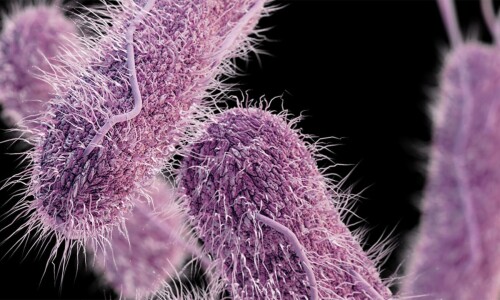
The AMR occurs when bacteria, viruses, fungi, and parasites no longer respond to antimicrobial medicines, making people sicker and increasing the risk of illness, death and the spread of infections that are difficult to treat.
The AMR is driven largely by the misuse and overuse of antimicrobials, yet, at the same time, many people around the world do not have access to essential antimicrobials. Each year, nearly 5 million deaths are associated with AMR globally.
The new report expands on a WHO study published in BMJ Global Health. It estimates that vaccines already in use against pneumococcus pneumonia, haemophilus influenzae type B (Hib), a bacteria causing pneumonia and meningitis) and typhoid could avert up to 106,000 of the deaths associated with AMR each year.
An additional 543,000 deaths associated with AMR could be averted annually when new vaccines for tuberculosis (TB) and Klebsiella pneumoniae, are developed and rolled out globally.
While new TB vaccines are in clinical trials, one against Klebsiella pneumoniae is in early stage of development.
“Addressing antimicrobial resistance starts with preventing infections, and vaccines are among the most powerful tools for doing that,” said Dr Tedros Adhanom Ghebreyesus, WHO director-general. “Prevention is better than cure, and increasing access to existing vaccines and developing new ones for critical diseases, like tuberculosis, is critical to saving lives and turning the tide on AMR.”
Strategy to halt polio cases
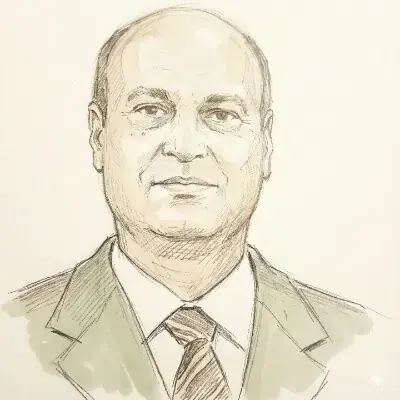
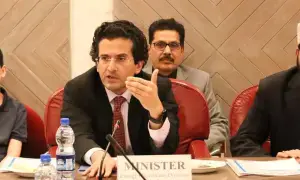
Meanwhile, Dr Mukhtar Ahmad Bharath, prime minister’s health coordinator, has said that all possible efforts will be made to halt poliovirus spread.
Chairing a meeting to review progress in the wake of non-stop increase in polio cases across the country, he said children who missed vaccinations all together were experiencing severe disease manifestations.
“Conversely, children receiving inadequate doses of the vaccine still remain susceptible to the virus, albeit with much milder illness. All parents should fulfil religious obligations to protect their children against all vaccine preventable diseases including polio,” he said.
Published in Dawn, October 11th, 2024