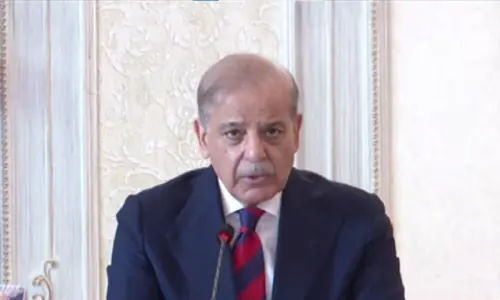
CERTAIN philanthropic practices require a more scientific temperament than ours to flourish. Deceased organ donation in Pakistan needs to become a part of political campaigns as well as the public conversation. In the modern world, medical science and collective dialogue have evolved exponentially, making cadaveric donation a routine remedy. Policymakers must move towards innovative methods for greater awareness about relevant legislation and its implementation to create acceptance, and partner with celebrities from various fields who lead by example by signing up as donors. Prime Minister Shehbaz Sharif’s recent scheme is a heartening step. On International Identity Card Day, the PM launched a national programme to foster organ donation, including a special logo on the identity cards of donors, and called on citizens to “participate in this initiative and become part of a life-saving community”.
So far, despite being a charitable people, Pakistanis have adopted an unreceptive stance towards cadaveric organ donation largely due to the dearth of information about it. The state should start with underscoring the fact that Muslim countries, including Iran and Saudi Arabia, perform these transplantations, which reduces the doubts associated with it. In poor countries such as Pakistan, shunning the procedure provides oxygen to the organ trade black market where corrupt practitioners exploit the poor for affluent patients. But the onus is not on society alone. Even organs obtained from a deceased donor are often unusable by the time they reach a potential recipient. While organs begin to decay when blood supply ceases, some, like corneas, remain functional for longer. Thus, ventilator-supported cardiac function is mandatory for organ preservation. To ensure a fresh lease of life for citizens, lawmakers ought to focus on the timely transport of organs, build more hospitals in remote areas and control financial pilfering. Lastly, once the criteria for donated organs are met, families should be convinced to honour a deceased donor’s commitment.
Published in Dawn, September 20th, 2024