India removes floor price for basmati rice exports to claw back global share


 0
0


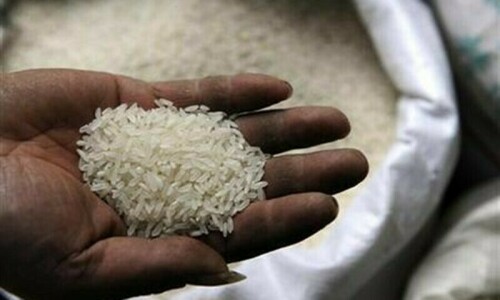
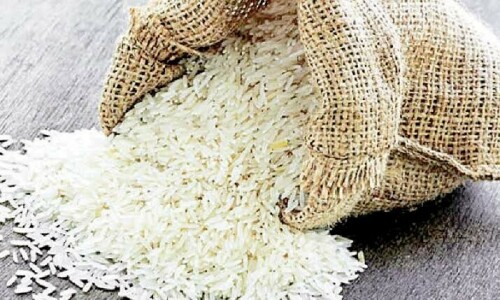
India removed a floor price for basmati rice exports on Friday, according to a government order, to help farmers struggling with debt and higher costs boost overseas sales of the premium grade just weeks ahead of the arrival of the new-season crop.
Last year New Delhi set a floor price, or minimum export price (MEP), of $1,200 a metric ton and later cut the MEP to $950 a ton.
As supplies picked up since then, exporters urged the government to either cut or remove the MEP to ensure that farmers do not get saddled with large stocks when the new crop arrives in a month’s time.
Reuters in July reported that India was likely to cut the floor price for basmati rice exports.
“The decision to do away with the MEP will help India export basmati rice in large quantities, and that is going to ensure good returns to our farmers,” Satish Goel, president of the All-India Rice Exporters’ Association, told Reuters.
Thousands of impoverished and indebted farmers complain about falling incomes and soaring fuel and fertiliser prices.
India and Pakistan, the only growers of basmati, both try to promote the premium grade of rice in a manner similar to French Champagne or Darjeeling tea.
Basmati is not widely consumed in India, and the government does not buy the variety to build state reserves, unlike common grades of rice.
Citing India’s rich biodiversity in basmati rice, Goel said there is a big overseas market for basmati varieties that are priced around $700 a ton, so it was a logical move to remove the MEP altogether.
“Because of today’s decision, we will be able to regain our share in the global market,” Goel said.
New Delhi exports 4 million to 5 million metric tons of basmati — the premium long-grain variety famed for its aroma — to countries such as Iran, Iraq, Yemen, Saudi Arabia, the United Arab Emirates and the United States.
Europe is another big market for the rice.
Separately, India on Friday removed the MEP on onions.
A spate of export curbs on farm goods imposed by Prime Minister Narendra Modi’s government has already fuelled anger among farmers.
After Modi’s Bharatiya Janata Party suffered losses in rural constituencies in this year’s general election, the government is keen to placate farmers ahead of state assembly elections in states such as Haryana and Maharashtra, political commentators say.