‘Exorbitant’ Islamic bank charges come under spotlight


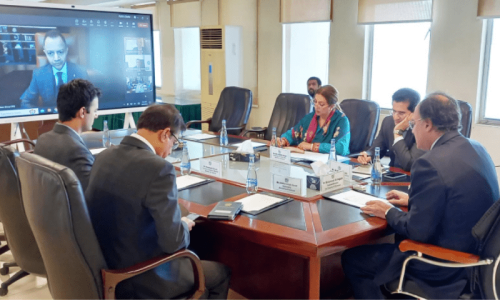
ISLAMABAD: A parliamentary panel on Wednesday raised questions over the alleged exploitation of customers by Islamic banks while clearing two banking sector laws in line with requirements of the International Monetary Fund (IMF) under the $7bn Extended Fund Facility (EFF).
The Senate Standing Committee on Finance and Revenue, which met on Wednesday, called for greater transparency in Islamic financial institutions’ operations and a detailed comparative analysis of profits charged to consumers and the overall profitability of Islamic banking with other countries.
Senator Saleem Mandviwalla presided over the meeting, which directed the State Bank of Pakistan (SBP) to provide a detailed briefing on Islamic banking after Mr Mandviwalla alleged that Islamic banks were taking advantage of consumers by charging interest rates higher than conventional banks.
The central bank was also asked to provide a detailed report, including comparative Islamic banking practices in other countries.
Senate committee clears two IMF-driven banking laws
The committee also directed the central bank to provide a briefing on Islamic banking practices in other countries. Mr Mandiwalla was critical of Islamic banks and said they charge up to 30 per cent interest rates while conventional banks charge around 20pc.
The committee chair said he had received many cases where Islamic banks charged exorbitant interest rates. He said that Islamic rates were significantly higher in most cases than their conventional contemporaries. The committee called for improved transparency and regulatory oversight of the Islamic banks as they grow in outreach and businesses.
SBP Deputy Governor Dr Inayat Hussain told the committee that Islamic banks currently had a banking market share of 25pc while the remaining 75pc belonged to conventional banks.
The meeting was informed that Rs97 billion was lying in around 14 million dormant bank accounts. The SBP suggested enhancing the period of permanently closing dormant accounts from 10 to 15 years, which was approved by the committee.
The committee reviewed and passed the “Deposit Protection Corporation Amendment Bill 2024.” Dr Hussain explained the bill.
Under the new amendment, depositors will receive legal protection for amounts up to Rs500,000, an increase from the previous limit of Rs250,000.
Dr Hussain noted that while microfinance banks were not currently included in the bill, future amendments may also extend protection to them. He also reported that the IMF has advocated for enhanced depositor protection.
Dr Hussain revealed that SBP board members earn Rs75,000 per meeting, while other banks charge fees exceeding Rs50,000. Senator Mohsin Aziz highlighted that such financial incentives contribute to attracting jobs in the banking sector.
The committee also examined “The Banking Companies (Amendment) Bil, 2024,” which includes provisions for Islamic banking. Dr Hussain emphasised that Islamic banking in Pakistan adhered to strict regulations compared to global standards.
He said a unified regulatory framework for commercial and microfinance banks under the IMF programme should be in place by December this year.
Published in Dawn, August 29th, 2024